

ComEd, Solar Landscape and Public Storage Plan 60 Rooftop Community Solar Projects Across Northern Illinois
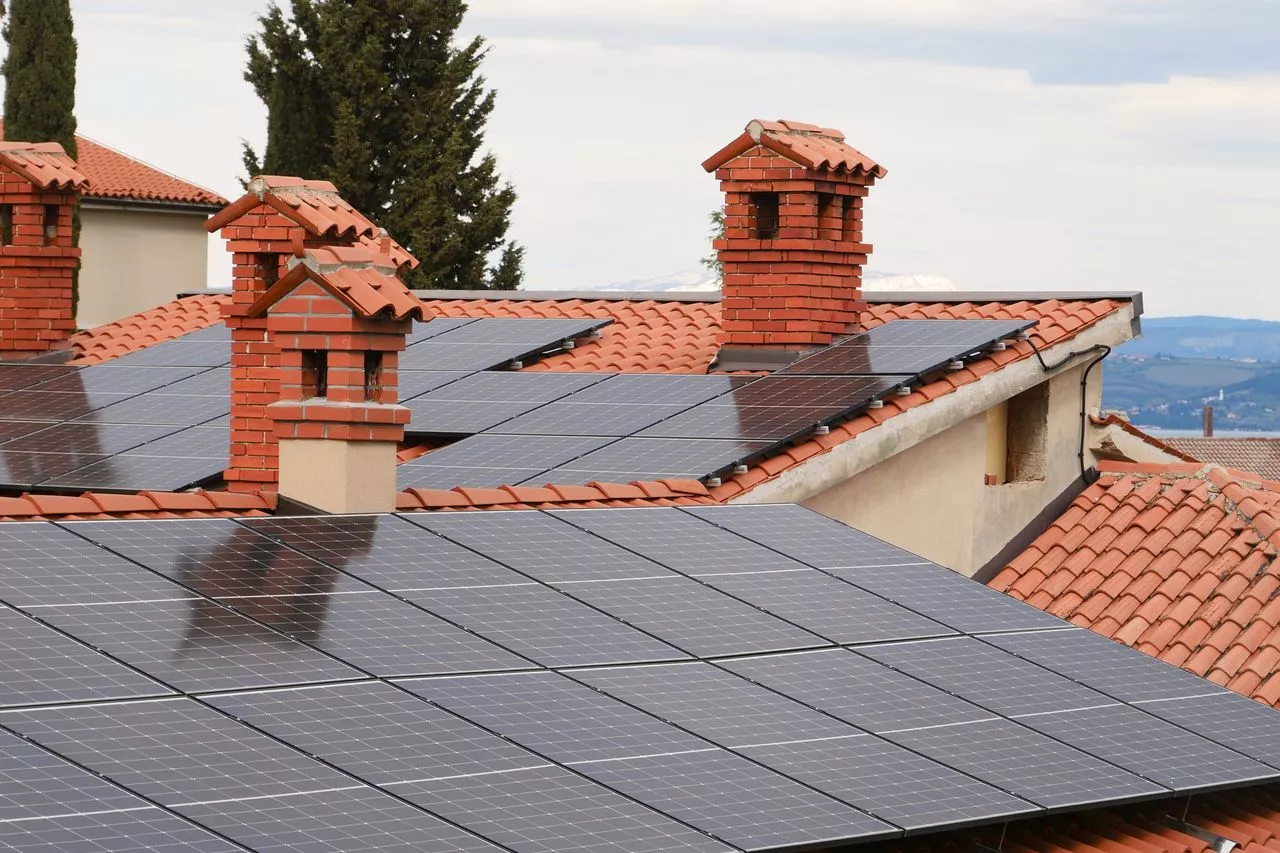
ComEd, Solar Landscape, and Public Storage have announced a major expansion of community solar across northern Illinois, unveiling plans to develop 60 rooftop solar projects over the next two years. Ten of the planned installations are already operational, while the remaining projects will be completed in phases, making the initiative one of the largest commercial rooftop community solar portfolios ever developed in the state.
The partnership is expected to add approximately 44 megawatts (MW) of renewable generation capacity to Illinois’ electric grid. Once fully operational, the projects will supply enough clean electricity to serve an estimated 6,150 households annually while providing meaningful savings on electricity bills for participating customers. The initiative also demonstrates how utilities, renewable energy developers, and commercial property owners can work together to transform existing infrastructure into valuable clean energy assets.
Expanding Community Solar Across Illinois
Community solar has become one of the fastest-growing renewable energy solutions in Illinois, enabling households, nonprofits, and businesses to benefit from solar energy without installing panels on their own properties. Instead, subscribers receive bill credits generated by a shared solar facility located elsewhere in their utility service territory.
ComEd has emerged as one of the nation’s leading utilities supporting community solar development. By the end of 2026, the utility expects to have more than 400 community solar sites operating throughout northern Illinois, significantly expanding customer access to locally generated renewable electricity.
The utility has also connected more than 1.8 gigawatts of distributed energy resources (DERs) to its electric system, helping Illinois become the Midwest’s leading state for distributed renewable generation capacity. These resources include rooftop solar, battery storage, and other distributed technologies that improve grid resilience while reducing dependence on centralized power plants.
According to ComEd President and CEO Gil Quiniones, growing electricity demand is making renewable energy investments increasingly important.
He explained that electricity demand is rising more rapidly than available supply due to continued economic development, electrification, and emerging technologies. Community solar projects provide an opportunity to increase electricity generation while helping customers reduce energy costs and supporting long-term grid reliability.
Delivering Customer Savings
The new solar portfolio is expected to create substantial financial benefits for participating subscribers.
Once all 60 projects become operational, they are projected to generate annual electricity bill savings totaling approximately $750,000. Over the expected lifetime of the projects, cumulative customer savings could exceed $36 million.
Residential customers participating in the program are expected to save an average of approximately $120 annually on electricity expenses through community solar subscription credits.
Unlike traditional rooftop solar systems, community solar allows renters, condominium owners, homeowners with shaded roofs, and other customers who cannot install solar panels to participate in renewable energy generation.
Several community organizations have already subscribed to the projects or are helping residents enroll, expanding access to affordable renewable energy among local households.
Transforming Commercial Rooftops into Energy Infrastructure
The initiative centers on converting underused commercial rooftop space into productive renewable energy assets.
Solar Landscape, recognized as the nation’s largest commercial rooftop solar developer, will oversee development of the installations using rooftops owned by Public Storage. Rather than constructing solar farms on undeveloped land, the partnership makes use of existing commercial buildings to generate electricity while avoiding additional land use.
Across Illinois, approximately five million square feet of Public Storage rooftop space will be utilized for solar panel installations under the agreement.
Solar Landscape CEO Shaun Keegan described commercial rooftops as one of the fastest and most scalable opportunities for expanding electricity generation using infrastructure that already exists.
He noted that partnerships among utilities, property owners, and private developers enable communities to add clean energy quickly while lowering electricity costs and addressing growing power demand.
The project also highlights how commercial real estate can become part of the broader energy transition without changing the primary use of the buildings themselves.
Public Storage Expands Sustainability Strategy
Public Storage views the partnership as another step in expanding its nationwide sustainability initiatives.
The company has already established one of the largest solar programs within the self-storage industry and expects to install solar systems at approximately 1,300 properties nationwide by the end of 2026.
Nathan Vitan, Chief Legal Officer and executive sponsor for sustainability at Public Storage, said the company seeks to maximize the value of its facilities by serving both customers and surrounding communities.
Beyond providing storage services, the rooftops can now produce renewable electricity that supports local communities while contributing to cleaner energy production.
The collaboration with ComEd and Solar Landscape illustrates how commercial property owners can play a significant role in supporting renewable energy development without requiring new land acquisition.
Supporting Illinois’ Growing Electricity Demand
Illinois continues to experience rising electricity consumption driven by multiple long-term trends.
Economic expansion, increasing electrification of transportation and buildings, industrial growth, and expanding digital technologies are placing additional demands on the state’s electric system.
To prepare for these changes, ComEd continues investing in modernization of its electric grid, enabling greater integration of distributed energy resources such as rooftop solar and battery storage.
Grid upgrades improve reliability while allowing more renewable projects to interconnect efficiently and deliver electricity to homes and businesses.
These investments also help diversify electricity generation sources, strengthening system resilience during periods of peak demand.
Strong Support from State Energy Policies
Illinois’ clean energy legislation has played an important role in encouraging projects like this.
Programs established under the Climate and Equitable Jobs Act (CEJA) and the Clean and Renewable Grid Affordability (CRGA) Act provide policy support for expanding renewable generation while promoting equitable access to clean energy opportunities.
The legislation encourages investment in community solar, workforce development, and renewable infrastructure that benefits underserved communities alongside broader economic development.
By combining supportive policy with private-sector investment, Illinois has created one of the country’s fastest-growing community solar markets.
Community Organizations Participate
The community solar portfolio extends beyond residential customers.
Several nonprofit organizations and community groups are participating directly as subscribers or assisting residents in joining the program.
Organizations involved include Better Sister Brother Growth Network, Ecker Center, Elgin Green Groups, Garfield Park Community Council, Institute of Cultural Affairs USA, and Seven Generations Ahead.
Garfield Park Community Council has enrolled its own office in the rooftop community solar program, allowing the organization to reduce operating expenses while redirecting energy savings toward community programs and services.
Representatives from the organization emphasized that expanding access to affordable renewable energy creates long-term financial benefits for neighborhood organizations while supporting environmental goals.
Local Economic Development
The projects are expected to generate economic benefits extending beyond renewable electricity production.
Construction of the 60 rooftop solar installations is projected to support approximately 300 jobs across Illinois.
In addition to construction employment, the initiative strengthens workforce development programs focused on preparing residents for careers in the clean energy sector.
Mayor Krzysztof Wasowicz of Justice described the development as an investment in local economic growth, sustainability, and employment opportunities.
As clean energy projects continue expanding across Illinois, local governments increasingly view renewable infrastructure as both an environmental initiative and an economic development strategy.
Workforce Training Creates Career Opportunities
Workforce development represents a major component of the overall initiative.
Organizations including STEP-UP Solar, the Chicago Urban League, the Hispanic American Construction Industry Association (HACIA), YouthBuild Lake County, and other Illinois YouthBuild programs are preparing workers for careers in solar energy installation and construction.
Since 2024, STEP-UP Solar and its workforce partners have trained 139 individuals for employment within the solar industry.
The International Brotherhood of Electrical Workers (IBEW) will also play a significant role in providing skilled labor needed to complete the rooftop installations and support Illinois’ expanding renewable energy market.
YouthBuild Lake County Executive Director Tameka Wilson emphasized that combining renewable energy development with workforce training creates broader community benefits.
By linking clean energy investment with career preparation, programs like Community-Driven Community Solar help ensure economic opportunities reach communities that have historically faced barriers to entering the renewable energy workforce.
A Model for Future Renewable Energy Development
The collaboration among ComEd, Solar Landscape, and Public Storage demonstrates how existing commercial infrastructure can become part of the clean energy transition.
Instead of relying solely on large utility-scale solar farms, distributed rooftop projects create new generating capacity close to where electricity is consumed, reducing transmission requirements while improving local grid resilience.
As electricity demand continues increasing, partnerships that combine utilities, commercial property owners, renewable energy developers, workforce organizations, and community groups may become increasingly important for expanding renewable generation quickly and cost-effectively.
With 60 rooftop community solar projects underway, more than 44 MW of new clean energy capacity planned, over 6,000 households expected to benefit, and millions of dollars in projected customer savings, the initiative represents another significant milestone in Illinois’ ongoing transition toward a more resilient, affordable, and sustainable energy future.
Source Link: https://www.businesswire.com/