

TurningPoint Energy Energizes Third of Six Delaware Community Solar Projects
TurningPoint Energy (TPE) celebrated the ribbon-cutting of a new 2.1-megawatt alternating current (MWac) community solar project near Sandhill Fields in Georgetown, Delaware. The facility represents the third project to come online as part of TPE and Nautilus Solar Energy’s previously announced 30-megawatt direct current (MWdc) community solar portfolio in the First State.
The Georgetown project expands access to locally generated renewable electricity while supporting Delaware’s broader efforts to increase renewable energy generation and provide more residents with opportunities to participate in community solar. The facility is designed to serve residential subscribers across the area, including households that may otherwise face barriers to installing solar directly on their properties.
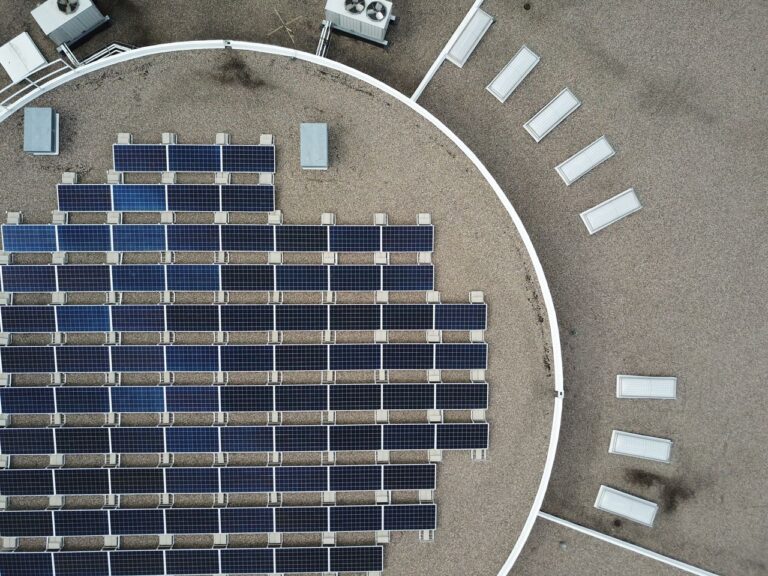
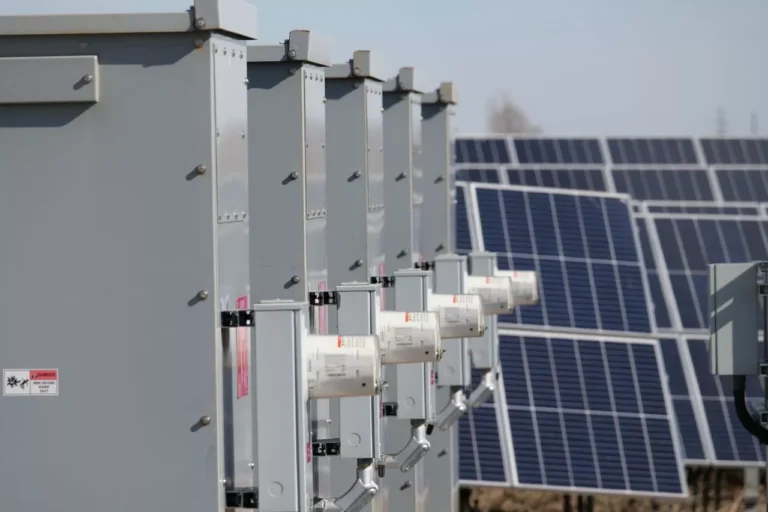
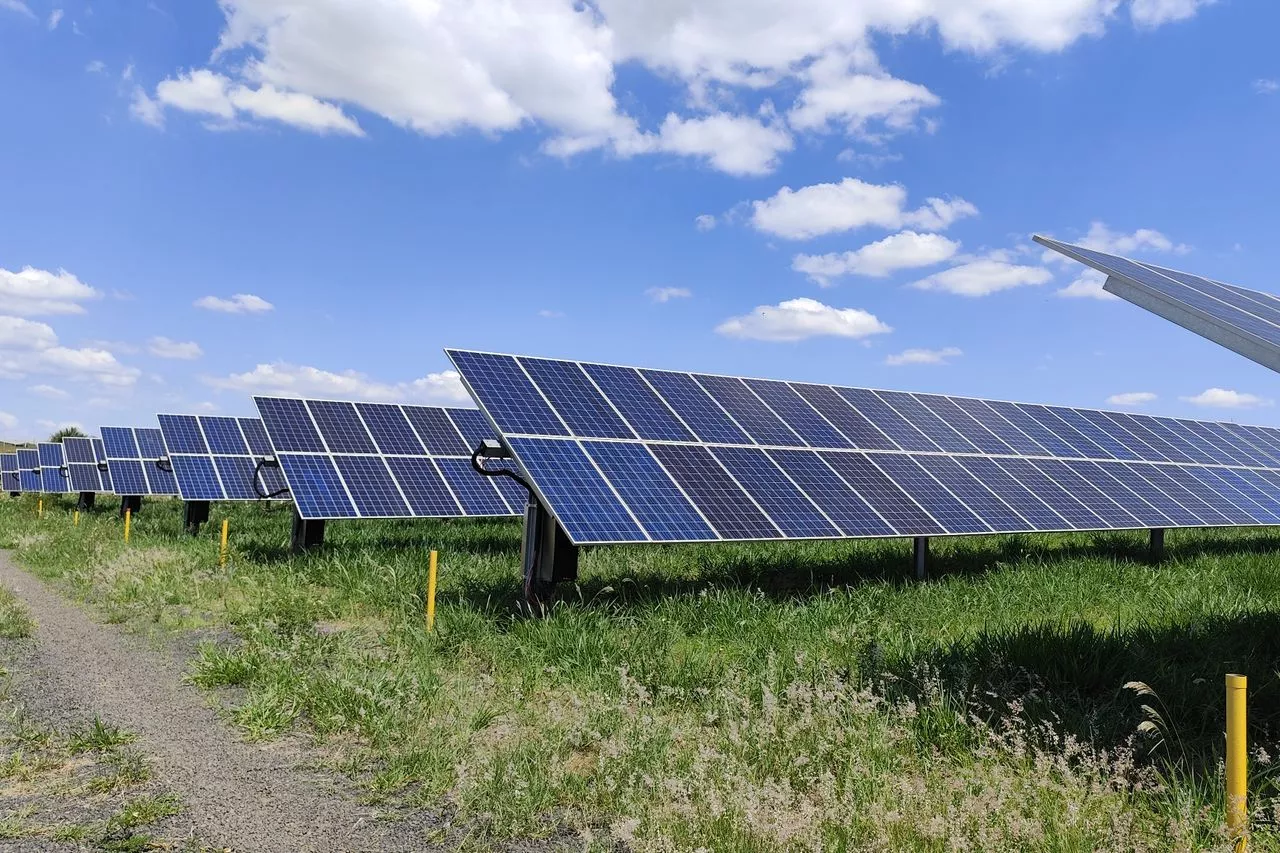
The new facility features more than 5,600 solar panels installed across approximately 17 fenced acres. Once fully operational, it is expected to generate approximately 5.6 million kilowatt-hours (kWh) of electricity each year for the Delmarva Power grid. The project is fully subscribed and serves more than 560 residential customers.
Importantly, the project includes participation from 121 low-income households through Delaware’s low-income community solar program. By providing access to shared solar generation, the project allows participating customers to benefit from renewable electricity without requiring individual rooftop solar installations.
The Georgetown facility also contributes to Delaware’s renewable energy objectives. The state has established a goal of reaching 40 percent renewable energy by 2035, and additional community-scale solar generation can contribute to expanding the amount of renewable electricity available within the state.
The project’s expected annual generation also represents a substantial environmental benefit. According to the project partners, the approximately 5.6 million kWh of electricity expected to be produced each year is equivalent to eliminating the greenhouse gas emissions associated with roughly 800 gasoline-powered vehicles annually.
Construction of the Georgetown project supported activity among local engineering, electrical, civil construction, and other skilled-trade professionals. The development therefore provided benefits beyond electricity generation by contributing to local economic activity during the construction and buildout process.
The Georgetown facility is the third project completed through the growing partnership between TPE and Nautilus Solar Energy. TPE developed the project, while Nautilus owns and operates the facility. The two companies are working together on a six-project portfolio totaling 30 MWdc, making the initiative one of the largest community solar investments in Delaware.
The partnership’s first project in Georgetown became operational in June 2025. The second project, located in Dover, came online in July 2026. With the latest Georgetown facility now energized, three projects in the six-project portfolio have been completed, moving the companies closer to the full deployment of the planned portfolio.
When all six projects are fully operational, the portfolio is expected to deliver nearly $35 million in energy savings to Delaware residents and businesses. The anticipated savings highlight the economic component of community solar, in addition to its role in increasing renewable generation and diversifying the state’s electricity supply.
“Delaware continues to face growing demand for reliable, locally generated energy,” said Salar Naini, President of TPE. “We’re proud to have developed the Georgetown project as part of a broader portfolio that expands community solar opportunities, strengthens the state’s energy infrastructure, and supports Delaware’s long-term renewable energy goals.”
State leaders also highlighted the project’s potential benefits for local residents. Senator Stephanie Hansen said Delaware’s efforts to maintain reliable and diverse energy sources require investments in generation capacity and emphasized the role of community solar projects in that effort.
“This project will serve hundreds of our neighbors in Georgetown and its surrounding communities, including those with low- or limited-incomes,” Hansen said. She added that projects of this type can help address increasing energy demand, potentially lower energy costs for Delaware residents, and provide additional clean electricity to the state’s grid.
The TPE and Nautilus partnership also includes a community investment component. Across the six-project portfolio, the companies have committed a combined $240,000 to Delaware nonprofit organizations working in areas including housing stability, food access, youth development, and workforce readiness.
Among the organizations receiving support are Boys & Girls Clubs of Delaware and Springboard Delaware. These contributions are intended to extend the impact of the portfolio beyond electricity production by supporting community-focused initiatives across the state.
The continued development of community solar is also providing Delaware residents with another way to participate in the clean-energy transition. Rather than requiring customers to purchase and install solar equipment at their homes, community solar allows multiple subscribers to receive benefits associated with a shared generation facility.
For Delaware, the expansion of these projects comes as electricity demand continues to create a need for additional generation resources and infrastructure. Locally developed solar facilities can add renewable generation to the grid while providing opportunities for households and businesses to participate in solar programs.
As TPE and Nautilus advance the remaining projects in their six-project portfolio, the companies expect the overall initiative to broaden access to community solar, contribute to local economic activity, and support Delaware’s renewable energy objectives.
With three projects now online, the Georgetown facility represents another step toward completing the 30 MWdc portfolio. Once the full portfolio is operational, the projects are expected to collectively generate renewable electricity for Delaware customers while delivering projected energy savings and supporting community organizations.
The latest project therefore combines several elements of the partners’ broader strategy: expanding solar generation, increasing access to community solar, supporting low-income participation, creating local construction opportunities, and investing in Delaware communities. Together, the six-project portfolio is positioned to play a role in the state’s ongoing efforts to expand renewable electricity and strengthen its locally generated energy resources.
Source Link: https://www.businesswire.com/