

ComEd Energizes New Transmission Substations to Support 550 MW of Wind Energy in Illinois
ComEd has announced the successful energization of two new 345-kilovolt (kV) transmission substations, marking a significant milestone in Illinois’ transition toward a cleaner and more resilient energy future. The newly commissioned facilities, located in LaSalle and Woodford counties, will enable the interconnection of up to 550 megawatts (MW) of utility-scale wind generation to the regional electricity grid, supporting the state’s renewable energy ambitions and helping address growing electricity demand across the Midwest.
The project comes at a critical time for the energy sector. Electricity consumption across the United States is rising rapidly due to factors such as population growth, industrial expansion, electrification of transportation, and increasing demand from energy-intensive technologies including artificial intelligence and data centers. In Illinois and throughout the broader PJM Interconnection region, these trends have contributed to a widening imbalance between electricity supply and demand, placing upward pressure on wholesale power prices and customer energy costs.
PJM Interconnection, which manages the electric transmission system serving approximately 65 million people across 13 states and the District of Columbia, has experienced increasing capacity challenges in recent years. The growing need for reliable electricity generation has highlighted the importance of expanding transmission infrastructure and accelerating the development of new energy resources.
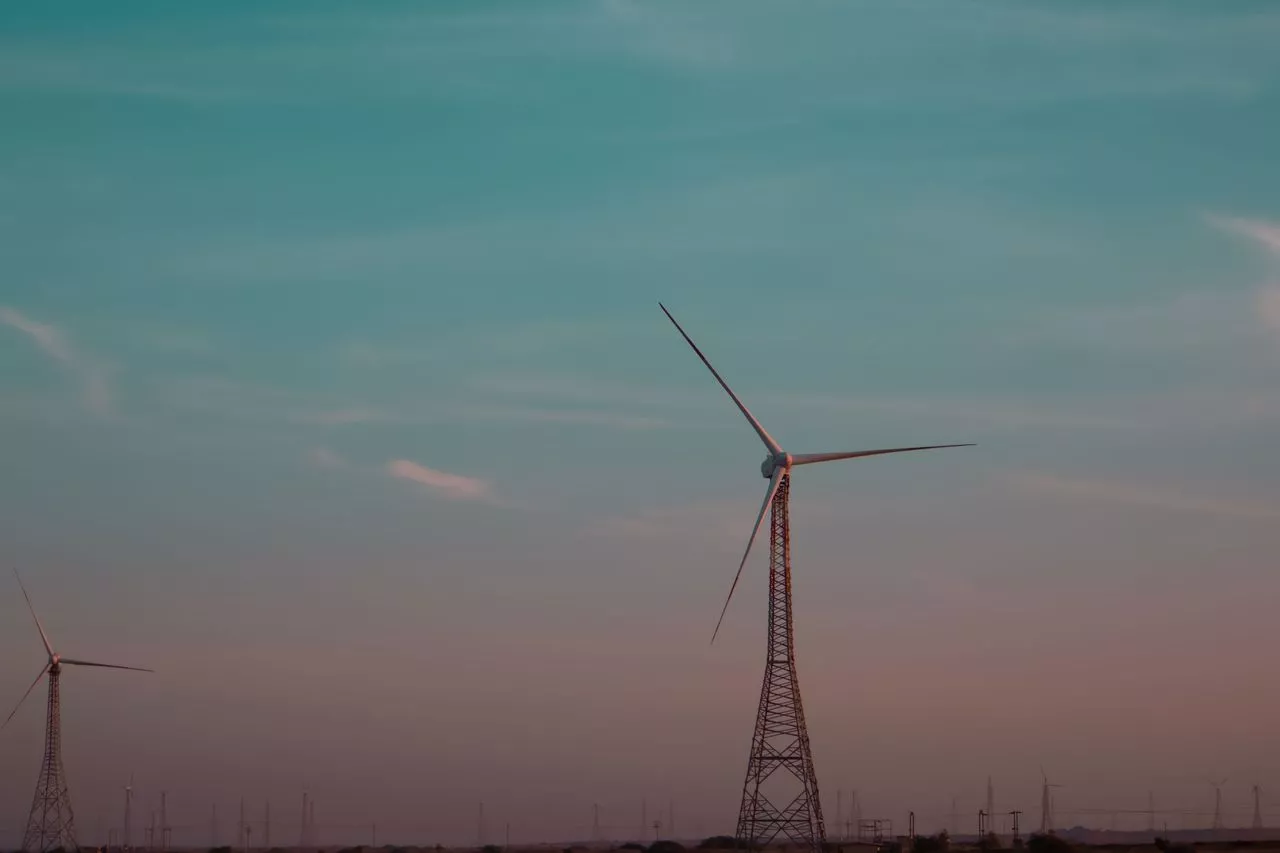
ComEd’s new substations are designed to address these challenges by creating the infrastructure necessary to bring additional renewable generation online. The facilities will support the future commercial operation of two major wind projects scheduled for completion over the next several years: the 150-MW Osagrove Flats Wind Farm and the 400-MW Panther Grove Wind Farm. The Osagrove Flats project is expected to enter service in late 2026, while Panther Grove is targeted for commercial operation in early 2027.
Together, these projects will add a substantial amount of clean electricity to the regional grid. The combined 550 MW of wind generation capacity is estimated to produce enough electricity to power approximately 264,000 homes annually, providing a meaningful contribution toward Illinois’ long-term clean energy objectives.
According to ComEd leadership, the new substations represent an important investment in modernizing the state’s energy infrastructure while enabling economic growth and improving affordability for customers.
ComEd President and Chief Executive Officer Gil Quiniones emphasized that a reliable and modern electric grid is essential to supporting Illinois’ transition to cleaner energy sources and meeting the region’s future power requirements.
The newly energized facilities also strengthen the overall reliability and resilience of ComEd’s transmission network. By improving the capability of the system to integrate large-scale renewable resources, the substations will help deliver lower-cost renewable electricity into the PJM market while enhancing system flexibility and operational efficiency.
Construction activities for the projects began in 2023 and were completed more than four months ahead of schedule, underscoring the company’s ability to execute large-scale infrastructure initiatives efficiently. The projects required an extensive amount of engineering and construction work, including more than 113,000 labor hours performed by ComEd employees and contractors.
As part of the development effort, crews installed 16 new transmission towers and deployed more than 58 miles of fiber infrastructure to support communication and grid management functions. Nearly half a mile of new electrical conductor was also added to strengthen transmission capability and facilitate future renewable energy interconnections.
ComEd indicated that additional work is planned to further improve reliability and expand the grid’s ability to accommodate future energy projects. Continued investment in transmission infrastructure is expected to play a crucial role as Illinois seeks to meet rising electricity demand while reducing carbon emissions and increasing reliance on renewable generation.
The utility has already made substantial progress in integrating renewable resources into its system. To date, more than 1.7 gigawatts (GW) of Distributed Energy Resources (DERs) have been connected to ComEd’s network, making Illinois the leading Midwestern state in terms of DER capacity.
Distributed Energy Resources include technologies such as rooftop solar installations, battery storage systems, community solar projects, and other smaller-scale generation assets that are connected directly to the distribution grid. These resources provide additional flexibility, improve system resilience, and support decarbonization efforts by diversifying the sources of electricity generation.
To accommodate growing levels of renewable generation, ComEd is pursuing a comprehensive strategy that combines new infrastructure investments with advanced grid technologies. One of the key components of this strategy is the deployment of Distributed Energy Resource Management Systems (DERMS).
DERMS represents an advanced technology platform that integrates software applications, intelligent control systems, sensors, Internet of Things (IoT) devices, and smart inverters to monitor and manage distributed energy assets across the electric network.
Through real-time monitoring and dynamic control capabilities, DERMS enables utilities to optimize grid performance, increase hosting capacity, and facilitate the faster integration of renewable resources without compromising system reliability. The technology allows operators to better manage changing grid conditions, improve visibility into distributed generation assets, and make more efficient use of existing infrastructure.
By leveraging DERMS and other smart-grid technologies, ComEd aims to accelerate the deployment of renewable energy projects throughout Illinois while minimizing the need for costly system upgrades. These digital capabilities are expected to become increasingly important as renewable penetration continues to rise and electricity demand grows.
The energization of the new substations also aligns with broader state and regional clean energy objectives. Illinois has established ambitious targets for expanding renewable generation and reducing greenhouse gas emissions, with policies aimed at increasing investment in wind, solar, energy storage, and transmission infrastructure.
Large-scale wind projects such as Osagrove Flats and Panther Grove are expected to contribute significantly to these goals while generating economic benefits for local communities. Renewable energy developments often create construction employment opportunities, generate tax revenues, and stimulate additional investment in rural areas.
As utilities across the country confront the dual challenges of rising electricity demand and the transition to cleaner energy sources, transmission infrastructure projects like these are becoming increasingly important. Expanding grid capacity and enabling new renewable generation will be essential to maintaining reliability, controlling costs, and ensuring long-term energy security.
With the successful completion of these two substations, ComEd has taken another important step toward building a stronger, smarter, and more sustainable electric grid. By enabling up to 550 MW of new wind generation and supporting future renewable development, the company is positioning Illinois to meet its growing energy needs while advancing its clean energy transformation.
The projects demonstrate how strategic investments in transmission infrastructure can create opportunities for renewable growth, improve system reliability, and deliver long-term benefits to customers and communities throughout the region.
Source Link: https://www.businesswire.com/