

SDG&E Advances Grid Modernization as Rooftop Solar Adoption Surpasses 350,000 Residential Customers
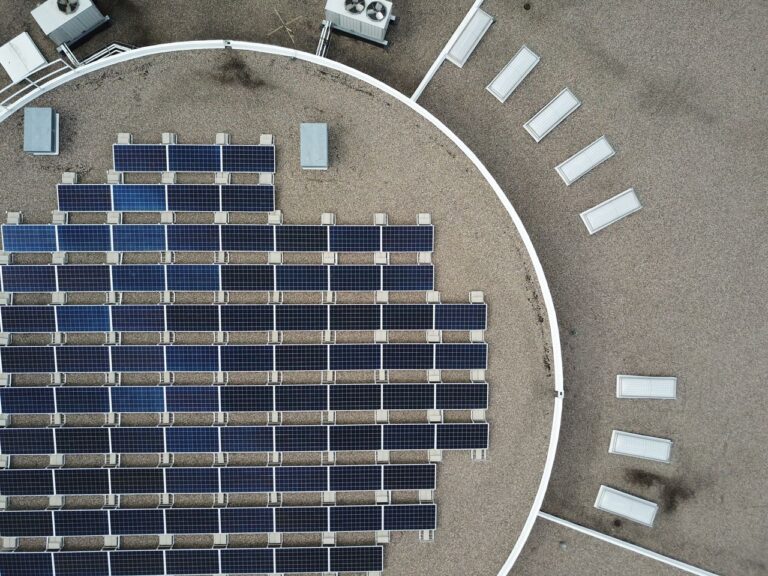
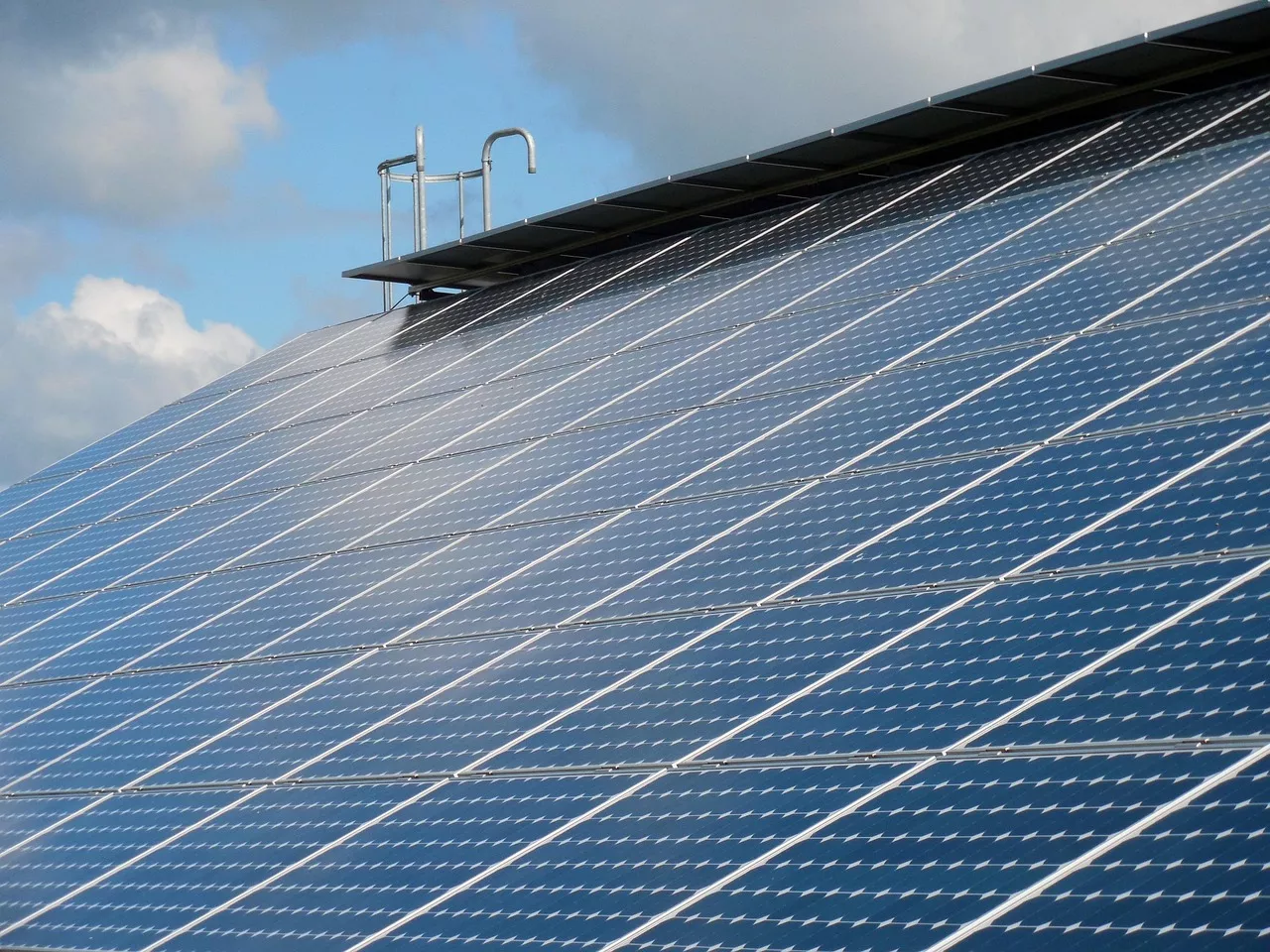
San Diego Gas & Electric (SDG&E) has reached a significant milestone in its clean energy journey, with more than 350,000 residential customers now generating electricity through rooftop solar systems. The achievement means that over one in every four residential customers served by the utility is producing renewable energy at home, placing SDG&E among the leading electric utilities in the United States for rooftop solar adoption.
The milestone reflects a growing shift toward distributed energy resources as homeowners increasingly invest in renewable technologies to reduce electricity costs, improve energy independence, and contribute to environmental sustainability. Supported by Southern California’s abundant sunshine, rooftop solar installations have become an important part of the region’s evolving energy landscape, transforming the traditional relationship between utilities and customers.
Rather than serving solely as electricity consumers, hundreds of thousands of customers are now active participants in energy generation. This transition is helping reshape the regional power system into a more decentralized, flexible, and resilient network capable of accommodating locally generated renewable electricity while continuing to provide dependable service.
Scott Crider, president of SDG&E, emphasized that customer participation is driving the transformation of the energy system.
According to Crider, the utility’s responsibility extends beyond delivering electricity to ensuring that the grid evolves alongside changing customer needs. As increasing numbers of customers install rooftop solar and other distributed energy technologies, SDG&E continues investing in grid modernization that safely integrates customer-generated electricity while maintaining the high reliability standards customers expect.
The company views the continued growth of solar adoption and improvements in interconnection processes as essential building blocks for creating the next generation of California’s electric grid.
Rooftop Solar Reshaping the Electricity Network
The rapid expansion of rooftop solar installations throughout San Diego County and South Orange County represents far more than an increase in renewable electricity production. It marks a fundamental shift in how electricity is generated, distributed, and managed across the region.
Historically, electric utilities operated centralized systems where power flowed in a single direction—from large generating stations through transmission and distribution infrastructure to homes and businesses. The increasing adoption of distributed energy resources is fundamentally changing that model.
Today, many homes equipped with rooftop solar panels generate electricity during daylight hours, often producing more energy than they immediately consume. Excess electricity can then flow back into the distribution system, creating a two-way exchange of power between customers and the utility.
This bidirectional energy flow requires a smarter, more responsive electric grid capable of balancing both electricity demand and distributed generation in real time. Utilities must continuously monitor voltage levels, maintain system stability, and ensure safe operations as increasing numbers of customer-owned energy systems connect to the network.
For SDG&E, supporting this transition involves investing in advanced technologies, modern infrastructure, and improved operational processes that enable renewable energy integration without compromising system reliability.
Improving Solar Interconnection Efficiency
One of the key factors supporting continued rooftop solar growth is the ability to connect new systems to the electric grid quickly and efficiently.
SDG&E has made significant improvements to its solar interconnection process by streamlining internal procedures and enhancing coordination across multiple operational teams. These efforts have reduced administrative complexity while accelerating approval timelines for residential solar customers.
As a result of these process enhancements, the utility consistently exceeds California’s state performance benchmarks for solar interconnections.
On average, customers are now able to complete the interconnection process in approximately three days, representing a substantial improvement in customer experience. Faster approvals reduce project delays, provide greater certainty for homeowners and solar installers, and allow newly installed systems to begin generating electricity sooner.
Efficient interconnection processes also help utilities integrate distributed generation more effectively by ensuring that new systems meet technical and safety requirements before becoming operational.
The ability to process growing numbers of interconnection requests efficiently becomes increasingly important as rooftop solar adoption continues expanding across SDG&E’s service territory.
Building the Grid of the Future
As customer-owned renewable energy systems become more common, utilities are adapting their infrastructure to support increasingly complex energy flows.
The modern electric grid is evolving into a highly interconnected network that combines centralized power plants with distributed resources such as rooftop solar, battery storage systems, electric vehicles, and smart appliances.
This transformation requires advanced grid management technologies capable of coordinating thousands of decentralized energy assets while maintaining reliability during changing weather conditions and fluctuating electricity demand.
Grid modernization initiatives include deploying advanced sensors, automated control systems, improved communications technologies, and sophisticated software platforms that provide operators with enhanced visibility into system conditions.
These investments help utilities respond more quickly to changing energy production patterns while optimizing power flows across the distribution network.
SDG&E’s efforts to modernize its grid are designed to ensure that increasing levels of distributed renewable generation can be safely accommodated without negatively affecting power quality or system stability.
Reliability Remains a Core Priority
While rooftop solar significantly contributes to renewable energy production, customers continue relying on the electric grid for dependable service throughout the day and night.
Solar panels generate the highest levels of electricity during sunny daytime hours, but production naturally declines during cloudy weather, evenings, and overnight periods. During these times, customers remain connected to the broader electric system to meet their energy needs.
This ongoing reliance highlights the continuing importance of maintaining a reliable electric grid capable of delivering electricity whenever customer-owned generation is unavailable or insufficient.
SDG&E has established a strong reputation for system reliability, earning recognition as the most reliable electric utility in the Western United States by PA Consulting for 20 consecutive years.
Maintaining this level of performance becomes increasingly complex as distributed energy resources continue expanding across the network.
The utility must carefully balance renewable generation, customer demand, weather conditions, and overall system operations while ensuring uninterrupted service throughout its service territory.
Growing Role of Battery Energy Storage
In addition to rooftop solar, increasing numbers of customers are installing battery energy storage systems alongside their photovoltaic installations.
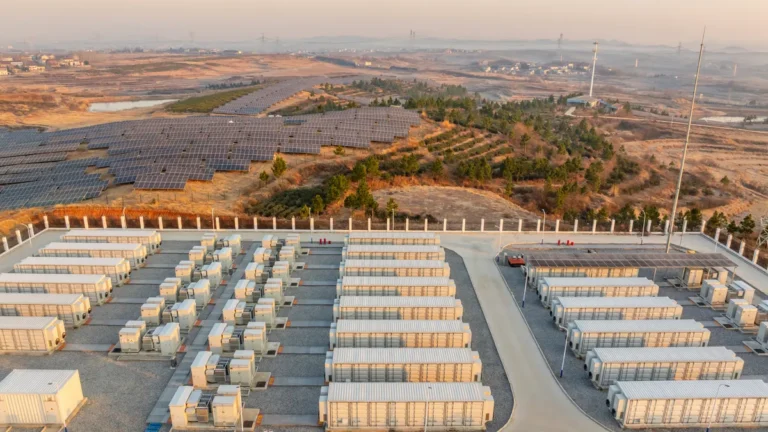
Residential battery systems allow homeowners to capture excess solar electricity generated during the day and store it for use during evening hours or periods of reduced solar production.
This capability enables customers to maximize their use of self-generated renewable electricity while reducing dependence on grid-supplied power during higher-demand periods.
Battery storage also provides additional resilience by supplying backup electricity during certain power interruptions, depending on system configuration.
From a broader grid perspective, widespread adoption of distributed battery storage offers important operational benefits.
When coordinated effectively, customer-owned batteries can help reduce peak electricity demand, improve grid flexibility, smooth fluctuations in renewable generation, and support overall system reliability.
As battery technology continues becoming more affordable and widely adopted, utilities increasingly view distributed storage as an important component of future energy systems.
Customer Participation Driving Energy Transition
The continued growth of rooftop solar across the SDG&E service area demonstrates the important role customers play in advancing California’s clean energy transition.
Rather than relying solely on utility-scale renewable projects, the region is benefiting from widespread participation by individual homeowners who are investing in clean energy technologies.
Each new rooftop solar installation contributes additional renewable generation capacity while collectively creating a more diversified and resilient energy system.
Customer participation also supports California’s broader climate and decarbonization objectives by increasing renewable electricity production and reducing reliance on fossil fuel-based generation.
As more customers embrace distributed energy technologies, utilities are increasingly focused on developing systems that encourage active customer participation while maintaining safe and reliable grid operations.
Continuing Support for Clean Energy Adoption
Looking ahead, SDG&E plans to continue supporting customers interested in renewable energy through ongoing investments in grid modernization, streamlined interconnection processes, and advanced infrastructure capable of integrating growing numbers of distributed energy resources.
The utility recognizes that customer-owned solar, battery storage, and other emerging technologies will play an increasingly important role in the future energy landscape.
By maintaining reliable service while enabling faster solar connections and supporting two-way energy flows, SDG&E is helping build an electric grid designed to meet evolving customer expectations and California’s long-term clean energy goals.
With more than 350,000 residential rooftop solar systems already connected and additional installations expected in the years ahead, the company continues positioning itself to support one of the nation’s most advanced distributed energy markets, demonstrating how utilities and customers can work together to create a cleaner, smarter, and more resilient electricity system.
Source Link: https://www.sempra.com/