

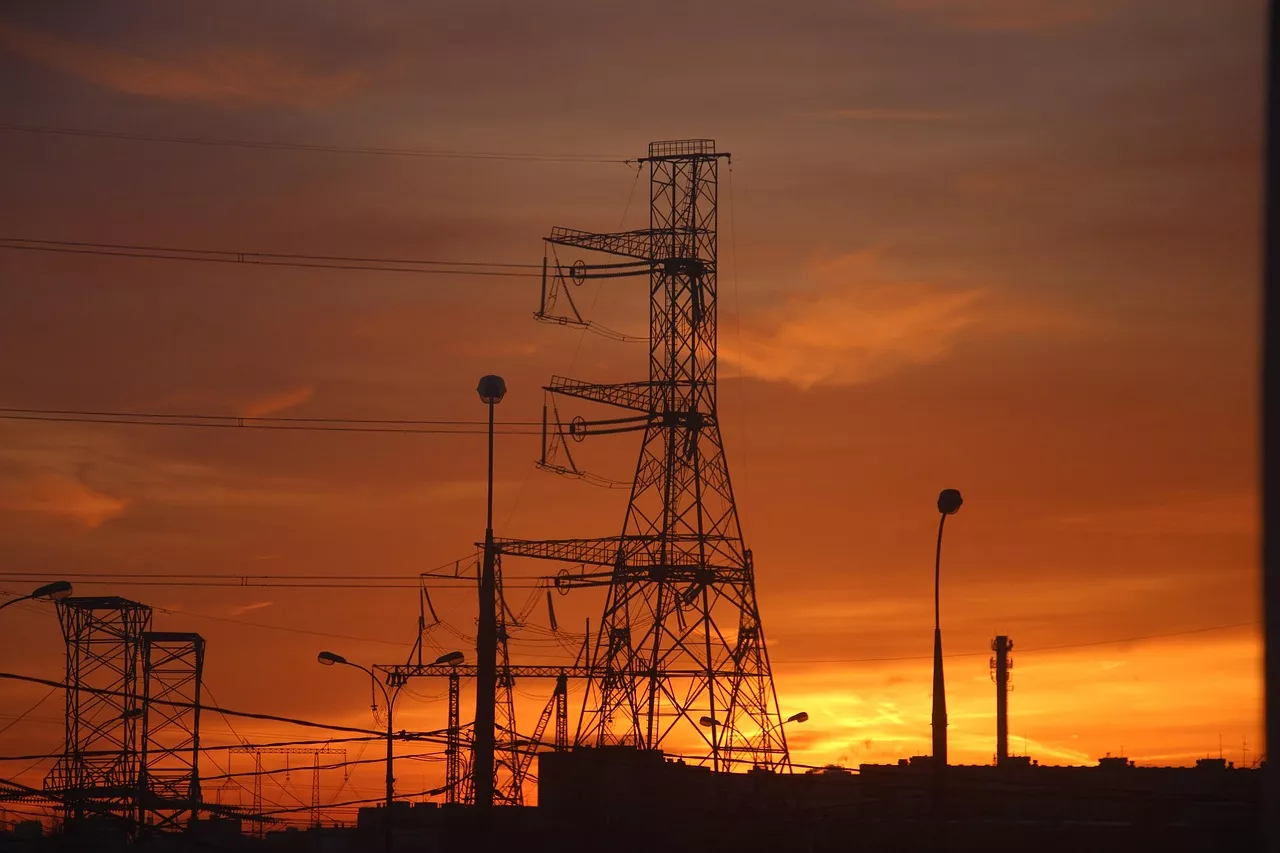
SDG&E Strengthens Grid Resilience and Customer Support Ahead of Hot Summer 2026
San Diego Gas & Electric (SDG&E) is entering the summer of 2026 with a stronger, more resilient electric grid and a comprehensive strategy designed to maintain reliability during periods of elevated energy demand. After years of infrastructure investments, system modernization efforts, and coordinated operational planning, the utility says it is well positioned to meet customer needs throughout what is expected to be a hotter-than-average summer season
As temperatures rise across Southern California, energy consumption typically increases due to greater reliance on air conditioning and cooling systems. Anticipating these conditions, SDG&E has taken significant steps to reinforce its electric system while also introducing programs and bill-relief measures aimed at helping customers manage higher energy use and costs.
According to company officials, preparedness is not a seasonal effort but an ongoing commitment that drives long-term investments in reliability, safety, and operational excellence.
“Preparation is a year-round discipline and a core part of how we serve our customers,” said Kevin Geraghty, SDG&E’s Chief Operating and Safety Officer. He emphasized that years of planning and investment have strengthened the utility’s grid infrastructure, improved resilience, and enhanced operational readiness to ensure dependable service during periods of increased demand.
Hotter Weather Expected Across the Region
SDG&E meteorologists are forecasting above-average temperatures across much of the service territory this summer, aligning with broader projections from the National Oceanic and Atmospheric Administration (NOAA). Extended periods of heat can significantly increase electricity consumption as homes and businesses rely more heavily on cooling equipment.
The utility also noted that evolving climate patterns could contribute to more challenging operating conditions. A possible transition toward El Niño conditions, combined with increasingly dry weather in some areas, underscores the importance of maintaining a robust and reliable power system capable of meeting elevated demand.
Historically, the greatest stress on the electric grid occurs during prolonged heat waves, especially in the late afternoon and evening hours when air conditioning use remains high while solar energy production begins to decline. To prepare for these conditions, SDG&E has implemented both infrastructure enhancements and operational measures aimed at ensuring adequate energy availability.
Helping Customers Address Summer Energy Costs
While hot weather drives higher electricity use, it can also lead to increased monthly energy expenses for households and businesses. Recognizing affordability as a major concern, SDG&E has introduced several measures intended to reduce customer bills and provide additional flexibility in managing energy consumption.
One of the most notable changes includes two electric rate reductions scheduled for June and August. For customers who purchase electricity from alternative energy providers while relying on SDG&E for transmission and delivery services, these adjustments are expected to lower monthly bills by approximately seven dollars.
In addition, customers will receive support through California’s Climate Credit program. During August and September, eligible customers will see a credit of $49.36 applied to each monthly electricity bill. Combined, these credits are expected to provide nearly $100 in savings during the height of the summer season.
The utility has also expanded access to lower-cost electricity through modifications to eligible Time-of-Use pricing plans. Previously limited to specific periods of the year, super off-peak pricing is now available year-round.
Under the updated structure, customers can access lower electricity rates on weekdays between 10 a.m. and 2 p.m. as well as overnight from midnight until 6 a.m. These expanded hours create additional opportunities for households to shift energy-intensive activities, such as charging electric vehicles, running dishwashers, doing laundry, or operating other large appliances, to lower-cost periods.
Together, these initiatives are designed to help customers manage summer energy costs while supporting efficient use of the electric system.
Major Investments Increase Grid Capacity
A key component of SDG&E’s summer readiness strategy has been the continued expansion and modernization of its electric infrastructure. Since 2025, the company has implemented projects that collectively add more than 890 megawatts of grid capacity, helping ensure sufficient energy resources are available during periods of high demand.
One of the most significant developments has been the expansion of battery energy storage resources. Energy storage systems play an increasingly important role in balancing electricity supply and demand, particularly during evening hours when solar generation decreases.
Among the projects completed is the addition of approximately 230 megawatts of battery storage capacity at the Westside Canal facility. The company also plans to bring an additional 30 megawatts of battery storage online in Fallbrook later this month.
Battery storage systems enable excess renewable energy generated during daylight hours to be stored and dispatched when demand rises later in the day. This capability improves grid flexibility and enhances reliability during critical periods.
Strengthening Community Resilience Through Microgrids
SDG&E has also continued investing in community-focused resilience projects, including upgrades to the Cameron Corners Microgrid located in Campo.
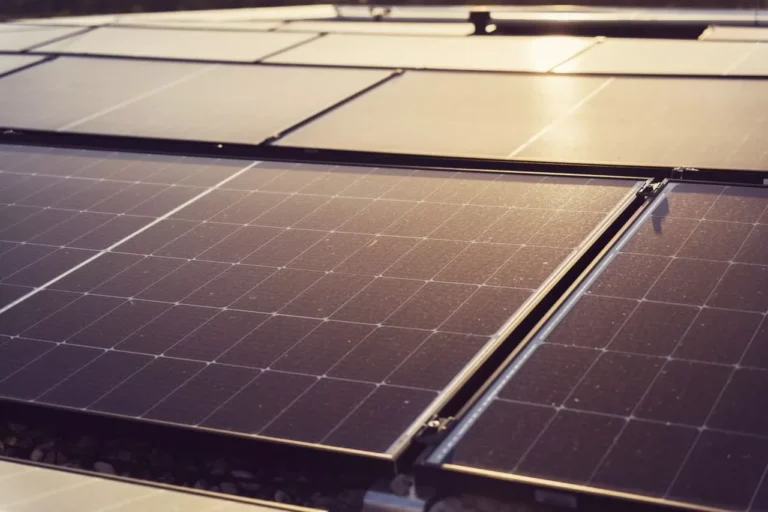
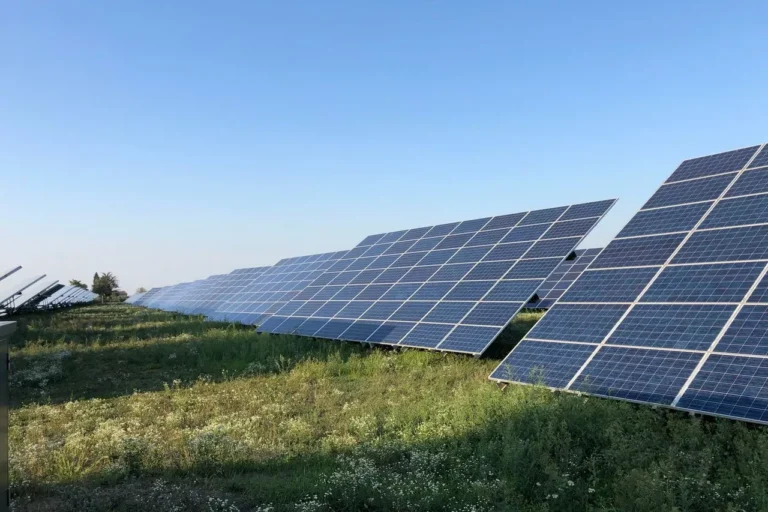
The project includes a 500-kilowatt battery system and a new 875-kilowatt solar array designed to support rural and remote communities that may be more vulnerable to outages and extreme weather conditions.
The microgrid can provide enough electricity to power approximately 400 homes for up to eight hours. The accompanying solar array helps recharge the battery system, extending the facility’s ability to provide energy during emergencies and enhancing local resilience.
Microgrids are increasingly viewed as important tools for improving reliability in isolated areas because they can operate independently from the broader electric grid when necessary.
Upgrading Critical Infrastructure
Beyond battery storage and microgrid development, SDG&E has completed extensive upgrades across its transmission and distribution network.
The company reports that improvements have been made at 15 substations throughout its service territory. These upgrades are designed to increase reliability, improve system performance, and support growing electricity demand.
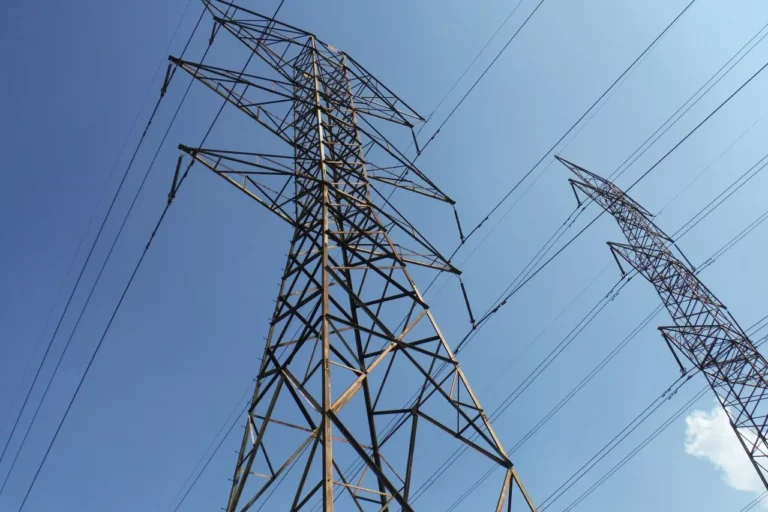
Substations serve as critical components of the electric grid, helping regulate voltage and distribute power efficiently to homes and businesses. Modernization efforts at these facilities strengthen the grid’s ability to withstand periods of peak demand while maintaining consistent service quality.
In addition to physical infrastructure improvements, SDG&E has enhanced its operational capabilities through advanced monitoring technologies and grid management tools. These systems provide operators with real-time visibility into network conditions, enabling faster decision-making and more effective responses to changing demand patterns.
Industry-Leading Reliability Performance
The utility’s ongoing investments have contributed to a strong reliability record. SDG&E notes that it has been recognized by PA Consulting as the most reliable utility in the Western United States for 20 consecutive years.
Maintaining that level of performance requires continuous investment in infrastructure, technology, and operational excellence. The company’s strategy combines traditional grid upgrades with emerging technologies such as energy storage, distributed energy resources, and advanced analytics.
As California’s energy landscape continues to evolve, utilities are increasingly required to balance reliability, sustainability, and affordability. SDG&E’s recent projects reflect efforts to address all three objectives simultaneously.
Regional Coordination Supports Grid Stability
Reliable service during the summer also depends on collaboration across the broader electric system. SDG&E works closely with the California Independent System Operator (CAISO) and other regional partners to monitor grid conditions and coordinate resources.
CAISO has expanded coordination efforts throughout the western United States, allowing participating utilities and grid operators to share energy resources more efficiently. This regional approach improves reliability by enabling electricity to flow where it is needed most during periods of high demand.
Such cooperation helps strengthen grid resilience and provides additional assurance that adequate resources will be available during heat waves and other challenging conditions.
Customers Play an Important Role
While infrastructure investments and operational planning are essential, SDG&E emphasizes that customers also play a critical role in supporting grid reliability.
During periods of extreme heat, small changes in energy usage patterns can help reduce stress on the system and lower electricity costs. The utility encourages customers to use energy efficiently, particularly during late afternoon and evening hours when demand tends to peak.
Recommended actions include adjusting thermostat settings, running major appliances earlier in the day, using fans to supplement air conditioning, and closing blinds or shades to reduce indoor heat gain.
Customers can also access a variety of tools and resources through SDG&E’s MyEnergyCenter platform. These services allow users to monitor energy consumption, establish usage alerts, track costs, and explore programs designed to improve efficiency and reduce monthly bills.
As summer 2026 approaches, SDG&E’s combination of grid investments, energy storage expansion, customer assistance programs, and regional coordination efforts positions the utility to meet rising demand while maintaining the reliable service that customers depend on. Through proactive planning and continued modernization, the company aims to support both system resilience and customer affordability during what is expected to be another challenging summer season.
Source Link: https://www.sempra.com/