


Kitsault Energy Proposes Integrated Canadian Energy and Commodity Export Corridor
For the past 14 years, Kitsault Energy (KE) has promoted the development of a dedicated energy transportation and export corridor connecting Dawson Creek in northeastern British Columbia with Kitsault and Observatory Inlet on the northwest coast of the province. The proposed infrastructure is intended to provide Canada with expanded access to international markets by transporting crude oil, natural gas, liquefied natural gas (LNG), natural gas liquids (NGLs), and a range of other natural resources and commodities.
Dr. Krishnan Suthanthiran, President and Founder of Kitsault Energy, believes that Canada’s future economic and infrastructure challenges should be addressed through long-term planning rather than reactive decision-making. His approach emphasizes identifying future requirements, evaluating potential economic opportunities, and developing practical and cost-effective infrastructure solutions before capacity constraints and market challenges become more difficult to manage.
According to KE, Canada needs a long-term infrastructure strategy that considers changing global energy demand, international trade opportunities, transportation requirements, and the competitiveness of domestic resource producers. Planning ahead could help reduce the need for expensive infrastructure projects developed under pressure and allow governments and industry participants to make more informed investment decisions.
Canada’s Energy Export Challenges
Canada’s crude oil industry remains heavily dependent on the United States as its primary export destination. While the U.S. market provides an established outlet for Canadian production, this concentration exposes producers to pricing disadvantages and limits their access to other international customers.
Canadian crude oil has historically traded below international benchmark prices, partly because of transportation constraints, market access limitations, and differences in crude quality. During certain periods, Canadian producers have experienced price discounts of as much as CAD $50 per barrel compared with international benchmarks. These differences can significantly affect producer revenues, investment decisions, and government royalty and tax collections.
Kitsault Energy believes that expanding Canada’s access to overseas markets could help address some of these structural challenges. Additional export infrastructure would provide producers with more opportunities to reach international buyers, diversify their customer base, and potentially improve their ability to compete in global energy markets.
The company also identifies changing international supply conditions as an important consideration for Canada’s long-term energy strategy. Venezuela’s potential increase in crude oil production and exports could create additional competition in international markets, including the United States. If competing supplies expand, Canadian producers could face further pressure on market share and pricing.
Such developments could have broader economic implications for Canada, affecting energy company revenues, investment activity, employment, and government revenues. KE argues that diversifying export destinations would help reduce Canada’s dependence on a single major market and strengthen the resilience of its natural resource sector.
A Broader North American Export Corridor
Rather than limiting its proposal to a conventional oil pipeline project, Kitsault Energy envisions a much larger transportation and export network connecting northern and western Canada.
The proposed corridor would extend from the Port of Churchill in northern Manitoba to Observatory Inlet and Anyox, located on Alice Arm Fjord along British Columbia’s northwest coast. This broader concept would integrate railway infrastructure, pipelines, processing facilities, and deep-water marine export terminals to support the movement of multiple commodities.
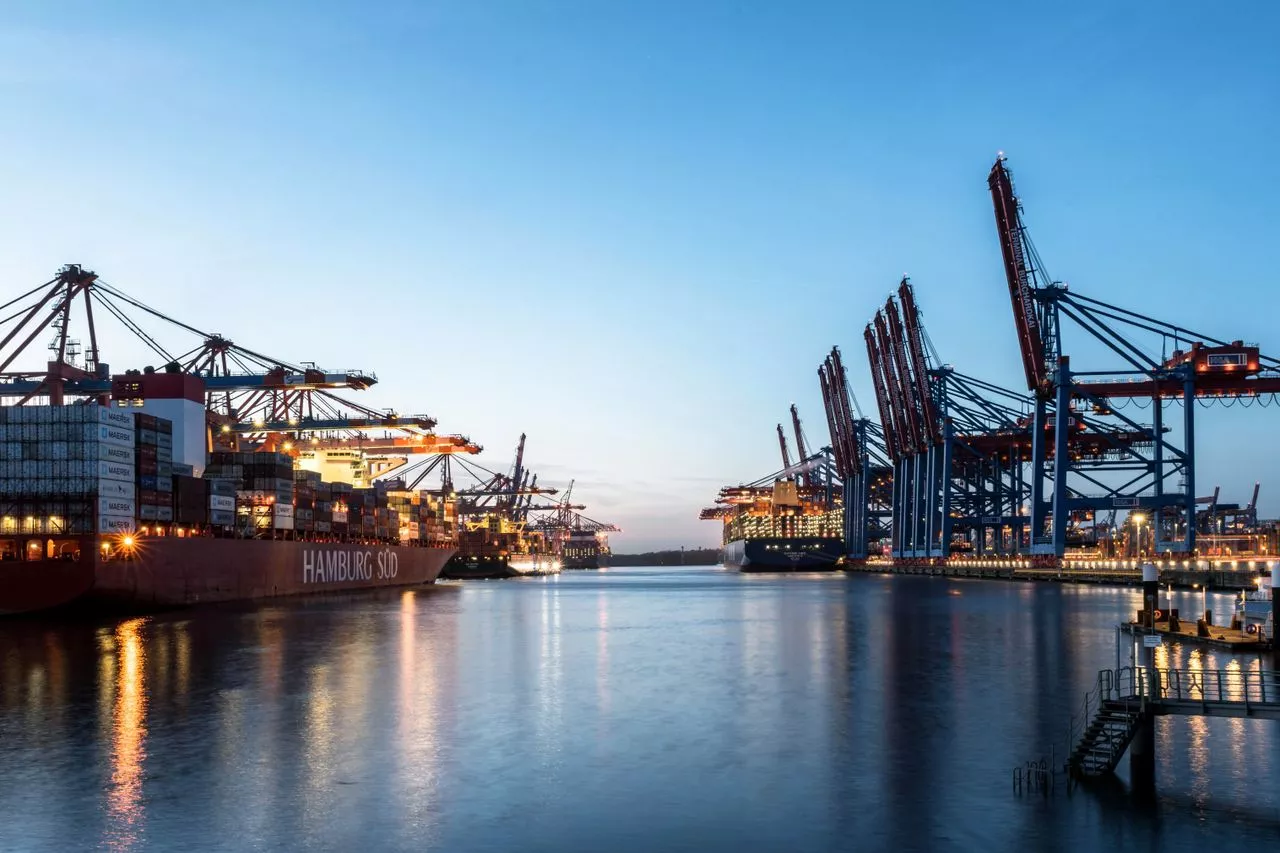
At the western end of the proposed network, KE plans to develop a major deep-water export port and terminal in the Kitsault/Observatory Inlet area. The location is intended to provide access to international shipping routes across the Pacific, potentially supporting exports to Asian markets and other international destinations.
The proposed terminal would serve as a central transportation and distribution point for Canadian energy resources and agricultural and mineral commodities. By combining different transportation systems and export activities, the company aims to create infrastructure capable of supporting several industries rather than depending on a single commodity.
Multiple Commodities and Export Opportunities
A key element of the Kitsault Energy proposal is its multi-commodity approach. The planned transportation network could accommodate crude oil, natural gas, LNG, natural gas liquids, and other energy products alongside agricultural and mineral resources.
Potential agricultural exports include canola and pulse crops, while mineral and industrial commodities could include potash, uranium, and other natural resources produced across Canada.
KE believes that combining these export streams could create broader commercial opportunities and improve the long-term utilization of transportation and port infrastructure. Instead of developing separate facilities for individual commodities, an integrated corridor could provide shared access to railway connections, storage facilities, loading terminals, and marine transportation services.
The proposed deep-water port would be an important component of this strategy. Its development could support the handling of different cargo types, subject to the engineering, environmental, regulatory, and operational requirements associated with each commodity.
Railway connections would also play an important role by linking resource-producing regions with the coastal export terminal. Pipeline infrastructure would provide dedicated transportation capacity for liquid and gaseous energy products.
Through this integrated model, KE seeks to establish a transportation system that could serve energy producers, agricultural businesses, mining companies, and other resource-based industries.
Building on Previously Approved Pipeline Corridors
An important part of KE’s proposal involves existing infrastructure planning and regulatory history. Several years ago, the former National Energy Board approved two pipeline corridors proposed by Spectra Energy to transport liquid and gaseous fuels from Dawson Creek toward Kitsault.
Kitsault Energy sees these previously approved corridors as a potential starting point for advancing its broader infrastructure vision. Building on earlier planning work could provide an opportunity to evaluate existing route options and determine how pipeline infrastructure might fit into a larger multi-commodity transportation network.
However, further regulatory review, updated approvals where required, engineering assessments, environmental evaluations, financing arrangements, and consultations with affected communities would be necessary before any construction could proceed.
First Nations partnerships are another important consideration for the proposed development. KE recognizes the importance of establishing meaningful relationships with Indigenous communities and incorporating their participation into the planning and development process.
The company believes that cooperation with First Nations, governments, industry participants, investors, and infrastructure operators would be essential to advancing a project of this scale.
A Long-Term Vision for Canada’s Economic Competitiveness
Kitsault Energy’s proposal challenges Canada to consider whether its future transportation investments should focus exclusively on individual pipeline projects or support a more comprehensive national export strategy.
The company argues that investing substantial capital in a pipeline crossing British Columbia solely to transport approximately one million barrels of crude oil per day should be evaluated against the potential economic benefits of a broader, multi-commodity transportation and export corridor.
An integrated system could potentially support several sectors, diversify export opportunities, and create additional commercial activity around transportation, logistics, port operations, and resource development.
For Dr. Suthanthiran and Kitsault Energy, the objective is to develop infrastructure that addresses Canada’s long-term economic requirements while improving its ability to compete in international markets.
The proposed Dawson Creek-to-Observatory Inlet connection, together with the broader Churchill-to-northwest British Columbia concept, represents the company’s vision for connecting Canadian resources with global customers.
If advanced, the project would require substantial investment, coordinated planning, environmental assessments, regulatory approvals, and partnerships across multiple industries and jurisdictions. Its development would also depend on market demand, commercial agreements, and the financial viability of the proposed transportation and export facilities.
Kitsault Energy maintains that a strategically planned energy and commodity corridor could help diversify Canada’s trade relationships, strengthen access to international markets, and create opportunities for long-term economic development. The company’s vision is to establish an integrated export network capable of supporting Canada’s energy, agricultural, and natural resource industries for future generations.
Source Link: https://www.businesswire.com/