

Stem Expands PowerTrack EMS into Latin America’s Hybrid Renewable Energy Market Through Chile’s Granja Solar Project
Stem, a global provider of AI-enabled clean energy software and services, has announced a major step forward in its Latin American expansion strategy through a new partnership with Copec Flux, the renewable energy subsidiary of Copec S.A. The collaboration will see Stem deploy its advanced PowerTrack™ Energy Management System (EMS) at the Granja Solar project in Chile, helping transform the existing solar facility into a large-scale hybrid renewable energy asset integrating both solar generation and battery energy storage.
The development represents a significant milestone for Stem as it enters Latin America’s growing utility-scale hybrid energy market, where renewable power producers are increasingly combining solar generation with battery storage systems to improve grid reliability, optimize electricity delivery, and maximize the value of renewable energy assets.
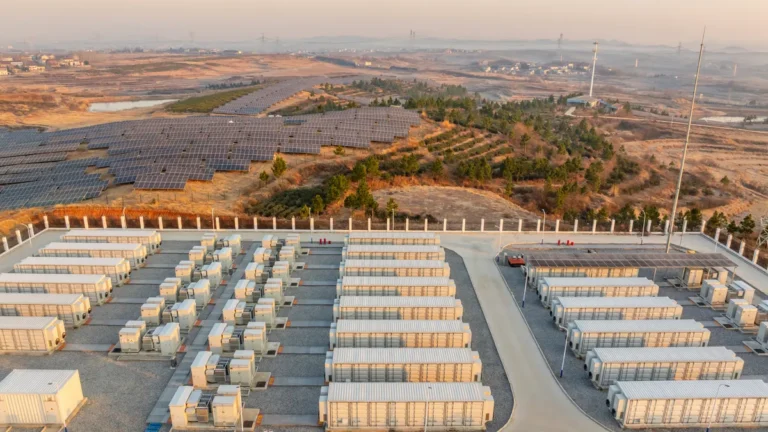
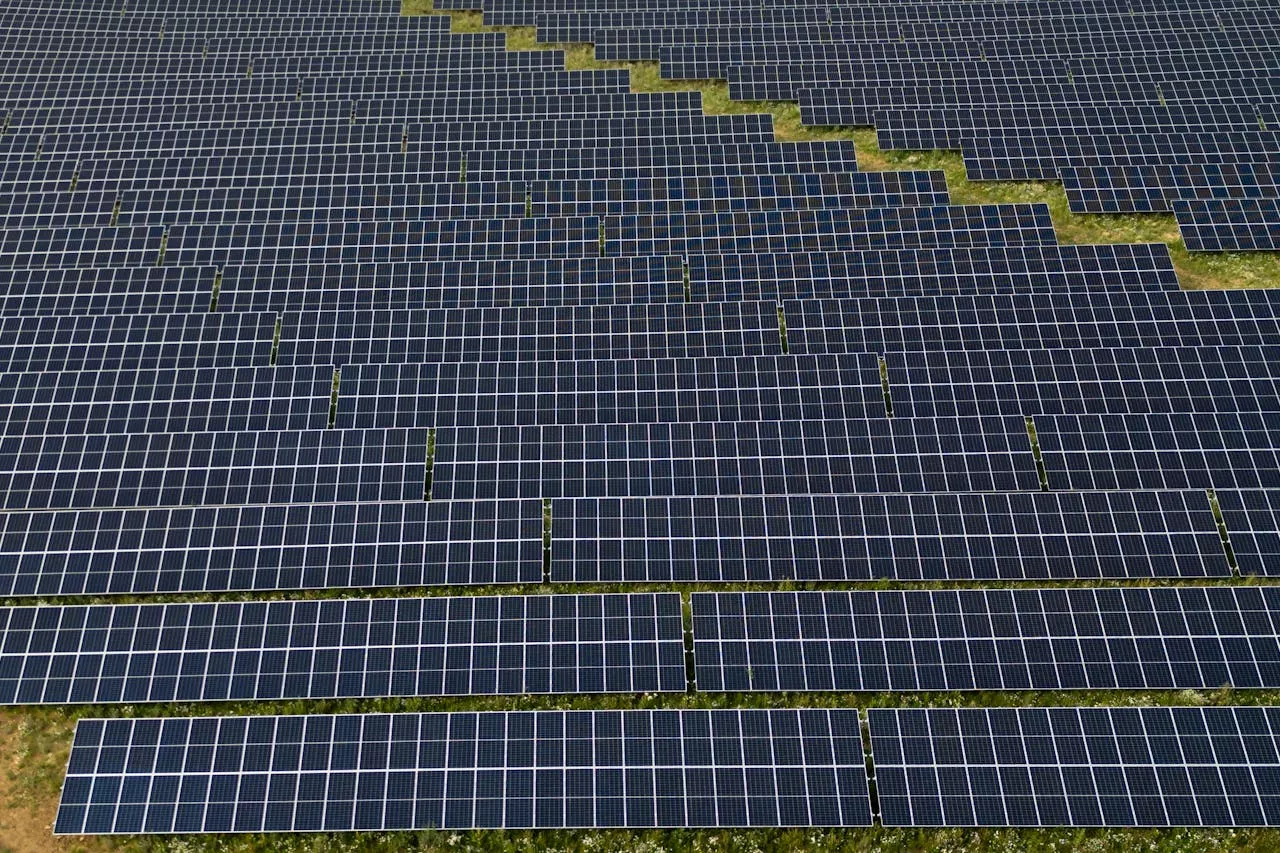
The Granja Solar project, already operating as a 135-megawatt photovoltaic (PV) solar installation, is currently being upgraded with a 420-megawatt-hour battery energy storage system (BESS). Once completed, the project will function as a hybrid solar-plus-storage facility capable of storing excess solar energy during periods of strong generation and delivering electricity to Chile’s national grid during periods of higher demand and greater market value.
As part of the project’s modernization and expansion, Stem’s PowerTrack EMS will serve as the site’s master control platform. The system will coordinate and manage the integration between the solar generation assets and the new battery storage infrastructure, enabling more efficient operations and enhanced control across the entire facility.
The deployment highlights the growing importance of advanced energy management software in modern renewable energy projects. As renewable energy penetration increases across global power systems, operators are seeking intelligent digital solutions capable of managing increasingly complex energy flows, optimizing dispatch schedules, improving operational visibility, and supporting grid stability.
Stem’s PowerTrack platform combines edge computing and cloud-based technologies to deliver centralized monitoring, controls, and analytics for energy storage and renewable energy systems. At Granja Solar, the software will provide site-level operational oversight, real-time monitoring capabilities, and coordinated control architecture designed to help optimize performance across the integrated solar and storage facility.
According to the companies involved, the project is expected to demonstrate how advanced energy management software can simplify hybrid asset operations while improving visibility into system performance and operational conditions. The implementation is also intended to establish a scalable model for future hybrid renewable projects across Latin America.
Matt Tappin, President of Software at Stem, said the agreement marks an important step in expanding the company’s software footprint into key Latin American markets.
“Partnering with Copec expands the reach of PowerTrack into key Latin American markets,” Tappin said. “Beginning with Granja Solar, we have an opportunity to show how advanced monitoring and controls software can help customers improve visibility, streamline operations, and build a stronger foundation for long-term asset performance.”
The collaboration also reflects the broader transformation taking place in Latin America’s energy sector, where countries including Chile and Colombia are accelerating renewable energy development while investing in battery storage technologies to support grid flexibility and energy security.
Chile in particular has emerged as one of the region’s most active renewable energy markets. The country has significantly expanded solar and wind generation capacity over the past decade, supported by favorable natural resources, government energy transition policies, and rising demand for cleaner electricity generation. However, the rapid growth of intermittent renewable energy has also increased the need for flexible energy storage solutions capable of balancing supply and demand fluctuations.
Battery energy storage systems are becoming a critical component of this transition, allowing operators to store renewable electricity when generation is high and release it during periods of peak consumption or lower renewable output. Hybrid solar-plus-storage facilities like Granja Solar are increasingly viewed as essential infrastructure for improving grid reliability while enabling deeper renewable energy penetration.
For Copec Flux, the Granja Solar project aligns with the company’s strategy of expanding its renewable energy portfolio while incorporating advanced digital technologies and energy storage systems to enhance operational efficiency and market competitiveness.
Copec Flux operates not only as an independent power producer but also provides engineering, procurement, construction (EPC), and operations and maintenance (O&M) services across its renewable energy assets. This combination of technical expertise, local market knowledge, and operational capability positions the company as a key partner in implementing sophisticated hybrid renewable energy projects within the region.
Leonardo Ljubetic, Chief Development Officer at Copec, emphasized that the Granja Solar model reflects the future direction of renewable energy development in Latin America.
“The model we’re developing at Granja Solar reflects where the energy transition in the region is heading: increasingly integrated, intelligent, and flexible renewable energy projects,” Ljubetic said. “By incorporating advanced control systems, we are able to manage energy more efficiently, delivering greater stability and value to the electrical system. This partnership with Stem combines cutting-edge technology with the local execution and operational expertise of Copec, further strengthening our position as a strategic partner for Chile.”
The project also illustrates the increasing convergence of digitalization and renewable energy infrastructure development. Energy management systems such as PowerTrack are becoming central to the operation of utility-scale renewable assets as operators seek to optimize performance, reduce operational complexity, and improve financial returns in competitive electricity markets.
Advanced control systems enable renewable energy facilities to better respond to market signals, coordinate multiple energy assets, and improve the predictability and reliability of power delivery. In hybrid facilities, software platforms play a particularly important role in managing the interaction between solar generation and battery storage systems while ensuring compliance with grid requirements and operational objectives.
Stem indicated that the Granja Solar installation may serve as a reference model for future projects requiring integrated monitoring, control, and operational coordination capabilities. The company sees strong long-term growth potential for hybrid renewable energy systems throughout Latin America as governments, utilities, and private developers continue investing in cleaner and more flexible energy infrastructure.
The partnership between Stem and Copec Flux could potentially extend beyond Chile as demand for solar-plus-storage projects expands across neighboring markets, particularly in Colombia and other emerging renewable energy regions. By combining Stem’s software expertise with Copec Flux’s regional operational capabilities, the companies aim to establish a localized delivery and support model capable of serving future hybrid energy developments throughout the continent.
As global energy systems continue shifting toward cleaner electricity generation, projects like Granja Solar demonstrate how battery storage, intelligent software, and renewable power generation are increasingly being integrated to create more resilient and flexible energy infrastructure. The deployment also underscores the growing role of digital technologies in enabling the next phase of renewable energy growth across Latin America and beyond.
Source Link: https://www.businesswire.com/