

ComEd Surpasses $10 Billion in Renewable Energy Investments to Advance Illinois Clean Energy Goals
ComEd has announced a major milestone in its clean energy efforts, revealing that it surpassed $10 billion in Renewable Energy Credits (RECs) under contract by the close of 2025. The achievement underscores the growing scale of renewable energy development across Illinois and highlights the utility’s expanding role in supporting the state’s transition toward a cleaner and more sustainable power system.
The company said the investment represents one of the largest renewable energy support commitments in Illinois history and reflects continued momentum in the deployment of solar and other distributed energy resources across the state. According to ComEd, the REC contracts currently administered by the company correspond to approximately 383 million megawatt-hours of renewable electricity generation in Illinois.
Renewable Energy Credits are a critical component of the clean energy market. Each REC represents the environmental benefits associated with one megawatt-hour of electricity generated from renewable energy resources such as solar or wind power. Utilities purchase and retire these credits to comply with renewable energy requirements established under state law. The funding tied to REC agreements provides long-term financial support that helps renewable energy developers secure financing and move projects from planning into operation.
ComEd explained that the $10 billion total reflects the cumulative value of all active REC contracts currently under management. Many of these agreements extend for periods of up to 20 years, creating long-term certainty for developers and investors while supporting the expansion of clean energy infrastructure across Illinois. Company officials said these investments are designed not only to increase renewable generation but also to help create a more affordable and resilient energy system over time.
Growth in renewable energy support accelerated significantly during 2025. ComEd reported that approximately 105 million additional RECs were added under contract during the year alone, marking one of the largest annual increases since Illinois began expanding its clean energy programs. The sharp rise in contracted renewable energy capacity reflects strong market demand, supportive state policies, and continued investment in renewable infrastructure throughout the region.
Andrew Plenge, Vice President of Strategy and Energy Policy at ComEd, said the milestone demonstrates the effectiveness of Illinois’ clean energy framework and the importance of long-term renewable energy commitments in supporting new generation projects.
According to Plenge, REC programs play a central role in helping renewable energy projects obtain financing and move into construction. By administering long-term contracts and ensuring developers receive stable payments over time, ComEd helps create the conditions necessary for continued renewable energy growth across the state.
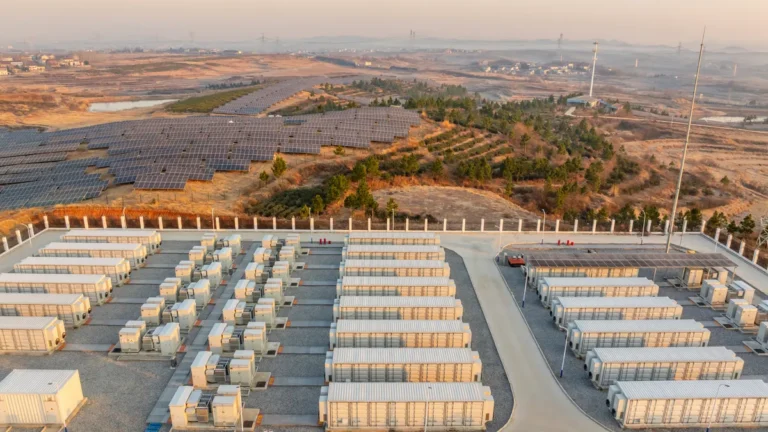
In addition to the growth in RECs, ComEd highlighted rapid expansion in distributed energy resources connected to its electric grid. Distributed energy resources, commonly referred to as DERs, include technologies such as rooftop solar systems, battery storage, and other small-scale power generation systems located close to where electricity is consumed.
ComEd stated that DER capacity connected to its system has now reached approximately 1.7 gigawatts, up substantially from about 1 gigawatt in 2024. The utility said the increase reflects rising adoption of solar energy by both residential and commercial customers throughout northern Illinois.
The current level of distributed solar generation connected to ComEd’s grid is enough to supply electricity to an estimated 306,000 homes for one year. The company noted that the expansion includes more than 2,000 commercial solar installations and nearly 80,000 residential rooftop solar systems now operating within its service territory.
Community solar has also emerged as a major contributor to renewable energy growth in Illinois. ComEd reported that more than 270 community solar projects are already interconnected to its grid, while another 480 projects are currently under construction.
Community solar programs allow customers who may not have suitable rooftops or the ability to install solar panels directly on their properties to participate in renewable energy generation. Subscribers can receive credits on their electricity bills based on the energy produced by a shared solar facility, helping lower monthly energy costs while increasing access to clean power.
The growth of community solar projects has expanded renewable energy participation to a broader range of households, businesses, and communities across Illinois. Energy officials say the model is particularly valuable for renters, low-income households, and customers living in multi-family buildings where rooftop solar installation may not be practical.
ComEd emphasized that increased renewable energy generation provides several long-term benefits beyond reducing carbon emissions. The company said clean energy development also contributes to economic growth, supports job creation, and strengthens local communities through infrastructure investment and construction activity.
Illinois’ renewable energy expansion is being driven in large part by state-level climate and energy legislation. The Climate and Equitable Jobs Act (CEJA), enacted in 2021, established some of the nation’s most ambitious clean energy goals. The law places Illinois on a pathway toward achieving 100% clean energy by 2050.
Under CEJA, Illinois aims to generate 40% of its electricity from renewable sources by 2030 and 50% by 2040. The legislation also includes programs designed to encourage workforce development, improve energy equity, and support clean energy investment in historically underserved communities.
The Renewable Portfolio Standard established by the state requires electric utilities to procure a growing percentage of electricity from renewable sources. REC purchases are one of the primary mechanisms utilities use to comply with these requirements. The Illinois Power Agency oversees procurement processes for renewable energy contracts, while the Illinois Commerce Commission provides regulatory approval.
ComEd’s role involves administering the contracts and managing payments to approved renewable energy vendors on behalf of customers. Company officials noted that this structure helps ensure transparency and accountability while facilitating continued clean energy investment throughout the state.
To support the next phase of renewable energy growth, ComEd is also making substantial investments in grid modernization. The company recently submitted a multi-year Grid Plan to the Illinois Commerce Commission outlining infrastructure upgrades intended to support a more dynamic and flexible electric system.
The proposed investments are designed to accommodate rising levels of distributed energy resources, battery storage systems, electric vehicles, and other advanced technologies that are expected to reshape electricity demand and power flows in coming years.
Unlike traditional electric grids that were built primarily for one-way power delivery from large centralized generating stations, modern energy systems increasingly require bi-directional power flows as customers generate and store electricity locally. ComEd said its planned grid enhancements will help create a more resilient, intelligent, and multi-directional network capable of managing these evolving energy demands.
The company also noted that modernized grid infrastructure will help enable additional residential and commercial solar projects while supporting technologies such as high-efficiency electric heat pumps and energy storage systems. These upgrades are expected to improve system reliability, increase operational flexibility, and support broader decarbonization goals across Illinois.
As Illinois continues pursuing its long-term clean energy objectives, ComEd’s expanding REC portfolio and grid modernization efforts are expected to play an increasingly important role in enabling renewable energy deployment and supporting customer access to cleaner and potentially lower-cost electricity options.
The utility said the combination of long-term renewable energy contracts, growing distributed generation capacity, and strategic grid investments positions Illinois to continue advancing toward its ambitious clean energy targets while delivering environmental and economic benefits to communities across the state.
Source Link: https://www.businesswire.com/