

Sentinel Water Solutions Treats More Than 200 Million Gallons in One Year at Perkasie
Sentinel Water Solutions (Sentinel) and Perkasie Regional Authority have marked one year of successful operation of a temporary granular activated carbon (GAC) treatment system that has treated more than 200 million gallons of drinking water. The milestone comes as the Pennsylvania water utility continues work on permanent treatment facilities designed to address per- and polyfluoroalkyl substances (PFAS) in its drinking water supply.
The temporary treatment system was deployed in 2025 as an interim measure, enabling Perkasie Regional Authority to begin PFAS treatment approximately one year before the anticipated completion of its first permanent treatment facility. Sentinel supplied the equipment and treatment media needed to integrate the temporary system into the Authority’s existing water infrastructure.
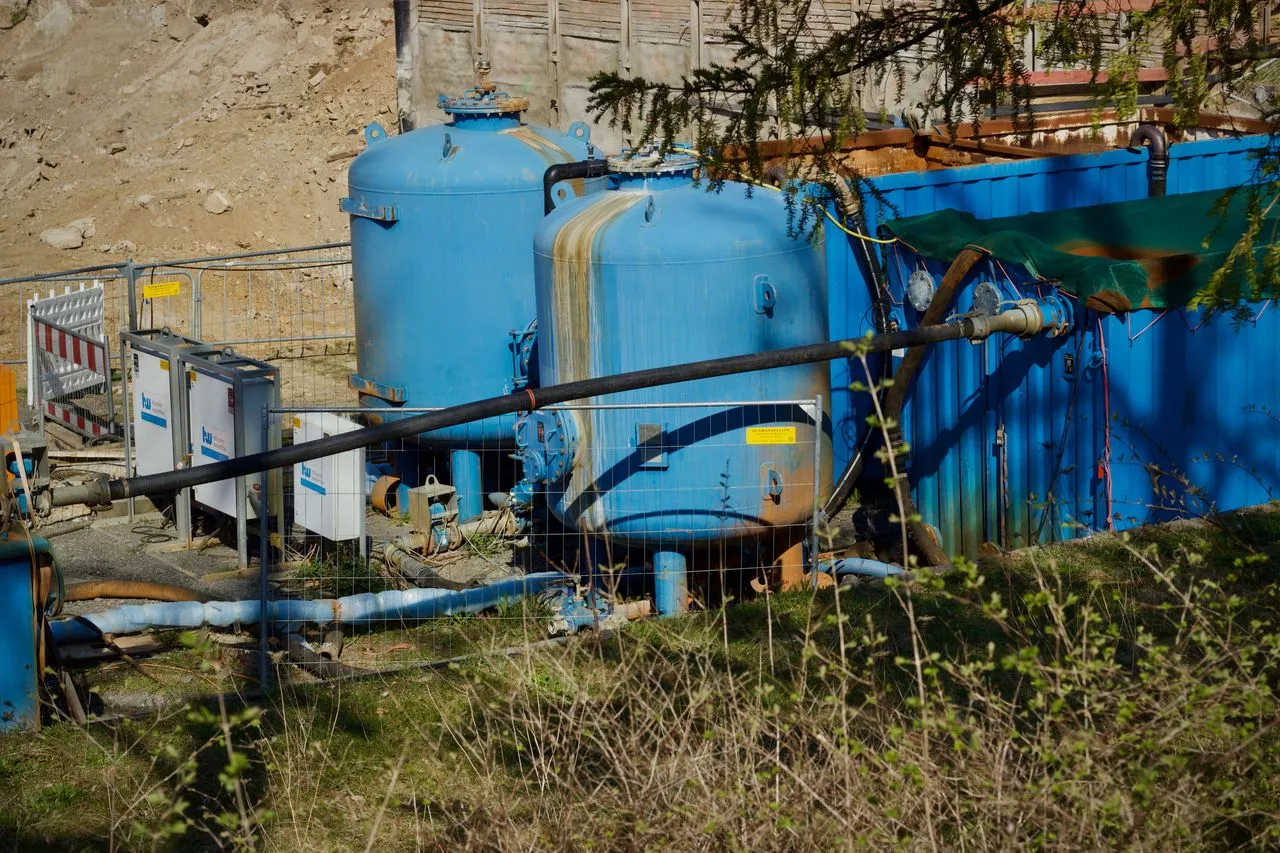
The installation included four DESOTEC Mobicon vessels, each pre-loaded with approximately 10,000 pounds of NSF-certified GAC. Sentinel also provided an automated booster pump skid and pressure-control improvements to support the integration of the rental treatment equipment with the Authority’s existing infrastructure.
Rather than waiting for the permanent treatment plant to be designed, constructed and commissioned before beginning PFAS treatment, Perkasie Regional Authority chose to advance temporary treatment alongside its larger capital improvement program. The parallel strategy enabled the utility to move its PFAS compliance schedule forward while permanent facilities continued through the development and construction process.
After a full year of operation, the system has demonstrated the role temporary treatment can play in addressing immediate water-quality requirements while a utility develops a longer-term treatment solution. The more than 200 million gallons processed through the system also represent a significant operating milestone for the project.
The temporary system was developed around the concept that interim treatment could complement, rather than operate separately from, the Authority’s permanent PFAS treatment strategy. This approach has allowed Perkasie to address its immediate treatment requirements while creating a pathway for the treatment media used during the temporary period to contribute to its future operations.
A key element of the strategy involves the GAC currently being used in the rental system. Once carbon is removed from service, it is planned to become part of Perkasie’s GAC reactivation pool. Through reactivation, the carbon can be prepared for future use, creating an inventory of Authority-owned reactivated GAC that can eventually be deployed in the permanent PFAS treatment facility.
The strategy is intended to preserve the value of the treatment media beyond the temporary operating period. Instead of treating the GAC used during the interim phase as a short-term consumable, Perkasie can incorporate it into a broader carbon management program. The approach can also reduce dependence on virgin activated carbon and support a more sustainable lifecycle for the media used in PFAS treatment.
“What makes this project exciting is that the temporary system wasn’t simply a bridge until the permanent plant was completed,” said Andrew Strassner, President of Sentinel Water Solutions. “Now the carbon that helped expedite compliance can become part of the Authority’s long-term reactivation program. It’s a great example of how utilities can address an immediate compliance need without losing sight of the long-term operating strategy.”
Sentinel’s work on the project builds on its partnership with DESOTEC, which provides NSF-certified GAC reactivation and carbon inventory management services. The temporary installation was designed with the future reactivation of the treatment media in mind, allowing the utility to consider both near-term PFAS treatment requirements and longer-term management of activated carbon.
PFAS treatment has become an increasingly important consideration for drinking water utilities as regulatory requirements and water-quality objectives drive the development of new treatment infrastructure. For utilities working toward compliance, permanent treatment facilities can require significant periods for planning, engineering, permitting, construction and commissioning. Temporary treatment systems can provide an option for beginning treatment while those larger projects remain underway.
The Perkasie project illustrates how a rental treatment system can be incorporated into a utility’s broader infrastructure program. By deploying temporary GAC treatment before the permanent facility is completed, the Authority was able to begin addressing PFAS treatment requirements earlier while continuing to develop its long-term solution.
The project also demonstrates the importance of planning treatment media requirements beyond the initial deployment. With the GAC intended to enter a future reactivation pool, the temporary system provides a mechanism for generating an inventory of reusable carbon that can support the permanent facility once it becomes operational.
For other utilities facing PFAS compliance schedules, the experience offers a potential model for combining rapidly deployable treatment technology with long-term capital planning. Rather than waiting for a permanent facility to be completed, utilities can consider interim treatment options that provide earlier treatment while preserving opportunities to transition equipment, treatment media or operational strategies into future infrastructure programs.
“Perkasie’s proactive approach a year ago allowed treatment to begin a year ahead of schedule,” Strassner added. “Reaching 200 million gallons is an important milestone, but the bigger success is that the interim solution is becoming part of the permanent solution.”
As Perkasie Regional Authority advances construction of its permanent PFAS treatment facilities, the temporary GAC system continues to provide an operational link between the Authority’s immediate treatment needs and its long-term water infrastructure plans. The first year of operation and more than 200 million gallons treated highlight how interim treatment can provide immediate utility benefits while supporting a planned transition toward permanent facilities and longer-term carbon management.
Source Link: https://www.businesswire.com/