


National Grid’s North Humber to High Marnham Project Advances to Next Planning Stage
National Grid has reached a significant milestone in the development of its proposed North Humber to High Marnham electricity transmission project after the Planning Inspectorate accepted its Development Consent Order (DCO) application. The decision marks an important step forward for the major infrastructure scheme, which is designed to strengthen electricity transmission capacity between the Humber region and the East Midlands while supporting the UK’s transition towards a more secure and sustainable energy system.
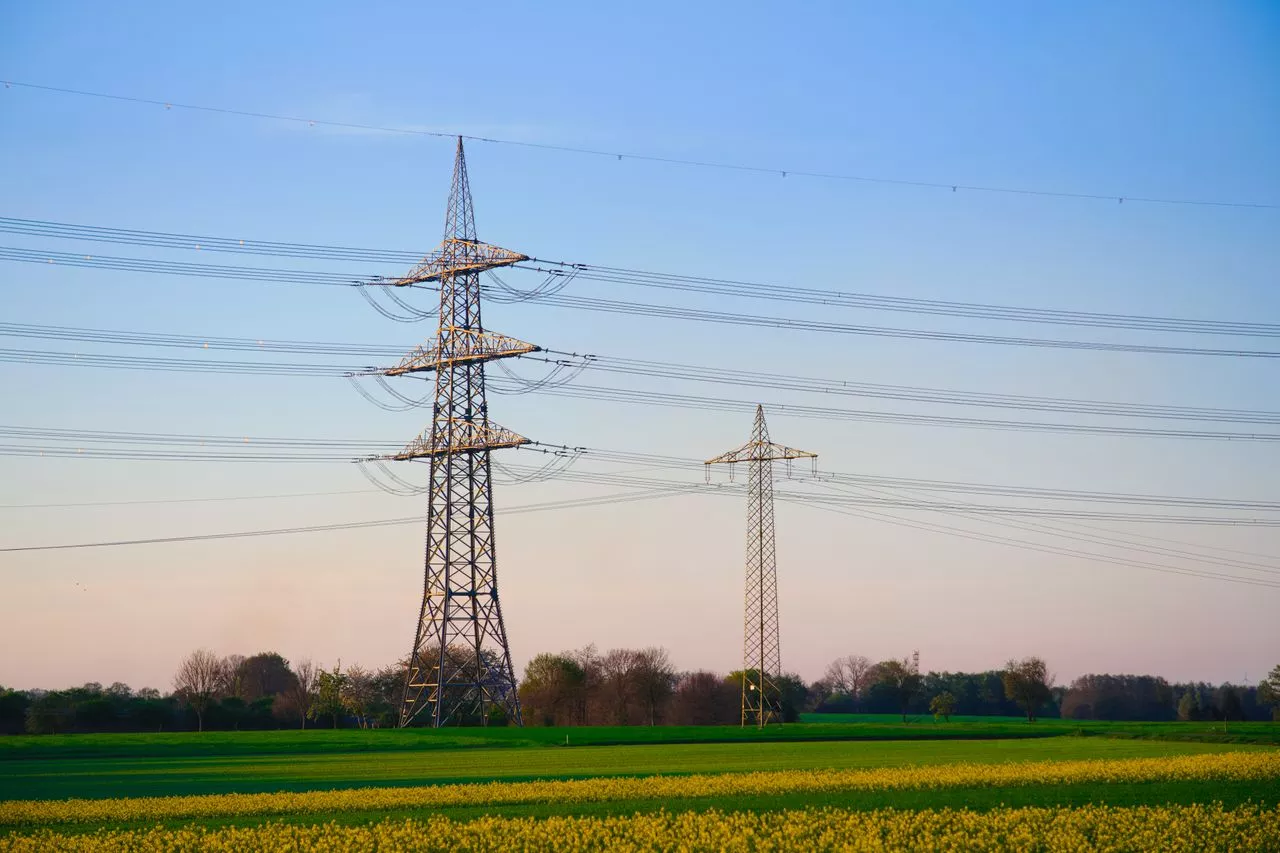
The North Humber to High Marnham project is intended to increase the amount of electricity that can be transported across the region, helping accommodate rising demand and growing supplies of domestically generated renewable energy. The proposed development includes approximately 90 kilometres of new 400-kilovolt (400kV) overhead electricity transmission line. In several sections, the proposed route would run close to existing overhead transmission infrastructure.
The project forms part of National Grid’s Great Grid Upgrade, an extensive programme to modernise and expand Britain’s electricity transmission network. The initiative represents one of the largest upgrades to the country’s electricity infrastructure in generations and is intended to ensure the network can meet changing energy requirements.
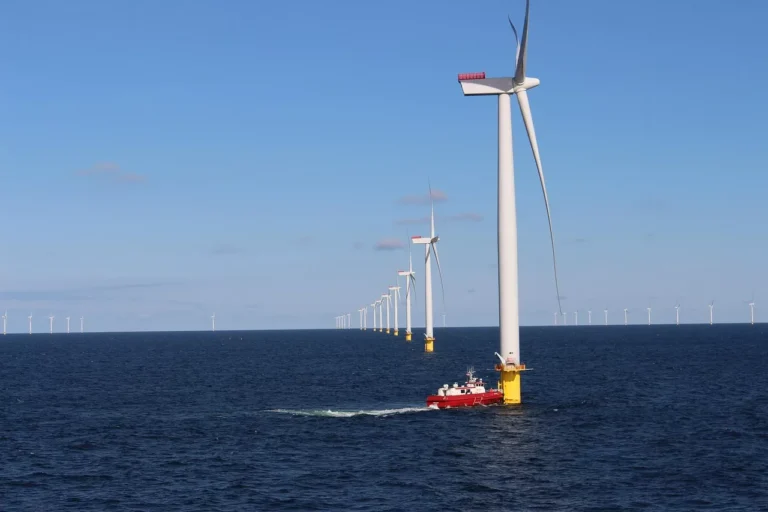
As electricity consumption increases across households, businesses and public services, additional transmission capacity will be essential to maintaining a reliable supply. The expansion of renewable generation, particularly offshore wind projects along the east coast, is also increasing the need for infrastructure capable of transporting electricity from generation locations to areas where it is required.
North Humber to High Marnham is expected to contribute towards addressing these requirements by improving the movement of electricity between regions. Strengthening the transmission network could also support the integration of additional renewable energy resources, helping reduce constraints on the electricity system and improve the ability to distribute home-grown power.
The acceptance of the DCO application follows several years of project development, environmental assessments, technical investigations and engagement with stakeholders. National Grid has worked with residents, landowners, local authorities, businesses, community organisations and other interested parties throughout the planning process.
Feedback gathered during these discussions has contributed to the development of the proposed route and informed various aspects of the project’s design. Environmental considerations and local priorities have also been taken into account as the company has continued refining its proposals.
Monica Corso Griffiths, Project Director for North Humber to High Marnham, described the acceptance of the application as an important achievement following years of preparation and engagement.
She said the milestone reflected the work undertaken to develop the proposals and understand the views of people living and working throughout the project area. She also highlighted the importance of investment in electricity infrastructure as demand continues to increase and more offshore wind generation connects to the national network.
According to Corso Griffiths, strengthening transmission capacity will help ensure electricity can be transported efficiently to homes, businesses and public services. She acknowledged the contributions made by individuals and organisations during the development process and emphasised that community engagement would remain a priority as the project moves into the next phase.
Beyond its potential contribution to the electricity network, North Humber to High Marnham could generate economic opportunities for businesses and suppliers across East Yorkshire, North Lincolnshire and neighbouring areas.
Large-scale electricity infrastructure developments require a broad range of specialist skills, equipment and supporting services. These requirements can create opportunities for regional companies involved in engineering, construction, environmental consultancy, transportation, logistics and other professional services.
Additional demand may also benefit businesses operating in accommodation, catering and related support industries. Local suppliers could have opportunities to participate in different stages of the project, depending on the requirements of the construction programme and procurement arrangements.
National Grid has also outlined plans for a proposed community fund worth approximately £18 million, which would be established if the project receives development consent. The funding is intended to support initiatives that address local priorities and deliver long-term benefits for communities across the project area.
Potential areas of support include improvements to community facilities, environmental enhancement programmes, health and wellbeing initiatives and projects focused on improving energy efficiency. The funding approach is intended to reflect the needs of individual communities rather than impose a uniform set of priorities across the region.
National Grid has indicated that residents, charities, community organisations and elected representatives would be involved in discussions about how the funding should be developed and distributed. This engagement would help identify projects capable of delivering meaningful benefits and creating lasting positive outcomes for local areas.
The proposed community investment is an additional element of the wider infrastructure development, recognising that major transmission projects can affect communities in different ways. By working with local organisations and residents, the company aims to ensure that the benefits of the project extend beyond improvements to electricity transmission.
With the Planning Inspectorate accepting the application, North Humber to High Marnham will now enter the pre-examination stage of the nationally significant infrastructure planning process.
During this phase, members of the public, organisations and other stakeholders will have the opportunity to register as Interested Parties. Those who register will be able to participate in the formal planning process and provide relevant representations before the application proceeds to independent examination.
The examination stage will allow the proposed development to be assessed in greater detail, including its planning case, environmental considerations and the representations submitted by interested parties. The process provides an opportunity for relevant stakeholders to present their views and for outstanding issues to be considered.
Following the examination, the Planning Inspectorate will prepare a recommendation for the Secretary of State. The Secretary of State will then make the final decision on whether development consent should be granted.
Acceptance of the application does not mean that construction has been approved. The project must continue through the statutory planning process before a final decision can be made.
North Humber to High Marnham represents part of National Grid’s broader response to the infrastructure requirements associated with increasing electricity demand and the expansion of renewable generation. Its proposed 400kV transmission link is intended to strengthen connections between the Humber and East Midlands, supporting the movement of electricity across the country.
As the project advances through the planning process, continued engagement with communities, businesses and other stakeholders will remain important in shaping its development and considering its potential regional benefits.
Source Link: https://www.nationalgrid.com/