

Sentinel Midstream Launches Texas GulfLink Deepwater Port Construction to Expand U.S. Crude Exports
Sentinel Midstream LLC has officially commenced development of its highly anticipated Texas GulfLink deepwater port project, a major milestone for the U.S. energy export sector and a significant advancement for Gulf Coast infrastructure. The project, known as Texas GulfLink, moves forward with financial backing provided under the U.S.–Japan Trade Agreement, highlighting growing international cooperation aimed at strengthening global energy security and expanding American crude oil export capacity.
The launch of construction represents one of the most important offshore energy infrastructure developments currently underway in the United States. Located approximately 30 miles offshore west of Freeport, Texas, the terminal is designed to transform the way American crude oil reaches international markets by enabling direct loading of Very Large Crude Carriers (VLCCs). Once completed, the facility will provide a more efficient export pathway for U.S. oil producers while supporting long-term economic growth across the Gulf Coast region.
The Texas GulfLink project is advancing in coordination with the U.S. Department of Commerce and the Government of Japan. The initiative reflects a broader strategic effort between the two nations to improve energy resilience, strengthen trade relationships, and ensure stable energy supplies for allied economies. Sentinel Midstream will oversee all aspects of the project, including construction, commercial operations, and long-term management of the offshore terminal.
Funding support for the project was made available under the U.S.–Japan Trade Agreement through Executive Order 14345, signed on September 4, 2025. The agreement underscores continued global confidence in American energy infrastructure and demonstrates the importance of U.S. crude oil exports in meeting international energy demand. The project also aligns with ongoing efforts to enhance energy cooperation between the United States and its allies in Asia and Europe.
With construction now underway, Texas GulfLink is expected to create substantial economic benefits for Texas and the broader U.S. energy industry. The development is projected to generate thousands of high-quality American jobs during both the construction and operational phases. Local communities along the Gulf Coast are expected to benefit from increased investment, infrastructure expansion, and long-term employment opportunities tied to the terminal’s operations.
U.S. Secretary of Commerce Howard Lutnick praised the project as a direct result of international cooperation and pro-energy trade policies. He stated that the U.S.–Japan Trade Deal continues to drive investment into American energy infrastructure and emphasized the economic impact the project will have on the Gulf Coast region for years to come. Lutnick also noted that the terminal would support the delivery of affordable and efficient energy while strengthening America’s position as a global energy supplier.
Texas lawmakers also expressed strong support for the project, highlighting its economic and strategic significance. John Cornyn described the start of construction as a major win for Texas and a reflection of continued efforts to expand American energy production and exports. According to Cornyn, the project will bring well-paying jobs to Brazoria County while generating billions of dollars in crude oil export value over the coming years.
Ted Cruz also emphasized the importance of Texas GulfLink in expanding the state’s energy infrastructure network. Cruz noted that deepwater port projects have been a priority in federal energy policy discussions and said the new terminal would help strengthen Texas’ role as a global energy powerhouse. He added that the project is expected to drive billions of dollars in investment while supporting thousands of jobs throughout the state.
Meanwhile, Randy Weber highlighted the strategic importance of the Gulf Coast for energy exports and industrial development. Weber pointed to the region’s world-class ports, skilled workforce, and extensive energy infrastructure as key reasons why large-scale investments such as Texas GulfLink continue to move forward. He also emphasized the project’s international backing, particularly support from Japanese partners and stakeholders.
Sentinel Midstream Chief Executive Officer Jeff Ballard described Texas GulfLink as more than just another infrastructure project. According to Ballard, the terminal is designed to unlock the full potential of American energy exports by creating a direct connection between one of the world’s largest crude oil production hubs and international markets. He noted that the facility will help strengthen relationships with U.S. allies while improving global trade dynamics during a period of increasing uncertainty in international energy markets.
Ballard further explained that the project positions the United States as a preferred supplier of crude oil to global buyers seeking reliable and stable energy sources. He stated that Sentinel Midstream is proud to work alongside both the U.S. and Japanese governments in developing infrastructure that supports energy security and long-term economic cooperation.
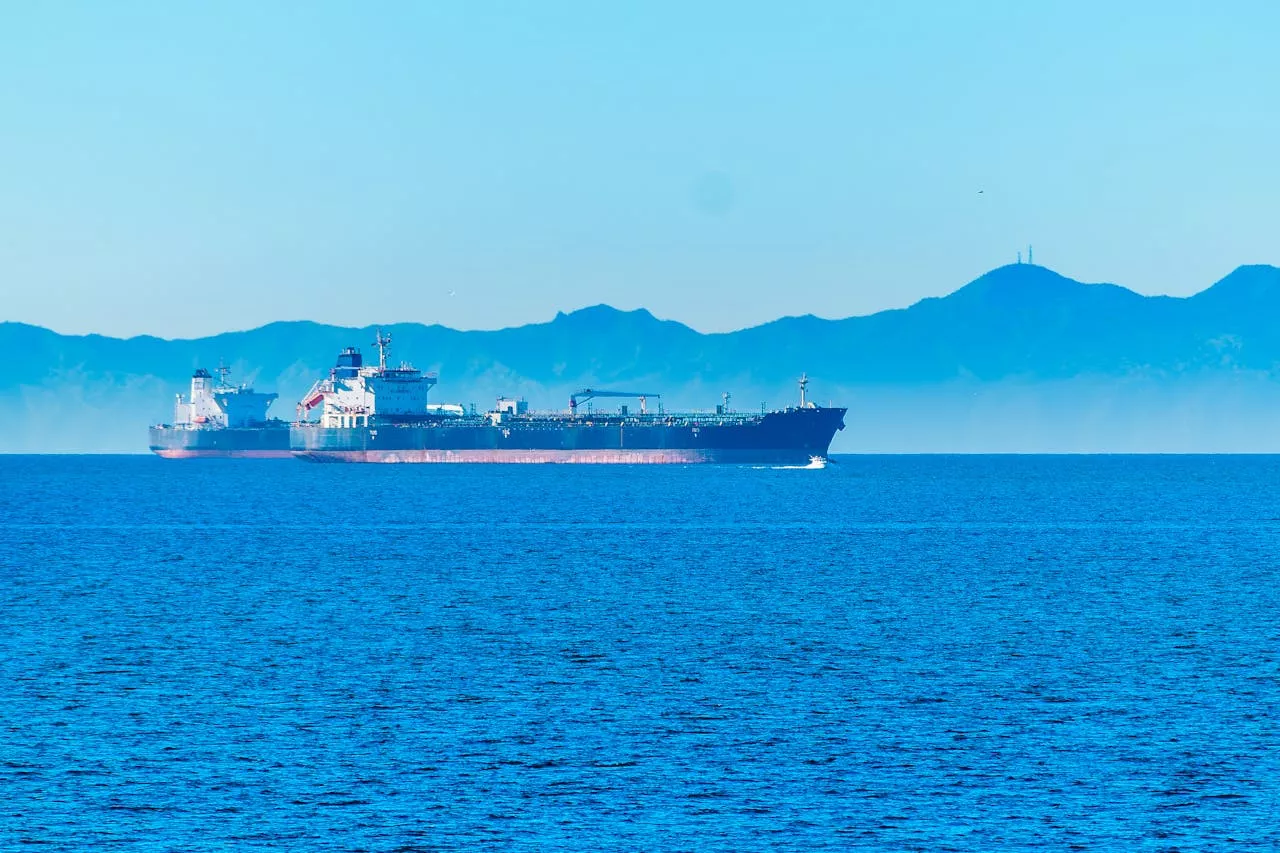
A major advantage of the Texas GulfLink terminal will be its ability to fully load VLCCs offshore. Currently, many large crude carriers require lightering operations, a process in which oil is transferred from smaller vessels to larger tankers before export. This process can increase costs, create logistical challenges, and add additional emissions to shipping operations. By enabling direct loading offshore, Texas GulfLink is expected to improve operational efficiency while reducing environmental impacts associated with traditional export methods.
The terminal’s offshore location will also allow for the handling of significantly larger export volumes compared to many existing Gulf Coast facilities. This capability is expected to improve market access for U.S. crude producers and increase export flexibility to destinations across Asia and Europe. As global energy demand continues to rise, particularly in developing economies, infrastructure capable of supporting large-scale exports is becoming increasingly important.
Industry analysts view deepwater export terminals as critical infrastructure for maintaining the competitiveness of U.S. crude oil in international markets. With domestic oil production remaining strong, export capacity has become a key factor in ensuring producers can efficiently access overseas buyers. Texas GulfLink is expected to play an important role in supporting long-term export growth while reinforcing the United States’ position in global energy trade.
Beyond its impact on exports, the project is also anticipated to deliver broader economic benefits. Once operational, Texas GulfLink is expected to support billions of dollars in annual export value while contributing to improvements in the U.S. trade balance. Increased export activity could also stimulate additional investment in pipelines, storage facilities, shipping operations, and related Gulf Coast infrastructure.
The project arrives at a time when global energy security remains a central concern for many countries. Ongoing geopolitical tensions and evolving energy supply dynamics have increased the importance of reliable crude oil suppliers. By expanding offshore export capabilities, Texas GulfLink aims to provide international markets with greater access to North American-produced crude oil while strengthening the role of the United States in supporting allied energy needs.
As construction begins, Sentinel Midstream’s Texas GulfLink project stands as one of the most ambitious energy export developments on the Gulf Coast. Supported by international cooperation, federal backing, and strong industry demand, the terminal is positioned to become a major gateway for American crude oil exports and a key component of the nation’s long-term energy infrastructure strategy.
Source Link: https://www.businesswire.com/