

NGL Energy Partners Expands LEX II Pipeline to New Mexico’s Eddy County
NGL Energy Partners LP announced a major expansion of its produced water infrastructure network in the Delaware Basin through the extension of its Lea County Express Pipeline System, known as the LEX II Extension. The project represents another significant investment by the company’s Water Solutions division as demand continues to rise for large-scale produced water transportation and disposal services across one of the most active oil and gas producing regions in the United States.
The expansion project will add approximately 60 miles of large-diameter pipeline infrastructure along with new disposal wells and injection facilities. Once completed, the extension will strengthen NGL’s integrated produced water “super-system” and substantially increase the company’s capacity for out-of-basin water disposal operations in the Delaware Basin region.
The Delaware Basin, which spans portions of West Texas and southeastern New Mexico, has experienced rapid growth in crude oil and natural gas production over the last decade. Alongside increasing hydrocarbon output, operators are also managing enormous volumes of produced water, a byproduct generated during drilling and production activities. Efficient gathering, transportation, recycling, and disposal of produced water has become a critical component of oilfield operations, driving demand for large-scale infrastructure systems like the one operated by NGL.
Under the newly announced project, the existing long-haul LEX Pipeline System will expand to a total length of approximately 81 miles. The upgraded system will be capable of transporting nearly 560,000 barrels per day of produced water from Eddy and Lea Counties in New Mexico to Andrews County in Texas. According to the company, the infrastructure has also been designed with future scalability in mind, allowing total system capacity to potentially increase to 650,000 barrels per day as market demand grows.
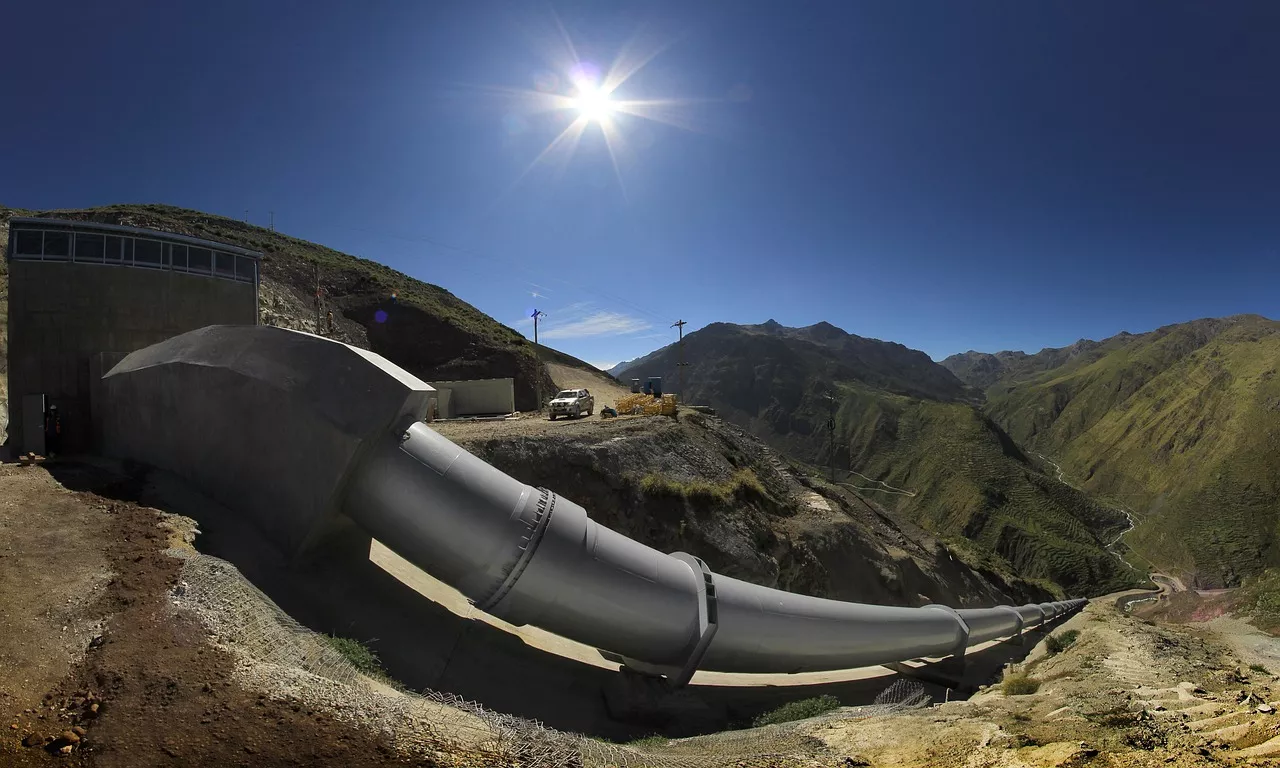
The LEX II Extension will include both 24-inch and 30-inch diameter produced water pipelines, enabling higher throughput and greater operational efficiency. NGL stated that the project alone will add approximately 165,000 barrels per day of incremental capacity to the existing LEX system. The expansion is supported by a newly executed long-term volume commitment agreement with a producer customer, providing additional committed water volumes and expanding the dedicated acreage under contract.
As part of the agreement, the producer commitment area in Eddy County, New Mexico will increase by four townships. The expanded acreage dedication further strengthens utilization expectations for the infrastructure while providing long-term revenue visibility for NGL’s Water Solutions segment.
Company executives emphasized that the project reflects NGL’s ongoing strategy of expanding scalable produced water infrastructure to meet customer requirements in high-activity oil and gas regions.
“NGL remains focused on our commitment to deliver scalable and reliable produced water management for our customers through our super-system pipeline platform and substantial pore space inventory on the Central Basin Platform,” said Doug White, Executive Vice President of NGL Water Solutions.
Produced water management has become increasingly important in the Permian Basin, particularly in the Delaware sub-basin, where drilling activity continues to generate large water volumes. Operators are seeking infrastructure providers that can deliver reliable transportation and disposal services while reducing trucking requirements, lowering operational costs, and improving environmental performance.
Pipeline-based produced water systems are increasingly preferred over traditional trucking methods because they can reduce road congestion, improve safety, lower emissions, and provide more efficient handling of large water volumes. As drilling activity expands and water production increases over time, midstream water infrastructure companies are investing heavily in pipeline networks, disposal facilities, and recycling systems to support basin development.
NGL has positioned itself as one of the leading produced water infrastructure operators in the Delaware Basin through its extensive integrated network of pipelines, disposal wells, and handling systems. The company says it owns and operates the largest integrated network of large-diameter wastewater pipelines and disposal infrastructure in the region.
The company’s Water Solutions business operates across several prolific oil and gas producing basins in the United States, including the Delaware Basin, the Eagle Ford Basin in South Texas, and the DJ Basin in Colorado and Wyoming. These regions continue to see strong energy production activity, creating sustained demand for produced water management services.
Industry analysts note that produced water volumes in the Permian Basin continue to rise as wells mature and hydrocarbon production expands. Managing these water volumes efficiently has become one of the most important operational and environmental challenges for upstream energy companies. Infrastructure systems capable of moving large quantities of water across long distances are therefore viewed as strategically valuable assets.
NGL’s expansion also highlights the increasing trend toward integrated “super-systems” in water midstream operations. Rather than relying on fragmented local gathering systems, operators are increasingly seeking interconnected regional networks that can provide flexibility, redundancy, and access to significant disposal capacity. By connecting producing areas in New Mexico to disposal infrastructure in Texas, the LEX system provides producers with broader optionality and long-term capacity solutions.
The Central Basin Platform, referenced by NGL in its announcement, is an important geological feature within the Permian Basin region that offers significant pore space availability for produced water disposal. Access to substantial disposal capacity is considered a competitive advantage for water midstream operators because disposal well permitting and capacity constraints can limit operational growth in highly active drilling regions.
The newly announced long-term volume commitment contract supporting the LEX II Extension demonstrates continued customer demand for dedicated infrastructure access. Long-term agreements are common within the water midstream sector because producers seek certainty regarding water handling capacity while infrastructure companies require stable revenue streams to support major capital investments.
The project also reflects broader infrastructure investment trends occurring throughout the Permian Basin. As hydrocarbon production continues reaching record levels, companies across the energy value chain are investing in pipelines, storage systems, processing facilities, and water infrastructure to accommodate rising operational requirements.
In recent years, water management has evolved into a major standalone business segment within the oilfield services and midstream industries. Companies specializing in water transportation, disposal, recycling, and treatment are increasingly viewed as essential partners for upstream producers seeking operational efficiency and environmental compliance.
NGL’s continued expansion of its Water Solutions segment underscores the strategic importance of produced water management in modern shale development. By increasing transportation capacity, expanding disposal capabilities, and securing long-term customer commitments, the company aims to strengthen its position within the rapidly growing water midstream market.
The LEX II Extension project is expected to further enhance NGL’s infrastructure footprint across the Delaware Basin while supporting customer production growth in Eddy and Lea Counties, two of the most active oil and gas development areas in New Mexico. As drilling activity remains strong throughout the region, demand for scalable and reliable produced water infrastructure is likely to continue increasing in the years ahead.
Source Link: https://www.businesswire.com/