

National Grid Reaches Halfway Point on River Thames Electricity Tunnel
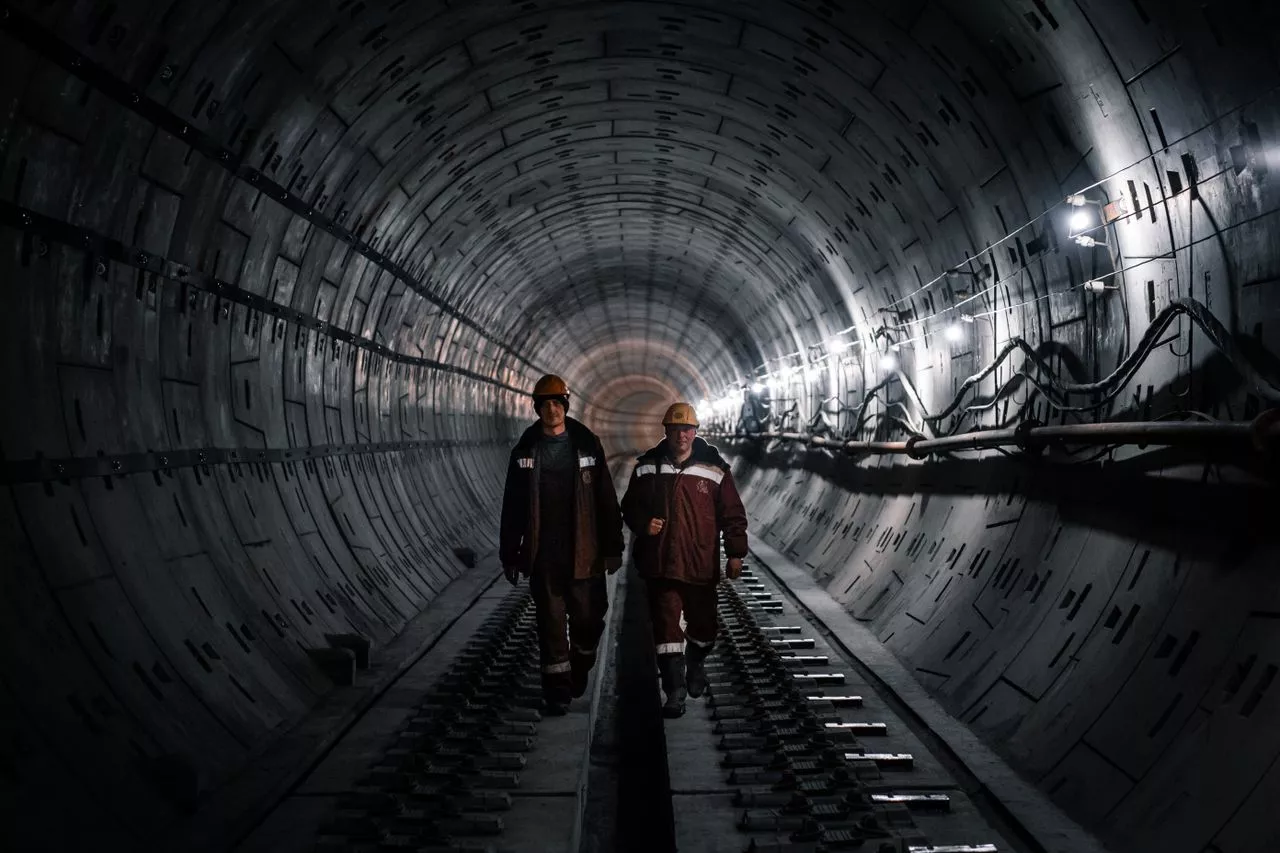
National Grid has reached a major milestone in the construction of a new high-voltage electricity cable tunnel beneath the River Thames, with tunnel boring machine (TBM) Caroline now more than halfway through its planned journey between Tilbury in Essex and Gravesend in Kent. The 2.2-kilometre tunnel is being developed as part of a wider effort to strengthen the UK’s electricity infrastructure and prepare the network for growing demand and the transition toward cleaner sources of power.
TBM Caroline has progressed more than 1.1 kilometres beneath the River Thames, marking the halfway point in the tunnelling phase of the Grain to Tilbury project. The achievement represents a significant step forward in replacing the existing Thames Cable Tunnel, which has served the region since the late 1960s and is approaching the end of its operational life.
The new tunnel is part of National Grid’s Great Grid Upgrade, a major programme designed to modernise and expand the UK’s electricity network. By replacing ageing infrastructure and increasing network resilience, the project is expected to help accommodate additional electricity generation and support the connection of secure, cleaner and domestically produced energy to homes and businesses.
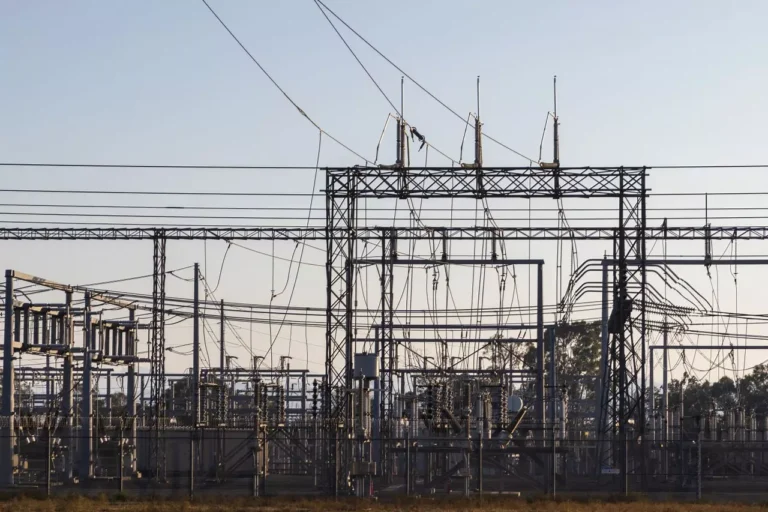
The Thames crossing is particularly important because the existing cable infrastructure has been operating for decades. As electricity demand increases and the UK continues to integrate renewable generation, reliable transmission infrastructure will play an increasingly important role in maintaining a secure electricity supply.
Major Progress Beneath the Thames
Tunnelling began in May, and the project team has made substantial progress beneath one of the UK’s busiest waterways. More than 40,000 tonnes of excavated material have been removed during the operation, while more than 5,100 pre-cast concrete tunnel segments have been installed to create the permanent lining of the new tunnel.
The team has installed just over 840 concrete rings so far. Each ring contributes to the structural integrity of the tunnel and helps create a stable passage for the high-voltage electricity cables that will eventually be installed inside.
Productivity has also continued to improve as the tunnelling operation progresses. The project team has achieved a best daily performance of 29 tunnel rings installed within a 24-hour period, demonstrating the scale and efficiency of the operation.
The work is being carried out using a 464-tonne tunnel boring machine, together with its associated trailing equipment. TBM Caroline uses a specialist Mixshield system that has been selected to deal with the challenging geological conditions beneath the Thames.
Named after pioneering electrical engineer Caroline Haslett, the TBM has been specifically configured to operate safely and efficiently while progressing through the ground beneath the river. Its successful operation is central to the project’s construction programme, as the machine must maintain controlled excavation and tunnel lining installation throughout the crossing.
Replacing Ageing Infrastructure
Once completed, the new tunnel will replace the existing Thames Cable Tunnel, which has been an important part of the local electricity network since the late 1960s. The ageing tunnel is approaching the end of its operational life, making replacement an important component of maintaining long-term network reliability.
The Grain to Tilbury project is intended to provide modern infrastructure capable of supporting the electricity system for decades to come. The new tunnel will provide a secure route for high-voltage cables and help ensure that electricity can continue to flow reliably between key parts of the network.
The investment comes as the UK’s electricity system undergoes significant change. Renewable energy projects, including offshore wind and other large-scale generation developments, are increasing the need for a stronger transmission network. At the same time, electrification across transport, heating and industry is expected to contribute to higher electricity consumption.
Projects such as Grain to Tilbury are therefore becoming increasingly important to the UK’s broader energy transition. Modernising existing transmission infrastructure can help reduce constraints on the network and create additional capacity for future electricity connections.
Innovative Construction Techniques
The halfway milestone follows several other significant achievements on the project. Among them was the launch of Verena, described as Europe’s largest-diameter Vertical Shaft Sinking Machine. The equipment was used to construct the access shafts required at the Tilbury and Gravesend ends of the tunnel.
The use of specialist tunnelling and shaft-construction technology reflects the technical complexity of delivering infrastructure beneath a major river. The project requires careful coordination between excavation, structural engineering, environmental management and electrical infrastructure planning.
The tunnelling operation is being delivered by National Grid in partnership with Ferrovial BEMO JV and tunnelling specialist Herrenknecht. Their combined expertise has supported the project as the TBM has advanced through challenging ground conditions.
Mark Farmer, Project Director at National Grid, described reaching the halfway point beneath the River Thames as an important moment for the Grain to Tilbury project. He highlighted the collaboration between National Grid and its delivery partners and said the progress demonstrates the dedication of the teams involved.
According to Farmer, the project is moving closer to delivering infrastructure designed to strengthen the electricity network and support Britain’s future energy requirements.
Borja Trashorras, Project Director at Ferrovial BEMO JV, also highlighted the significance of the milestone. He said that safely completing more than 1.1 kilometres of tunnelling through complex ground conditions while maintaining productivity and environmental performance demonstrates the strength of the project’s planning, engineering and technology.
The project team will now focus on maintaining progress as TBM Caroline continues its journey beneath the Thames. The machine is expected to continue tunnelling toward its eventual breakthrough later this year.
Ulrich Schaffhauser, Member of the Board at Herrenknecht AG, described the Grain to Tilbury development as a benchmark project, highlighting the combination of specialised technology and professional project execution. He also congratulated the teams working on the site and expressed his support for the safe completion of the remaining tunnel works.
Supporting Britain’s Future Electricity Network
Reaching the halfway point is an important construction milestone, but the project is ultimately focused on a much broader objective: ensuring that the electricity network can meet the UK’s future needs.
As Britain seeks to increase renewable generation and reduce reliance on higher-carbon sources of electricity, transmission infrastructure must evolve alongside the generation mix. New and upgraded high-voltage connections will be required to move electricity efficiently from generation sites to areas of demand.
The new Thames tunnel will form part of that evolving network. By replacing ageing cable infrastructure with a modern underground route, the Grain to Tilbury project is expected to strengthen the resilience of the electricity system while supporting future energy connections.
With more than half of the tunnel now excavated, National Grid and its partners have passed a key stage of construction. The next phase will involve continuing excavation and lining installation until TBM Caroline completes its journey beneath the Thames.
The progress achieved so far demonstrates the scale of the engineering operation and the importance of collaboration between the project partners. As tunnelling continues toward completion, the Grain to Tilbury project is moving closer to delivering a new piece of critical electricity infrastructure that will help support a more secure, flexible and cleaner UK power system.
Source Link: https://www.nationalgrid.com/