

GE Vernova Secures New Wind Turbine Order in Germany
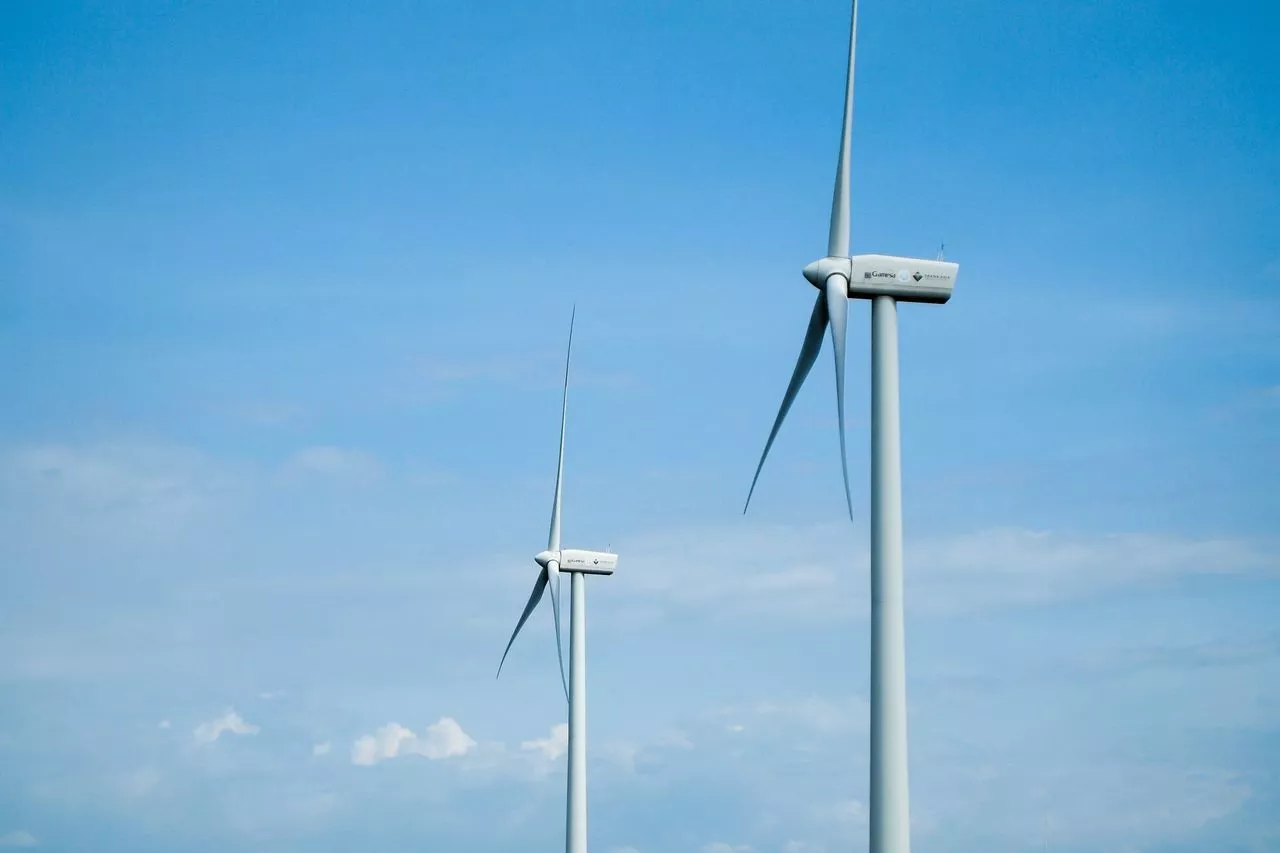
GE Vernova (NYSE: GEV) has signed an agreement with Stadtwerke Heidenheim AG to supply three onshore wind turbines for the Schlotberg-Jüchsen wind farm in Germany. The agreement marks another step in the companies’ ongoing collaboration and supports the expansion of renewable energy generation in the country. The project will use GE Vernova’s 5.5 MW-158m wind turbine technology and includes a long-term service agreement covering a period of 20 years.
The latest order reflects the continued relationship between GE Vernova and Stadtwerke Heidenheim, which have worked together on several wind energy developments in Germany. With this agreement, the number of projects jointly undertaken by the two companies using GE Vernova wind turbines will reach six. The new installation will also increase Stadtwerke Heidenheim’s fleet of GE Vernova turbines to a total installed capacity of 74 MW in Germany.
The three turbines are scheduled for delivery beginning in August 2027, while commissioning is planned for December 2027. The delivery and commissioning schedule is an important part of the project, particularly given the statutory deadlines and earlier delays associated with its development. Both companies are working toward ensuring that the turbines are installed and operational within the required timeframe.
The Schlotberg-Jüchsen project represents another deployment of GE Vernova’s established onshore wind technology in the German market. The selected 5.5 MW-158m turbine model is part of the company’s portfolio of standardized wind energy solutions, designed to support reliable operation and repeatable project execution. Through the agreement, Stadtwerke Heidenheim will also benefit from a 20-year service arrangement intended to provide technical support and maintenance throughout the operating life covered by the contract.
Marcas Breatnach, Executive Sales Leader Northern Europe at GE Vernova, said the company was pleased to continue its long-standing relationship with Stadtwerke Heidenheim. He highlighted the shared commitment of both organizations to supporting a secure and sustainable energy transition through the deployment of established wind turbine technology.
According to Breatnach, GE Vernova’s onshore wind platform includes proven turbine models with power ratings reaching up to 6.5 MW. These machines are supported by extensive operational experience, with the company reporting more than 38 million operating hours and over 2,100 units deployed globally. This experience forms part of the company’s approach to developing and delivering wind energy equipment for different project requirements and operating environments.
Breatnach also emphasized the importance of the company’s manufacturing operations in Salzbergen, Germany. GE Vernova produces its workhorse wind turbine technology at the facility, which plays an important role in supporting its European onshore wind business. Continued investment in the site is intended to strengthen local manufacturing capabilities and contribute to a more resilient supply chain.
The company views domestic manufacturing as an important element of its strategy to support Germany’s renewable energy sector. Producing wind turbines locally can help maintain industrial capabilities, support supply chain continuity and provide customers with access to established equipment and technical expertise. GE Vernova’s investment in Salzbergen also reflects its focus on delivering industrialized technology developed and manufactured in Germany.
For Stadtwerke Heidenheim, selecting a turbine supplier capable of meeting the project’s delivery and execution requirements was a major consideration. The Schlotberg-Jüchsen wind farm has experienced a complex development history, including unexpected delays. As a result, meeting statutory deadlines and maintaining the project’s commercial viability became key priorities for the company.
Raphael Kaim, Head of Renewable Energy at Stadtwerke Heidenheim, explained that securing a dependable project partner was essential to moving the development forward. He noted that the timely construction and commissioning of the turbines were particularly important following the earlier delays.
Kaim said GE Vernova’s ability to offer comparatively short delivery times, combined with its technical capabilities, provided the company with the confidence needed to proceed with the project. The partnership is expected to help Stadtwerke Heidenheim complete the installation within the required schedule while addressing the project’s technical and regulatory requirements.
The 20-year service agreement is another important component of the arrangement. Long-term maintenance and technical support can play a significant role in maintaining turbine availability, managing operational requirements and supporting consistent electricity generation. For wind farm operators, service arrangements extending over several years provide a framework for managing equipment performance and maintenance throughout the project’s operating period.
GE Vernova’s broader onshore wind strategy focuses on standardized and industrialized turbine platforms. The company describes this approach as a workhorse strategy, emphasizing established designs, repeatable manufacturing processes and equipment engineered for long-term reliability. Rather than relying exclusively on customized turbine configurations, the strategy focuses on proven platforms that can be deployed across multiple projects.
The company’s global operating experience supports this approach. GE Vernova reports that more than 59,000 of its wind turbines are operating worldwide. This installed fleet provides operational experience that informs its product development, manufacturing processes and deployment activities. The company uses this experience to improve the design and delivery of equipment intended to meet the requirements of wind energy developers and operators.
Its portfolio includes turbines designed for different wind conditions, project sizes and regional market requirements. The availability of models with varying power ratings allows customers to select equipment according to site characteristics, expected energy production and project development objectives. The 5.5 MW-158m model selected for Schlotberg-Jüchsen is part of this established product offering.
Germany remains an important market for wind energy development as the country continues working toward its renewable electricity and climate objectives. Expanding onshore wind capacity requires cooperation among developers, equipment manufacturers, utilities, service providers and public authorities. Projects such as Schlotberg-Jüchsen contribute to this wider development by adding generating capacity and supporting the continued deployment of wind technology.
The agreement also demonstrates the importance of established supplier relationships in delivering renewable energy infrastructure. For Stadtwerke Heidenheim, the new order builds on previous projects with GE Vernova, while the manufacturer gains another opportunity to deploy its technology in the German market.
With turbine deliveries expected to begin in August 2027 and commissioning targeted for December 2027, the companies will focus on coordinating the remaining project activities to meet the planned schedule. The combination of three 5.5 MW turbines, a 20-year service agreement and GE Vernova’s manufacturing capabilities in Germany forms the basis of the latest collaboration.
Through the Schlotberg-Jüchsen wind farm, GE Vernova and Stadtwerke Heidenheim are continuing their cooperation on onshore wind development while contributing to Germany’s renewable energy expansion.
Source Link: https://www.businesswire.com/