

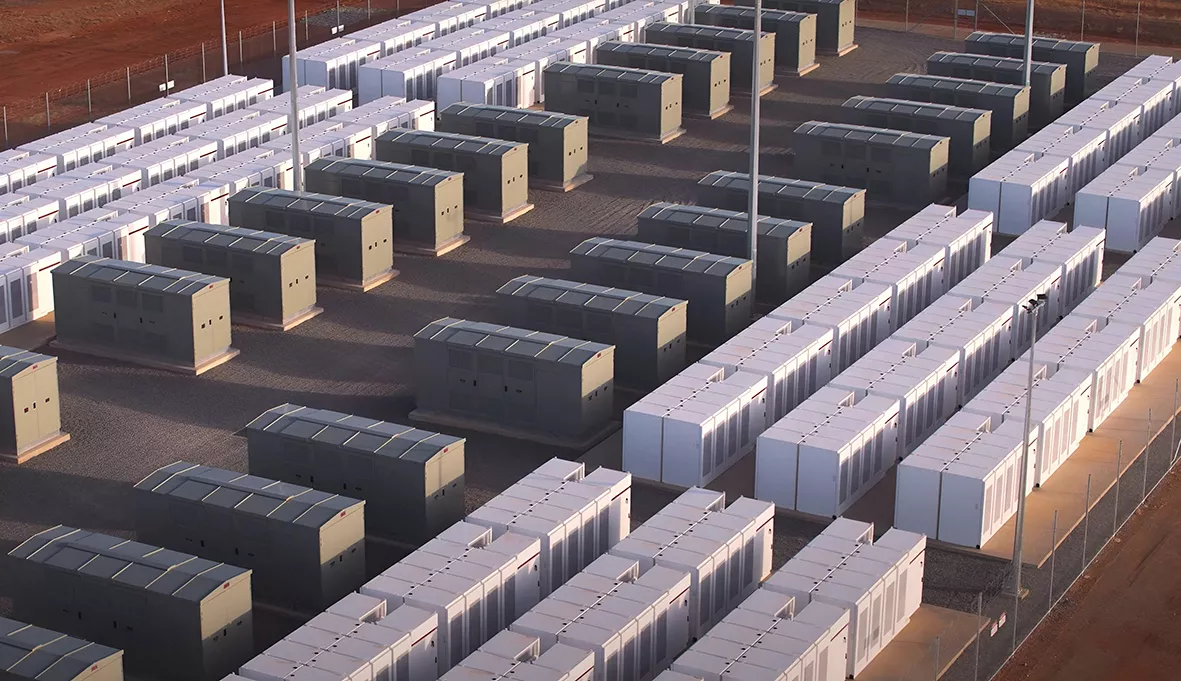
GE Vernova Expands Role in Australia’s Supernode Battery Storage Project
GE Vernova (NYSE: GEV) has been selected by Quinbrook to support the third stage of the Supernode Battery Energy Storage System (BESS) project in Queensland, Australia. The agreement expands GE Vernova’s involvement across the entire Supernode development, making the company a technology provider for all three stages of one of Australia’s largest battery energy storage projects.
Under the latest contract, GE Vernova will supply power conversion, plant control, system integration and grid-connection technologies for Stage 3. The company’s technology is already being used in Stages 1 and 2, which are fully operational and rank among the largest battery energy storage facilities operating within Australia’s National Electricity Market.
Once Stage 3 is completed, the Supernode project will provide an additional 260 MW of power capacity and 1,216 MWh of energy storage. The new stage is designed as a four-hour battery storage facility. Across all three stages, Supernode is expected to reach a total capacity of 780 MW and 3,075 MWh of storage at a single location.
The scale of the project reflects the growing importance of battery energy storage in Australia’s rapidly changing electricity system. As renewable generation from solar and wind continues to expand, large-scale batteries can provide flexibility by storing electricity when generation is plentiful and delivering it when demand rises or renewable output declines.
Supernode is strategically located within Queensland’s electricity transmission network, positioning the project to support the state’s transition toward a power system with a greater share of renewable generation. Its location is expected to allow the facility to respond to changing grid conditions while helping balance electricity supply and demand.
Battery storage can perform several functions in modern power systems. During periods of high renewable generation, batteries can absorb excess electricity and store it for later use. When demand increases, or renewable generation falls, stored electricity can be dispatched to the grid. This flexibility can reduce pressure on transmission infrastructure and improve the ability of the electricity system to accommodate variable renewable resources.
The first two stages of Supernode have already entered full operation using GE Vernova technology. The company’s expanded role in Stage 3 will bring its power conversion and grid-control capabilities to the next phase of the project.
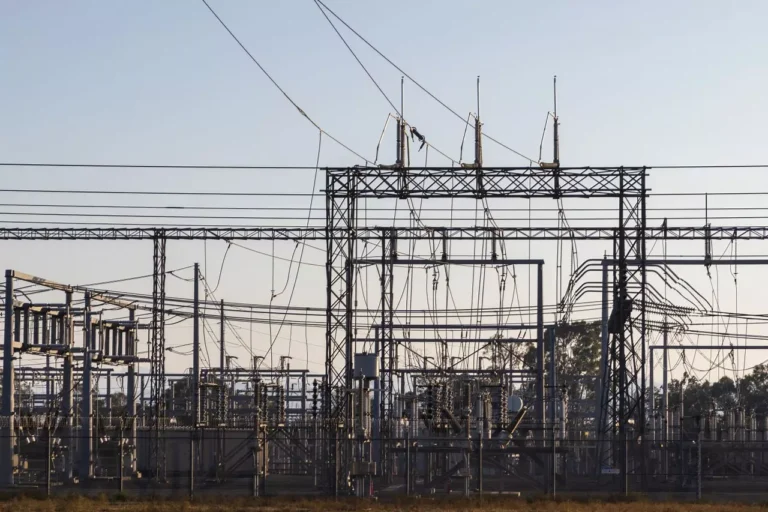
For Stage 3, GE Vernova will provide a comprehensive package covering the power conversion system, plant controls, system integration and grid-connection support. These technologies are designed to coordinate the battery system with the wider electricity network and enable it to respond effectively to grid requirements.
An important milestone has already been reached, with Stage 3 receiving Generator Performance Standards (GPS) acceptance. The approval represents a significant step in the grid-connection process for the project.
Generator Performance Standards establish the technical performance requirements that a generation or energy storage facility must meet when connecting to Australia’s National Electricity Market. Meeting these standards demonstrates that the project has addressed key technical requirements associated with its connection and operation within the electricity system.
According to GE Vernova, the company’s engineering and integration capabilities played an important role in helping Stage 3 reach the GPS acceptance milestone.
“Battery storage is becoming part of the operating foundation of modern electricity systems,” said Ed Torres, Business Leader, Power Conversion & Storage, within GE Vernova’s Electrification segment.
Torres said Supernode demonstrates the potential of combining large-scale storage with power conversion and intelligent control technologies. He also highlighted the project’s grid-forming capabilities and GE Vernova’s ability to support complex battery projects operating within Australia’s demanding grid-connection environment.
The company said its continued involvement with Supernode also strengthens its relationship with Quinbrook and provides an opportunity to deploy grid-forming technology in the Australian market.
Grid-forming technology is increasingly being considered an important tool for electricity systems with high levels of inverter-based renewable generation. Unlike traditional grid-following systems, grid-forming technology can help batteries contribute more actively to maintaining grid stability.
The technology can enable battery systems to provide functions traditionally associated with conventional power generation, including frequency support and system-strength services. As coal- and gas-fired generation gradually changes its role in electricity markets, these capabilities can become increasingly valuable for maintaining reliable grid operation.
Quinbrook also emphasized that Supernode was conceived as more than a conventional battery storage facility.
“From the outset, Supernode was designed as more than just a battery storage project,” said James Allan, Senior Director at Quinbrook. He noted that the project’s position within Queensland’s transmission network gives it strategic importance as the state’s electricity system continues to transition.
The Supernode site also has potential for future expansion. According to Quinbrook, the location has capacity for an additional 520 MW of development. Potential future uses could include additional battery storage, data centers or a combination of the two.
The ability to accommodate additional energy infrastructure could make the site increasingly important as electricity demand grows. Data centers, industrial facilities and other large electricity consumers are placing greater demands on power networks, while renewable generation is expanding across Australia.
Quinbrook described opportunities to develop infrastructure at the scale of Supernode and in such a strategically connected location as relatively rare.
The project therefore combines several major trends shaping the energy industry: increasing renewable generation, the need for flexible grid resources, large-scale battery deployment and rising electricity demand from new infrastructure.
For GE Vernova, the Supernode agreement further demonstrates the company’s focus on battery storage technologies and grid modernization. Its BESS portfolio combines power conversion, controls and system integration capabilities designed to help customers manage electricity, provide grid services and integrate renewable generation.
Large-scale energy storage is becoming increasingly important as electricity markets adapt to higher levels of variable renewable energy. Batteries can respond quickly to changes in electricity demand and supply, allowing grid operators and asset owners to manage fluctuations while supporting reliability.
The completion of Supernode’s third stage will significantly increase the amount of battery storage available at the site. With 780 MW of total capacity and 3,075 MWh of storage planned across the three stages, the development is positioned to become a major energy storage asset within Queensland’s electricity system.
GE Vernova’s involvement across all three stages also provides continuity in power conversion, controls and integration technology throughout the development. The partnership with Quinbrook demonstrates how large-scale battery projects can combine storage capacity with advanced grid-support capabilities to address the technical challenges associated with Australia’s energy transition.
With Stage 3 having already achieved GPS acceptance, the project has cleared a key technical milestone as it moves toward further development and deployment. Once operational, the additional 260 MW and 1,216 MWh of storage will strengthen Supernode’s ability to store electricity and respond to changing conditions across Queensland’s power system.
The expansion illustrates the broader evolution of battery energy storage from a standalone electricity asset into an increasingly important component of modern grid infrastructure. Through technologies such as advanced power conversion, intelligent controls and grid-forming systems, projects like Supernode are being designed not only to store energy but also to provide services that help support the stability and flexibility of increasingly renewable electricity networks.
Source Link: https://www.gevernova.com/