

Baltic Power Delivers First Electricity to Poland’s Grid, Marking Historic Offshore Wind Milestone
Poland has reached a landmark moment in its energy transition as electricity generated by the Baltic Power offshore wind farm has officially entered the country’s national power grid for the first time. The achievement represents a major breakthrough for the Polish energy sector and marks one of the final stages in the development of the nation’s first offshore wind farm in the Baltic Sea.
The first flow of electricity from Baltic Power signals the beginning of a new era for renewable energy in Poland. It also demonstrates the country’s growing capabilities in large-scale offshore wind development and underlines its commitment to strengthening energy security while reducing dependence on conventional power generation sources.
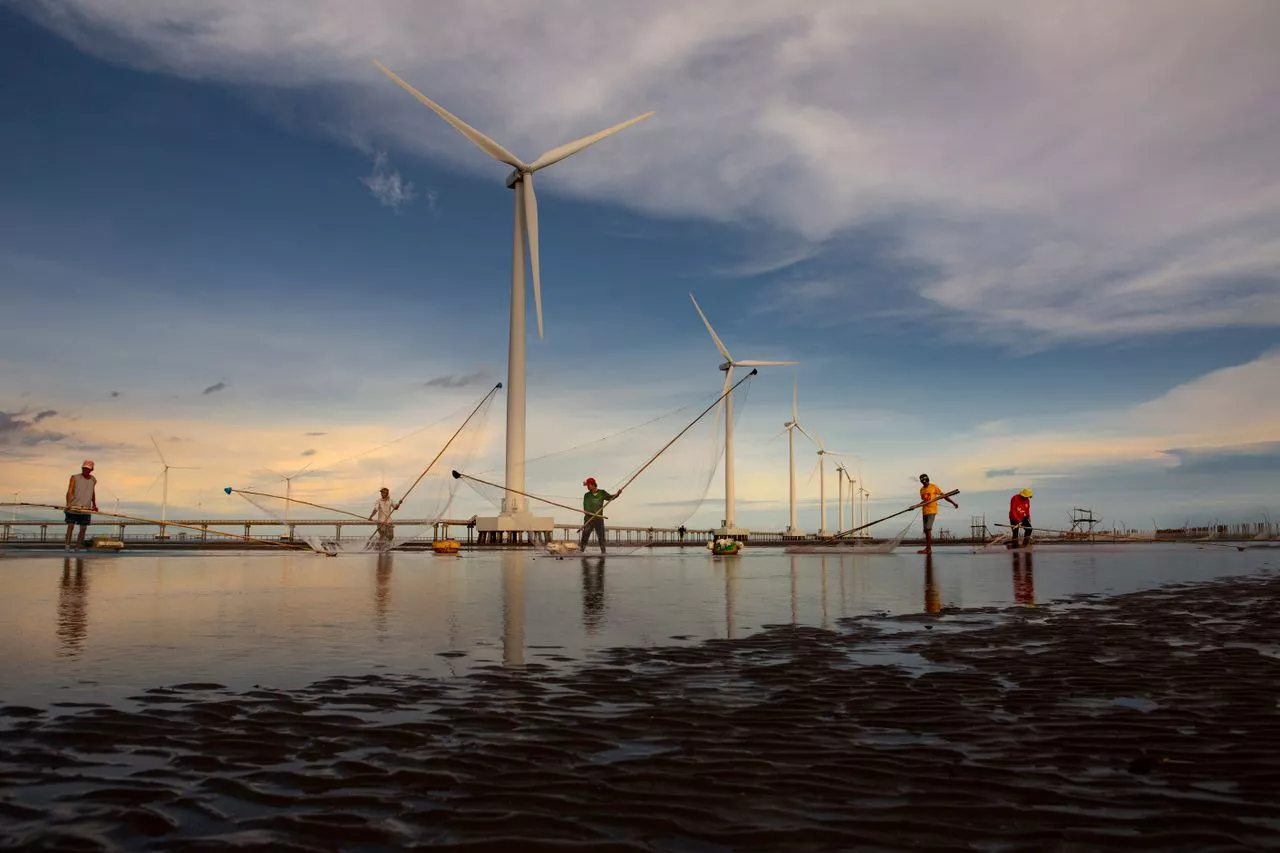
Baltic Power, a flagship offshore renewable energy project, has made significant progress in recent months. Of the total 76 wind turbines planned for the facility, 54 have already been installed at sea. The first turbine has now begun generating electricity, initiating the phased commissioning process that will eventually lead to full commercial operations. Construction activities are expected to be completed during the autumn of this year.
Commenting on the milestone, Ireneusz Fąfara, Chief Executive Officer and President of the Management Board of ORLEN, highlighted the strategic significance of the project for both Poland’s energy system and its broader economy.
According to Fąfara, ORLEN is currently implementing the largest investment programme in the history of Poland’s energy sector, with total spending projected to reach approximately PLN 380 billion. He emphasized that Baltic Power demonstrates the company’s ability to deliver ambitious energy projects efficiently and on schedule.
He noted that offshore construction activities only began at the start of 2025, yet electricity is already being delivered to the national grid. In his view, the project represents the future of energy development—large-scale investments capable of improving energy security, supporting stable electricity prices and creating long-term economic benefits.
Fąfara also stressed that Baltic Power will provide value far beyond electricity generation alone. The project is helping establish a new industrial sector in Poland, while simultaneously creating a domestic offshore wind supply chain and building expertise that will remain in the country for decades.
The achievement of the “First Power” milestone means that the project has entered an important commissioning phase. During the coming weeks, additional turbines will be gradually activated and subjected to extensive testing procedures. Importantly, electricity generated during these commissioning activities will continue to be supplied directly to Poland’s power network, allowing Polish households to begin benefiting from offshore wind energy even before the project reaches full operational status.
At the same time, comprehensive testing and validation of the entire infrastructure network are being carried out. This includes the offshore wind turbines, offshore substations, onshore electrical infrastructure and sophisticated control systems that will ensure efficient and reliable operation of the wind farm.
As more turbines become operational, the project’s generation capacity will steadily increase until it reaches its planned capacity of approximately 1.2 GW. This commissioning process is particularly significant because it represents the first operation of its kind ever undertaken in Poland, providing valuable experience for future offshore wind developments in the country.
Construction progress at Baltic Power continues to advance rapidly. The installation campaign has now exceeded 22% completion, with major elements of the project already in place. In addition to the 54 turbines installed offshore, all inter-array and export cables have been laid successfully.
The extensive cable network spans approximately 350 kilometres and forms the critical infrastructure required to transmit electricity generated offshore to Poland’s mainland grid. Furthermore, both offshore substations have already been installed, creating the necessary electrical backbone for the project.
Onshore infrastructure development has also reached completion. The onshore substation located in the municipality of Choczewo is fully prepared and ready to support the integration of offshore electricity generation into the national energy system.
The scale and complexity of the project are reflected in the extensive marine operations taking place in the Baltic Sea. Several dozen specialized vessels are currently operating within the project area, carrying out installation activities, conducting testing procedures and performing inspections and acceptance processes for successive components of the wind farm.
The Baltic Power maintenance and service base located in Łeba has been operational since last year and currently serves as a key support center for construction activities. Once the wind farm enters commercial operation, the facility will become responsible for operating and maintaining the offshore installation for approximately three decades.
The Łeba facility also houses the Offshore Coordination Centre, which oversees and manages maritime traffic associated with the project. The development has already involved an enormous logistical effort, with more than 100 vessels and over 5,300 crew members, specialists and contractors participating in various stages of construction and installation activities.
Upon completion, Baltic Power will consist of 76 advanced offshore wind turbines, each featuring an installed capacity of 15 MW. Together, these turbines will deliver a total installed capacity of around 1.2 GW, making Baltic Power one of the most significant renewable energy projects in Central and Eastern Europe.
The wind farm is expected to generate approximately 4 TWh of electricity annually. This level of production will account for roughly 3% of Poland’s current electricity demand and provide enough clean energy to meet the annual consumption needs of more than 1.5 million households.
Located approximately 23 kilometres offshore near Choczewo and Łeba, the project covers an area of around 130 square kilometres in the Baltic Sea. Baltic Power utilizes some of the world’s most advanced offshore wind technologies, including next-generation turbines equipped with nacelles manufactured in Poland, further supporting domestic industrial development and local manufacturing capabilities.
Beyond its contribution to energy security and economic growth, Baltic Power is expected to deliver significant environmental benefits. The project is projected to reduce carbon dioxide emissions by up to 2.8 million tonnes annually when compared with conventional fossil fuel-based electricity generation.
This substantial reduction in greenhouse gas emissions will contribute meaningfully to Poland’s climate objectives and support broader European efforts to accelerate decarbonization and expand renewable energy capacity.
As commissioning activities continue, additional inspections and performance assessments will be conducted across the entire project infrastructure. The project must also obtain the necessary occupancy permits and complete certification procedures conducted by independent auditors.
These regulatory and administrative processes are themselves historic, as they represent the first procedures of their kind for an offshore wind project in Poland. Following the completion of construction and certification activities, the final step before full commercial operation will be securing an electricity generation licence from Poland’s Energy Regulatory Office.
The successful delivery of first power from Baltic Power therefore marks far more than the commissioning of a single wind turbine. It represents the beginning of Poland’s offshore wind industry, a major step toward a cleaner and more secure energy future, and the foundation for a new industrial ecosystem that is expected to create lasting economic, technological and environmental benefits for decades to come.
Source Link: https://www.orlen.pl/