

Ameresco Teams Up with Montgomery County Schools on Solar Project
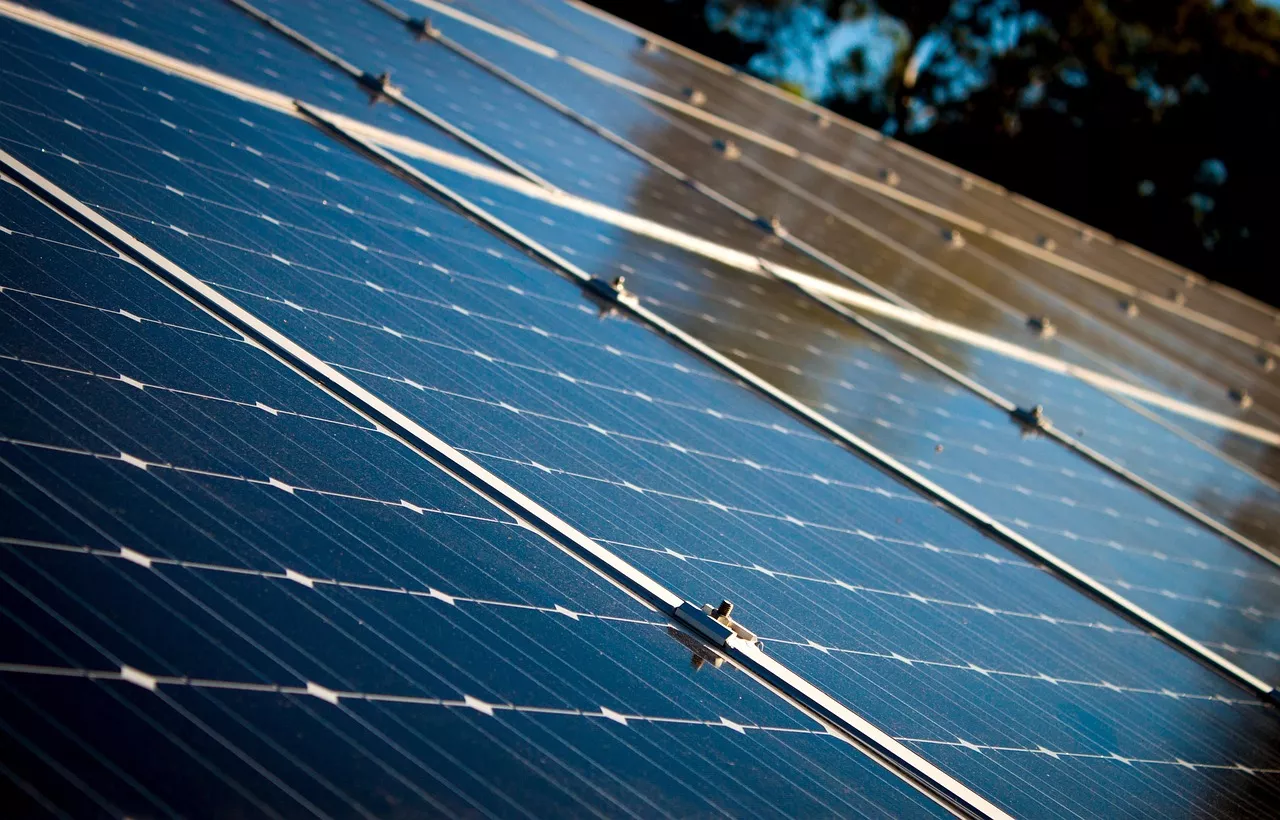
Ameresco, a leading provider of energy infrastructure solutions, has taken another significant step in advancing clean energy adoption in the education sector through its partnership with Montgomery County Public Schools (MCPS). The two organizations recently celebrated the successful completion and activation of new rooftop solar installations at two schools—Dr. Martin Luther King, Jr. Middle School and Germantown Elementary School—marking a milestone in their broader sustainability and energy efficiency collaboration.
The ribbon-cutting ceremonies, held at both campuses, symbolized more than just the launch of new renewable energy assets. They reflected a shared commitment to reducing environmental impact, lowering energy costs, and creating educational opportunities for students to engage with real-world clean energy technologies. The installations are now fully operational, contributing renewable power directly to the schools’ energy needs while supporting Montgomery County’s ambitious climate and sustainability objectives.
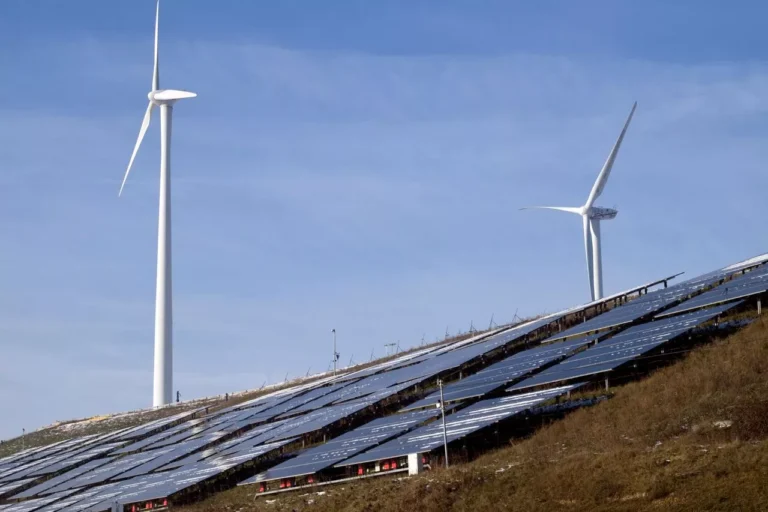
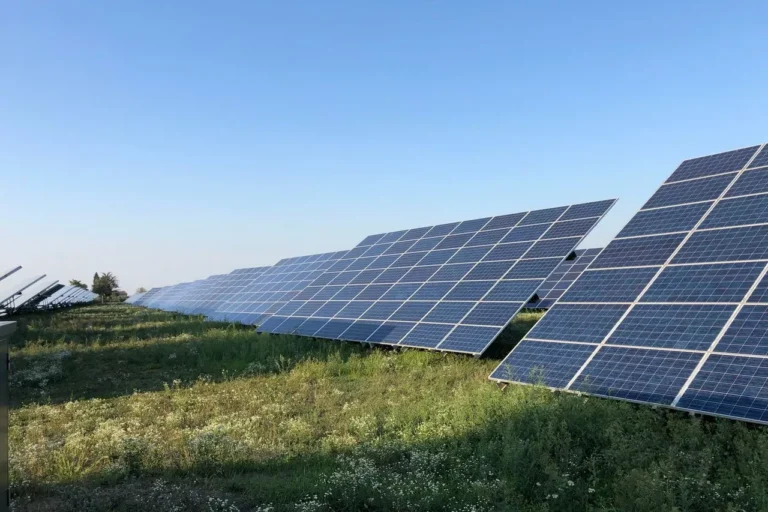
The newly installed solar arrays represent a combined capacity of over 800 kilowatts of direct current (kW DC). Specifically, the system at Dr. Martin Luther King Jr. Middle School has a capacity of approximately 558.14 kW DC, while the installation at Germantown Elementary School adds another 244.26 kW DC. Together, these systems are projected to generate close to one million kilowatt-hours (kWh) of electricity annually. This level of production is expected to deliver meaningful utility cost savings for the district while also reducing reliance on conventional energy sources.
Beyond the immediate financial and environmental benefits, the solar projects are part of a much larger initiative designed to modernize school infrastructure across the district. The installations fall under a comprehensive $23 million energy savings performance contract (ESPC) between Ameresco and MCPS. This district-wide program spans 25 schools and is aimed at improving energy efficiency, enhancing building performance, and increasing resilience through a combination of advanced technologies.
The ESPC model enables school districts to implement large-scale upgrades without requiring significant upfront capital investment. Instead, the cost of improvements is offset over time through the energy savings generated by the upgrades. In this case, the initiative includes not only rooftop solar systems but also a wide range of energy efficiency measures such as LED lighting retrofits, advanced energy management systems, and intelligent building controls. These technologies work together to optimize energy consumption, reduce waste, and ensure that facilities operate at peak efficiency.
According to project estimates, the broader initiative is expected to deliver annual electricity savings exceeding 5.9 million kWh. In environmental terms, this translates to a reduction of approximately 2,000 metric tons of carbon dioxide (CO₂) emissions each year. These reductions align closely with Montgomery County’s Climate Action Plan, which seeks to lower greenhouse gas emissions across all sectors and transition the community toward a more sustainable and resilient future.
School leaders have emphasized that the impact of these projects extends far beyond energy metrics. Brandi K. Overton, principal of Dr. Martin Luther King, Jr. Middle School, highlighted the symbolic and educational significance of the solar installation. She noted that while the future is often viewed as something distant and abstract, projects like these demonstrate that it is actively being built in the present. By utilizing available resources such as rooftop space, schools can become hubs of innovation and sustainability.
Overton described the solar installation as more than a technical upgrade, calling it a commitment to a cleaner, smarter way of living. She encouraged the school community to take pride in the initiative and to see it as a reflection of their collective responsibility toward environmental stewardship. Her remarks underscored the role of educational institutions not only as places of learning but also as leaders in adopting and demonstrating sustainable practices.
From Ameresco’s perspective, the partnership represents an opportunity to deliver both infrastructure improvements and educational value. Peter Christakis, Chief Operating Officer at Ameresco, emphasized that projects of this scale go beyond cost savings and emissions reductions. He pointed out that integrating renewable energy systems into schools creates a living laboratory where students can observe and understand how clean energy technologies function in real time.
This educational component was a key feature of the ribbon-cutting events. Students, teachers, and community members were invited to participate in interactive activities designed to showcase the capabilities of the new solar systems. Live demonstrations of solar performance dashboards allowed attendees to see how much energy was being generated at any given moment, providing a tangible connection between the technology and its impact. Additionally, participants had the opportunity to engage directly with engineers, ask questions, and learn more about the science and engineering behind solar power.
Such hands-on experiences are increasingly important as the global energy landscape continues to evolve. By exposing students to renewable energy technologies at an early age, schools can help cultivate a generation that is more informed about sustainability challenges and better prepared to contribute to solutions. This aligns with broader educational goals of fostering critical thinking, innovation, and environmental awareness.
The partnership between Ameresco and MCPS also reflects a growing trend among school districts across the United States to invest in clean energy and energy efficiency. Rising energy costs, combined with increasing pressure to reduce carbon footprints, are driving schools to explore solutions that deliver both economic and environmental benefits. Energy savings performance contracts, in particular, have emerged as a practical mechanism for achieving these goals without placing additional financial strain on public budgets.
In Montgomery County, the initiative is part of a long-term strategy to create healthier and more sustainable learning environments. Improved lighting, better temperature control, and enhanced air quality all contribute to a more comfortable and productive setting for students and staff. At the same time, the integration of renewable energy systems helps the district reduce its environmental impact and demonstrate leadership in climate action.
As the solar arrays at Dr. Martin Luther King, Jr. Middle School and Germantown Elementary School begin generating clean energy, they serve as visible symbols of progress and possibility. They illustrate how infrastructure investments can deliver multiple benefits—from cost savings and emissions reductions to educational enrichment and community engagement.
Looking ahead, the success of these projects may pave the way for additional renewable energy initiatives within the district and beyond. By combining technical expertise, innovative financing models, and a commitment to sustainability, Ameresco and Montgomery County Public Schools have created a blueprint for how educational institutions can play a central role in the transition to a cleaner energy future.
Ultimately, the collaboration demonstrates that meaningful change often begins at the local level. Through strategic partnerships and forward-thinking investments, schools can become powerful drivers of sustainability—helping to shape not only the environments in which students learn, but also the broader communities in which they live.
Source Link: https://www.businesswire.com/