

Iberdrola Advances Noronha Verde Project with First Solar Installations in Brazil
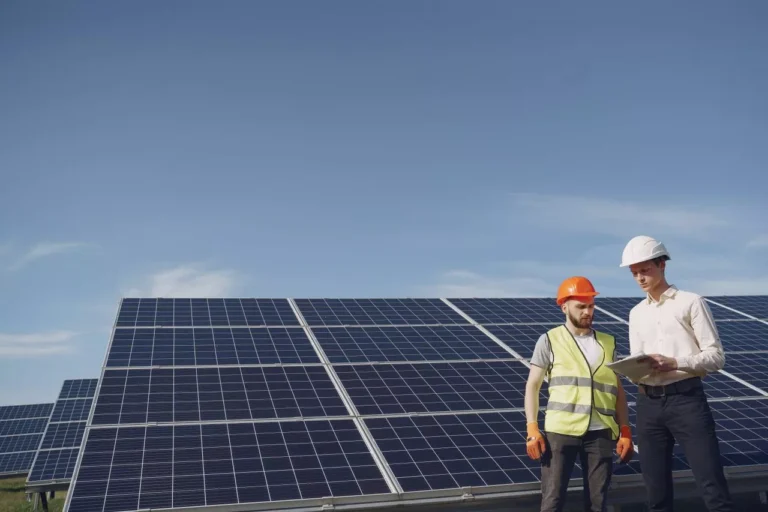
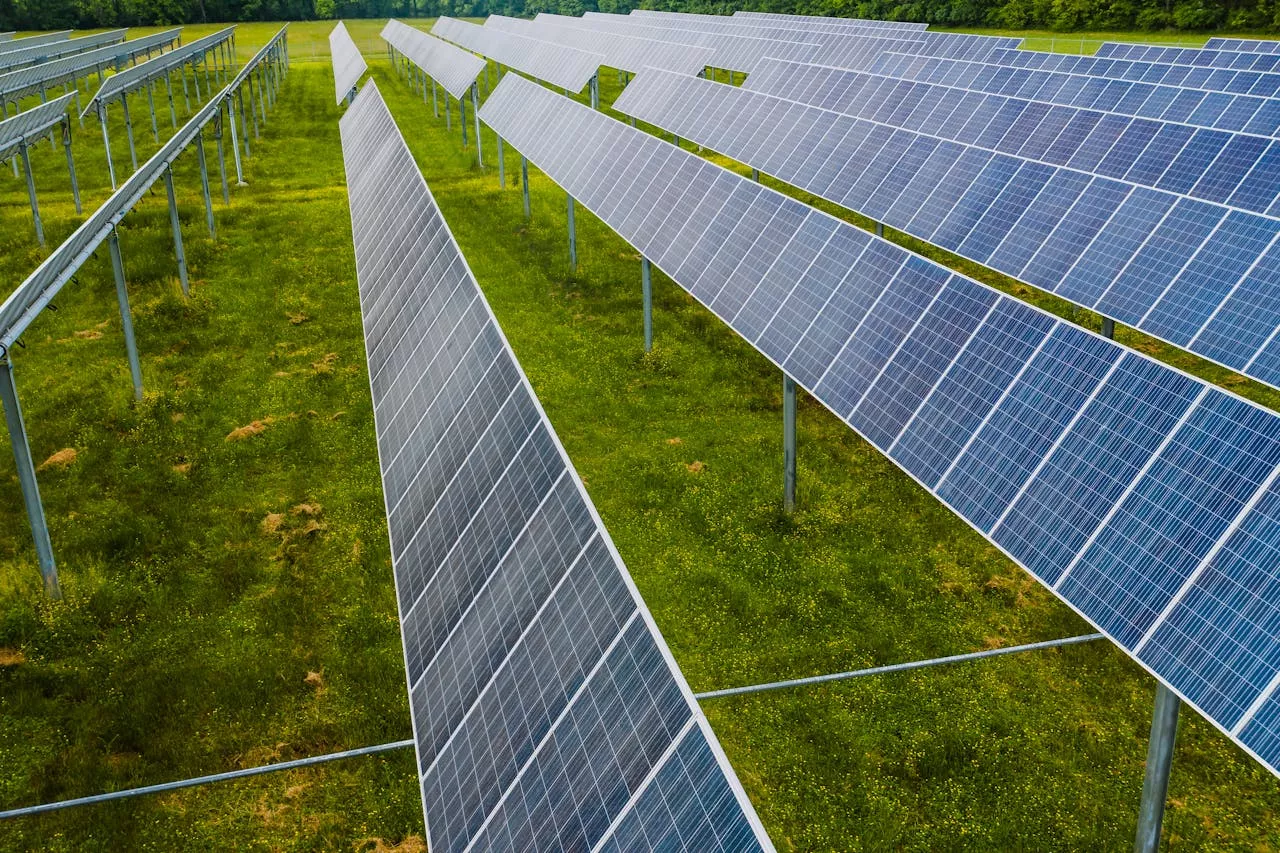
Iberdrola has completed the first phase of the ambitious Noronha Verde project in Brazil’s Fernando de Noronha archipelago, marking a major milestone in the transformation of the island into one of Latin America’s most sustainable energy systems. Through its Brazilian subsidiary Neoenergia, the energy group has already installed 4,800 solar panels and started testing operations to connect renewable electricity generation to the island’s power grid.
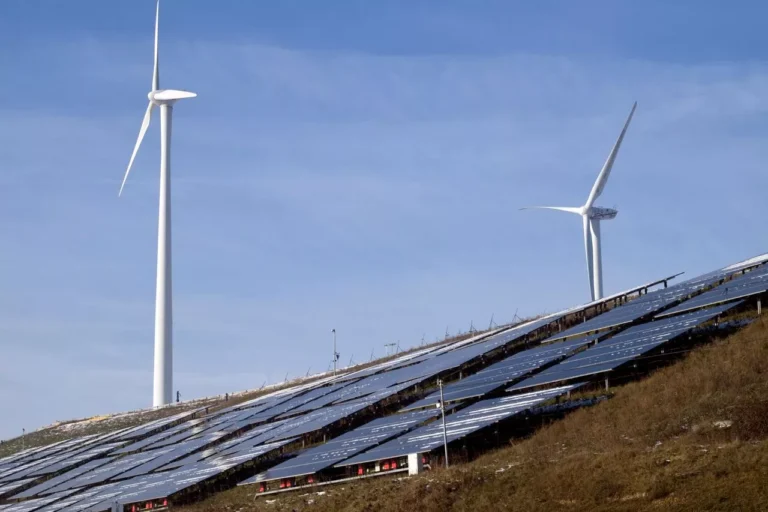
The completion of this initial phase represents approximately 15% of the project’s total planned solar installations. Once fully developed, Noronha Verde is expected to become the first inhabited oceanic island in Latin America to operate with a highly sustainable and integrated renewable energy model that combines solar generation, battery storage, electrification and smart grid technologies.
The initiative is considered one of the most innovative clean energy projects currently underway in Brazil. Located in the environmentally sensitive Fernando de Noronha archipelago, the development is designed not only to reduce carbon emissions but also to improve energy reliability and reduce the island’s historical dependence on imported fossil fuels.
Fernando de Noronha, a volcanic archipelago situated off the northeastern coast of Brazil, is internationally recognized for its unique biodiversity, pristine beaches and protected ecosystems. The islands are designated as a UNESCO Natural Heritage of Humanity site, making sustainability and environmental preservation essential considerations for any infrastructure development. Against this backdrop, the Noronha Verde project has been designed with a strong emphasis on balancing renewable energy expansion with ecological protection.
The project represents a total investment of approximately 350 million Brazilian reais, equivalent to more than €50 million. Iberdrola and Neoenergia expect the entire development to be completed by the end of 2026. When finalized, the project will include more than 30,000 solar panels installed across the archipelago.
The large-scale solar deployment will significantly expand renewable electricity generation capacity on the island. According to the companies involved, the future solar plant will reach an installed capacity of 22 megawatts peak (MWp). In addition to solar generation, the project will include advanced battery energy storage systems capable of storing up to 49 megawatt-hours (MWh) of electricity.
The integration of battery storage technology is one of the key components that differentiates Noronha Verde from traditional solar projects. Since solar energy production fluctuates depending on sunlight availability, storage systems are essential for maintaining a stable electricity supply during nighttime hours or periods of lower solar generation. The batteries will help stabilize the island’s power grid, improve energy security and maximize the use of renewable electricity.
The combination of solar power and battery storage is expected to generate enough electricity to meet consumption equivalent to around 9,000 homes. This is particularly significant given the isolated nature of Fernando de Noronha, where energy infrastructure has historically relied heavily on biodiesel-powered generation systems.
Currently, much of the island’s electricity demand is met through diesel and biodiesel generation, which requires fuel transportation from the mainland. This dependence on fossil fuels increases operational costs and creates environmental challenges associated with fuel transport, storage and combustion emissions. By replacing a substantial portion of this generation with renewable energy, the Noronha Verde project aims to drastically reduce greenhouse gas emissions while also improving long-term energy resilience.
The project also supports broader energy transition goals in Brazil, where renewable energy already plays a major role in electricity generation. Brazil is internationally recognized for its extensive use of hydropower, wind and solar resources, but isolated communities and island systems still often rely on thermal generation. Projects such as Noronha Verde demonstrate how hybrid renewable systems can be used to decarbonize remote locations while maintaining reliable power supplies.
The initiative was officially presented in November during an event attended by Ignacio Galán and Brazil’s Minister for Mines and Energy Alexandre Silveira. The project reflects a collaborative effort between the private sector and public institutions to accelerate sustainable development and clean energy adoption in Brazil.
Noronha Verde is being developed in partnership with Brazil’s Federal Government and the Government of the State of Pernambuco. The project forms part of the broader Mais por Noronha programme, an initiative focused on promoting electrification, renewable energy integration and sustainable mobility solutions across the island.
Beyond utility-scale solar generation, the programme includes several complementary initiatives designed to create a comprehensive clean energy ecosystem in Fernando de Noronha. These measures include the installation of rooftop solar systems in residential properties and tourism accommodations, helping local consumers generate their own renewable electricity through distributed microgeneration.
The programme also includes the expansion of electric vehicle infrastructure across the island. Charging stations are being developed to support the adoption of electric mobility solutions, reducing reliance on gasoline and diesel-powered transportation. This is particularly relevant for Fernando de Noronha, where environmental preservation and sustainable tourism are central priorities.
In addition, the project includes the deployment of smart electricity grids, which use advanced digital technologies to optimize energy distribution and consumption. Smart grids improve efficiency by enabling better monitoring of electricity flows, reducing system losses and facilitating the integration of distributed renewable energy resources.
The integration of these technologies positions Fernando de Noronha as a model for sustainable island development not only in Brazil but across Latin America. Islands and remote communities worldwide face similar energy challenges, including fuel dependency, high electricity costs and grid instability. The Noronha Verde project demonstrates how renewable energy, storage systems and smart infrastructure can work together to create cleaner and more resilient energy systems.
For Iberdrola and Neoenergia, the project also reinforces their broader commitment to renewable energy investment and decarbonization. Iberdrola has become one of the world’s leading renewable energy companies, with significant investments in wind, solar, grid modernization and battery storage across multiple international markets.
Neoenergia, meanwhile, has expanded its renewable energy portfolio throughout Brazil, investing in wind farms, solar facilities and transmission infrastructure. The company continues to play a major role in supporting Brazil’s clean energy transition while helping modernize the country’s electricity network.
As construction continues toward the project’s completion in 2026, the first operational phase already signals important progress toward transforming Fernando de Noronha into a low-carbon energy hub. The initial installation of 4,800 solar panels and the start of grid testing mark the beginning of what could become one of the region’s most important renewable energy showcases.
Once fully operational, Noronha Verde is expected to significantly reduce fossil fuel consumption, lower emissions and provide a cleaner and more sustainable energy future for the island’s residents and visitors. The project may also serve as a blueprint for future renewable energy developments in remote and environmentally sensitive regions worldwide.
Source Link: https://www.iberdrola.com/