

Avangrid and Puget Sound Energy Expand Renewable Partnership With Big Horn I Wind Project Agreement
Avangrid, a major sustainable energy developer and member of the Iberdrola Group, has announced a new long-term Power Purchase Agreement (PPA) with Puget Sound Energy (PSE) for the Big Horn I wind project located in Klickitat County, Washington. The agreement marks another significant step in the companies’ long-standing collaboration to strengthen renewable energy infrastructure in the Pacific Northwest while supporting Washington state’s ambitious clean energy objectives.
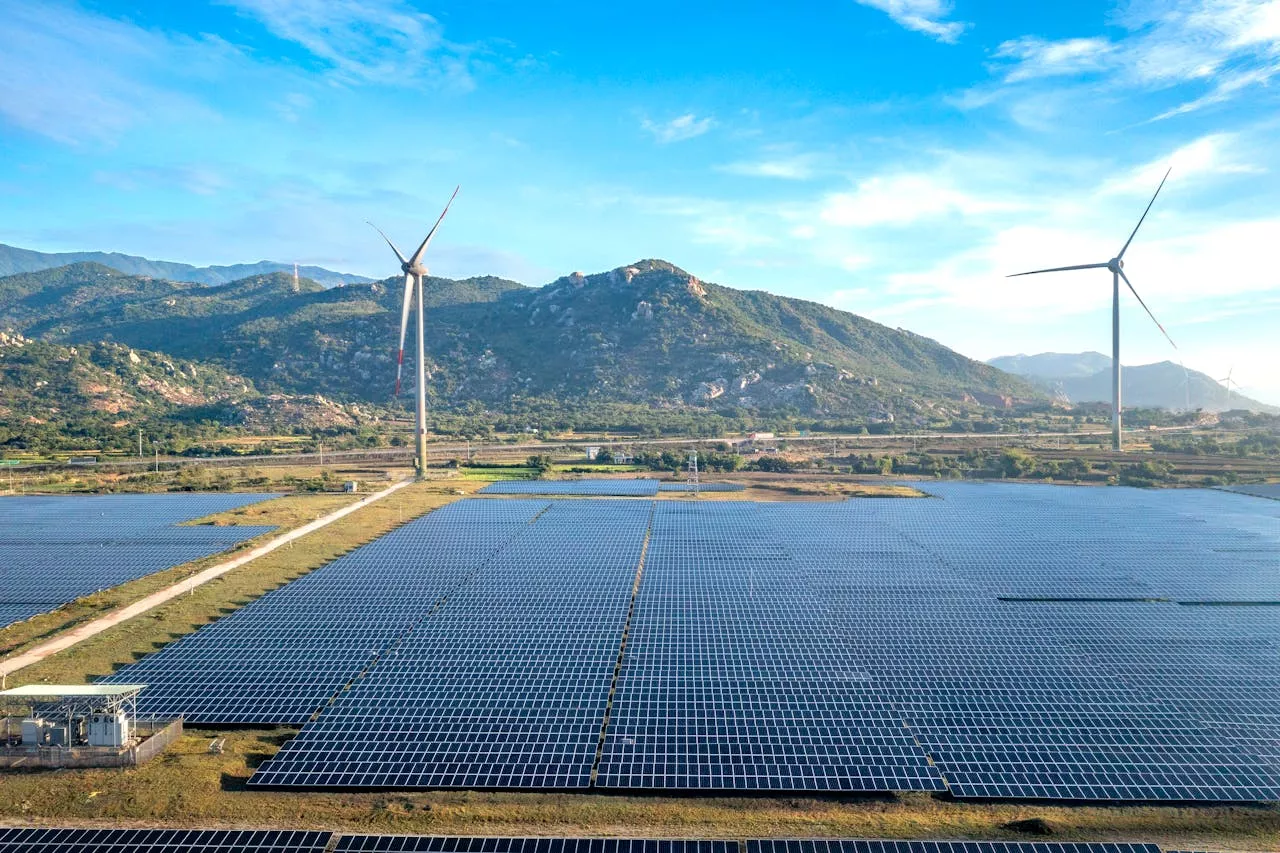
The Big Horn I wind facility has a nameplate generation capacity of 199.5 megawatts (MW), enough renewable electricity to power approximately 70,000 homes annually. The project reinforces the growing demand for dependable clean energy resources across the region and demonstrates how utilities and developers are working together to modernize the electric grid with long-term renewable solutions.
This latest agreement represents the fourth PPA executed between Avangrid and PSE for renewable projects in the Pacific Northwest, further deepening a partnership that has already contributed substantial wind generation capacity across Oregon and Washington. The collaboration reflects the increasing importance of long-term renewable energy procurement strategies as utilities seek reliable sources of carbon-free electricity to meet future demand growth and state climate mandates.
According to Avangrid leadership, the company has maintained a strong commitment to investing in Washington state for more than two decades. During that time, the company has developed and operated renewable energy facilities designed to provide dependable electricity while also creating economic opportunities for rural communities throughout the region.
Jose Antonio Miranda, Chief Executive Officer of Avangrid, stated that the agreement continues the company’s long-term strategy of supporting regional energy needs while maintaining strong local economic benefits. He emphasized that the partnership with PSE ensures the Big Horn I facility will continue delivering reliable renewable electricity for years to come while sustaining employment opportunities and generating tax revenues for the surrounding community.
Miranda also highlighted the broader significance of extending the life of existing renewable energy infrastructure. Rather than building entirely new facilities from the ground up, upgrading established wind projects can provide a cost-effective way to preserve renewable generation capacity, improve operational efficiency, and maximize the value of existing transmission connections and site infrastructure.
Puget Sound Energy also underscored the strategic value of the agreement as Washington continues implementing some of the most aggressive clean energy regulations in the United States. Craig Pospisil, Senior Vice President and Chief Development Officer at PSE, said the contract with Avangrid supports the utility’s efforts to meet customer expectations for cleaner electricity while advancing compliance with state clean energy laws.
Pospisil noted that Washington has become a leading state for renewable energy development, particularly in wind generation. He added that the Big Horn I project represents another important milestone in PSE’s broader investment strategy focused on strengthening the state’s energy economy and expanding access to sustainable power resources.
Originally constructed in 2006, Big Horn I has operated for nearly two decades as a key renewable energy asset in the Columbia River Gorge region, an area widely recognized for its strong wind resources and strategic importance to renewable energy development in the Pacific Northwest. Under the terms of the new agreement, Avangrid plans to modernize and upgrade critical components of the facility in order to extend its operational lifespan and improve overall performance.
The planned upgrades are expected to enhance the efficiency and reliability of the project while ensuring that it remains a competitive source of affordable renewable energy for at least the next twenty years. These modernization activities are increasingly common across the wind energy industry as developers seek to maximize the productivity of existing assets through turbine enhancements, equipment replacements, and advanced operational technologies.
Construction activities associated with the Big Horn I upgrade are projected to create approximately 200 jobs, providing a meaningful economic boost during the redevelopment phase. These temporary construction positions are expected to support local workers and contractors while contributing additional economic activity to the surrounding area.
Beyond construction employment, the project will continue supporting long-term operational jobs once the upgraded facility enters service. Avangrid indicated that Big Horn I currently supports 11 permanent operations and maintenance positions, and those roles are expected to remain in place throughout the extended operational life of the facility.
The upgraded Big Horn I project is anticipated to achieve commercial operations in 2028. Once operational, the facility will continue supplying renewable electricity under the new long-term agreement with PSE, helping the utility diversify its energy portfolio while reducing dependence on fossil fuel-based generation resources.
In addition to providing renewable electricity and employment opportunities, Big Horn I has generated substantial tax revenue for local governments since it first entered operation. According to Avangrid, the facility has contributed approximately $14.4 million in property taxes to date. Those revenues help fund important public services and infrastructure projects within the community, including schools, emergency services, roads, and other municipal needs.
The planned modernization and life extension of the project are expected to preserve and expand those economic benefits for years to come. Avangrid estimates that Big Horn I will contribute an additional $16 million in local property taxes throughout its future operating life, ensuring continued financial support for the region.
The agreement also highlights the broader renewable energy footprint shared by Avangrid and PSE in the Pacific Northwest. In addition to Big Horn I, the two companies have previously executed PPAs for the Golden Hills, Lund Hill, and Klondike III wind projects. Together, these four renewable energy facilities represent a combined generation capacity exceeding 600 MW.
All four projects are located within the Columbia River Gorge region along the Oregon-Washington border, an area known for consistent wind conditions and significant renewable energy potential. The region has become one of the most important wind energy corridors in the western United States, attracting continued investment from utilities and energy developers seeking large-scale renewable generation opportunities.
The expansion of renewable energy partnerships in the Pacific Northwest comes at a time when electricity demand is expected to rise due to population growth, industrial expansion, transportation electrification, and increasing data center activity. Utilities across the country are therefore pursuing long-term renewable energy agreements that can provide stable pricing, dependable supply, and lower carbon emissions over extended periods.
For Avangrid, the Big Horn I agreement further strengthens its position as one of the leading renewable energy operators in North America. The company currently operates more than 11 gigawatts (GW) of installed generation capacity across a portfolio spanning 25 states. Its operations include nearly 100 renewable energy projects, consisting primarily of wind and solar facilities that collectively support cleaner electricity generation nationwide.
As renewable energy technologies continue evolving, projects like Big Horn I illustrate the growing importance of repowering and modernization strategies within the energy sector. Extending the life of existing wind facilities enables developers and utilities to continue leveraging proven renewable assets while integrating updated technologies that improve performance and operational efficiency.
The partnership between Avangrid and PSE also reflects the broader industry trend toward long-term collaboration between renewable energy developers and electric utilities. Such agreements provide financial certainty for project operators while helping utilities secure stable renewable energy supplies needed to meet future energy demand and regulatory requirements.
With the Big Horn I agreement now in place, both companies are positioning themselves to play a larger role in Washington’s ongoing energy transition. By combining renewable energy investment, infrastructure modernization, job creation, and long-term community benefits, the project represents another major step forward in the continued growth of clean energy across the Pacific Northwest.
Source Link: https://www.businesswire.com/