

Glenfarne and ConocoPhillips Advance Alaska LNG With Long-Term Gas Supply Agreement
Glenfarne Group subsidiary Glenfarne Alaska LNG LLC and ConocoPhillips Alaska have signed a long-term gas sales precedent agreement that marks another major milestone for the Alaska LNG project. The agreement outlines plans for ConocoPhillips Alaska to supply natural gas produced on Alaska’s North Slope to support Phase One of the large-scale energy infrastructure development.
The thirty-year agreement strengthens the commercial foundation of the Alaska LNG project and provides additional momentum toward a final investment decision for the project’s first phase. According to the companies, Alaska LNG has now secured sufficient gas supply commitments to support Phase One development and deliver enough natural gas to meet the long-term energy requirements of Alaskan consumers.
The agreement is considered a significant step in advancing one of the largest proposed energy infrastructure projects in North America. Alaska LNG is designed to transport abundant natural gas resources from Alaska’s North Slope to consumers across the state while also laying the groundwork for future liquefied natural gas exports to international markets.
Building Alaska’s Energy Security
The Alaska LNG project is being developed in two financially independent phases by Glenfarne. The phased structure is intended to accelerate execution while reducing financial and operational risks associated with such a large infrastructure undertaking.
Phase One centers on the construction of a 739-mile, 42-inch natural gas pipeline that will transport gas from Alaska’s North Slope to communities and utilities across the state. The pipeline is intended to address concerns about future energy reliability in Alaska, particularly as natural gas production from the Cook Inlet basin continues to decline.
Cook Inlet has historically been a critical energy source for Southcentral Alaska, supplying fuel for residential heating, electricity generation, and industrial operations. However, declining production levels have raised concerns about future shortages and the need for alternative supply sources. The Alaska LNG pipeline is expected to provide long-term access to North Slope gas reserves and improve statewide energy security.
By separating the pipeline development from the export infrastructure, Glenfarne aims to move the domestic supply component forward more rapidly while maintaining flexibility for future LNG exports.
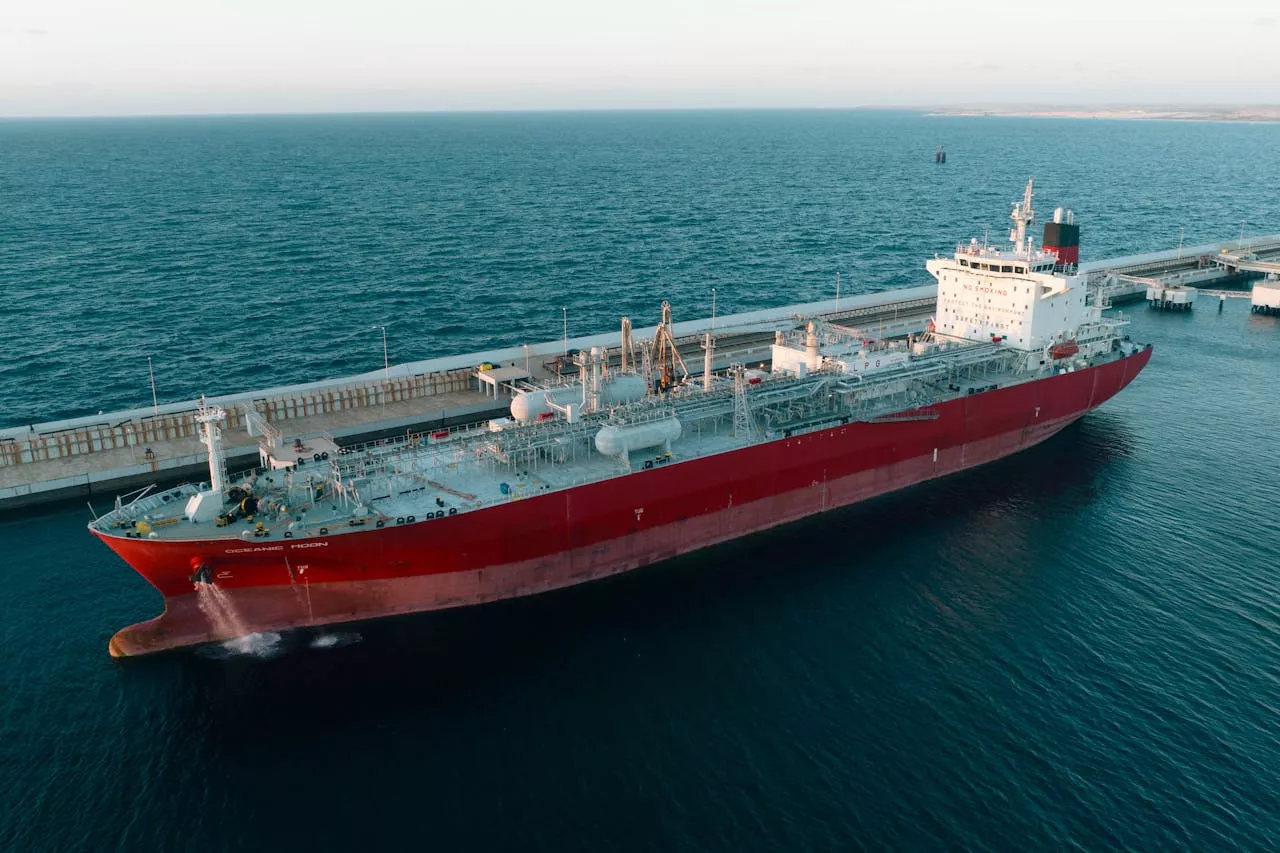
Phase Two of the project would involve the addition of LNG export facilities in Nikiski, Alaska. These facilities would enable the project to liquefy natural gas for shipment to overseas buyers, particularly in Asian energy markets where demand for LNG continues to grow. The export phase could transform Alaska into a significant supplier of LNG to global markets while generating new revenue streams and economic opportunities for the state.
Major North Slope Producers Join the Project
With the signing of the new agreement, Alaska LNG has now reached gas supply understandings with all three major North Slope producers. In addition to ConocoPhillips Alaska, agreements are already in place with ExxonMobil, Hilcorp Alaska, and Great Bear Pantheon LLC, a wholly owned subsidiary of Pantheon Resources.
The participation of these companies is viewed as a major endorsement of the project’s long-term potential. Alaska’s North Slope contains some of the largest undeveloped natural gas resources in North America, and securing commitments from key producers has been essential to advancing the project.
The precedent agreements establish commercial terms under which natural gas could be supplied to Alaska LNG once the project reaches final investment approval and enters operation. While precedent agreements are not the same as fully binding long-term sales contracts, they provide a framework for future cooperation and demonstrate strong commercial alignment among the participating companies.
For Glenfarne, obtaining commitments from all major North Slope stakeholders significantly improves confidence in the project’s viability. Reliable gas supply is one of the most critical elements for any pipeline and LNG development, especially for a project of this scale.
Industry Leaders Highlight Collaboration
Adam Prestidge, President of Glenfarne Alaska LNG, described the agreement as an important milestone in moving the project closer to execution.
Prestidge stated that all major North Slope producers have now committed sufficient natural gas volumes to support a Phase One final investment decision. He said the agreement with ConocoPhillips establishes the commercial framework for supplying gas and helping Alaska LNG deliver long-term energy security for the state.
He also acknowledged the cooperation between the companies and emphasized the importance of continued collaboration as the project advances.
According to Prestidge, Alaska LNG represents a transformational energy initiative for Alaska, with the potential to strengthen the state’s economy, improve energy reliability, and create long-term infrastructure benefits.
ConocoPhillips Alaska President Erec Isaacson also highlighted the strategic importance of the agreement and the company’s commitment to Alaska’s future.
Isaacson said ConocoPhillips shares Glenfarne’s goal of responsibly developing Alaska’s natural resources for the long-term benefit of Alaskans. He noted that participation in Alaska LNG supports reliable access to North Slope natural gas while complementing the company’s broader investments throughout Alaska.
ConocoPhillips has maintained a substantial presence in Alaska for decades and continues to invest heavily in oil and gas production projects in the region. Participation in Alaska LNG aligns with the company’s broader strategy of supporting energy infrastructure that can unlock additional value from North Slope resources.
Economic and Strategic Significance
The Alaska LNG project has long been viewed as one of the most ambitious energy developments proposed in the United States. Beyond its importance for Alaska’s energy supply, the project could generate significant economic benefits through construction activity, job creation, infrastructure investment, and future export revenues.
Construction of the pipeline alone would require extensive engineering, materials, labor, and logistical support. Thousands of jobs could be created during peak construction periods, providing economic opportunities for workers, contractors, and local communities throughout Alaska.
The project also has broader strategic implications for energy markets. As global demand for LNG continues to expand, particularly in Asia, Alaska’s geographic position could provide competitive shipping advantages compared with some Gulf Coast export projects. Shorter shipping distances to Asian markets may help improve delivery efficiency and reduce transportation costs.
In addition, growing global interest in energy security and diversified natural gas supplies has increased attention on new LNG developments capable of serving international customers. Alaska LNG could eventually become part of a broader effort to strengthen global natural gas trade while supporting lower-emission energy alternatives in some importing countries.
For Alaska residents, however, the immediate focus remains on ensuring stable and affordable energy supplies within the state. Declining Cook Inlet production has heightened urgency around developing alternative long-term gas sources, making Phase One of Alaska LNG especially important from a domestic energy perspective.
Moving Toward Final Investment Decision
Although significant progress has been made, Alaska LNG still faces additional development, financing, regulatory, and commercial milestones before construction can begin.
The precedent agreements with producers are a major component of the project’s commercial framework, but Glenfarne will continue working on engineering, permitting, financing arrangements, and customer agreements as it advances toward a final investment decision.
Industry observers view the latest agreement with ConocoPhillips as another sign that momentum behind Alaska LNG is continuing to build. By securing support from the major North Slope gas producers, Glenfarne has strengthened the project’s supply position and improved confidence among potential investors and stakeholders.
If developed successfully, Alaska LNG could reshape Alaska’s energy landscape for decades, providing long-term energy security for residents while opening new opportunities for global LNG exports and economic growth.
Source Link: https://www.businesswire.com/