


NGL Energy Advances Produced Water Treatment Project in West Texas
NGL Energy Partners LP (NYSE: NGL) has announced that its wholly owned subsidiary, NGL Water Solutions Permian, LLC, has accepted the terms of a draft permit issued by the Texas Commission on Environmental Quality (TCEQ) for its produced water treatment project in Reeves County, Texas. The development represents an important step toward establishing a new source of treated water for the Pecos River Basin and industrial customers across the region.
Following acceptance of the draft permit terms, the project will advance to the public notice and comment stage of the regulatory process. This milestone moves NGL closer to developing a large-scale water treatment operation designed to convert produced water from oil and gas activities into a resource that could serve agricultural, commercial and industrial requirements.
The proposed project builds on NGL’s existing produced water gathering and handling infrastructure in the Permian Basin. By using its established water management capabilities as a foundation, the company intends to develop an additional source of water for Texas while creating opportunities to support growing demand from different sectors.
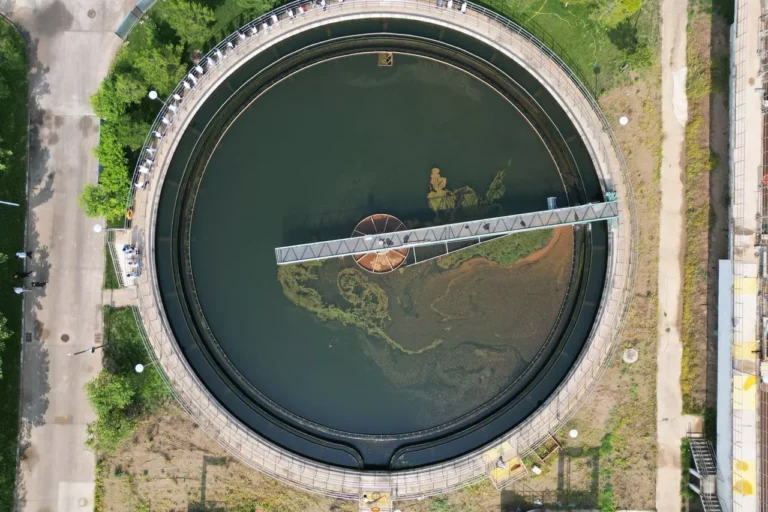
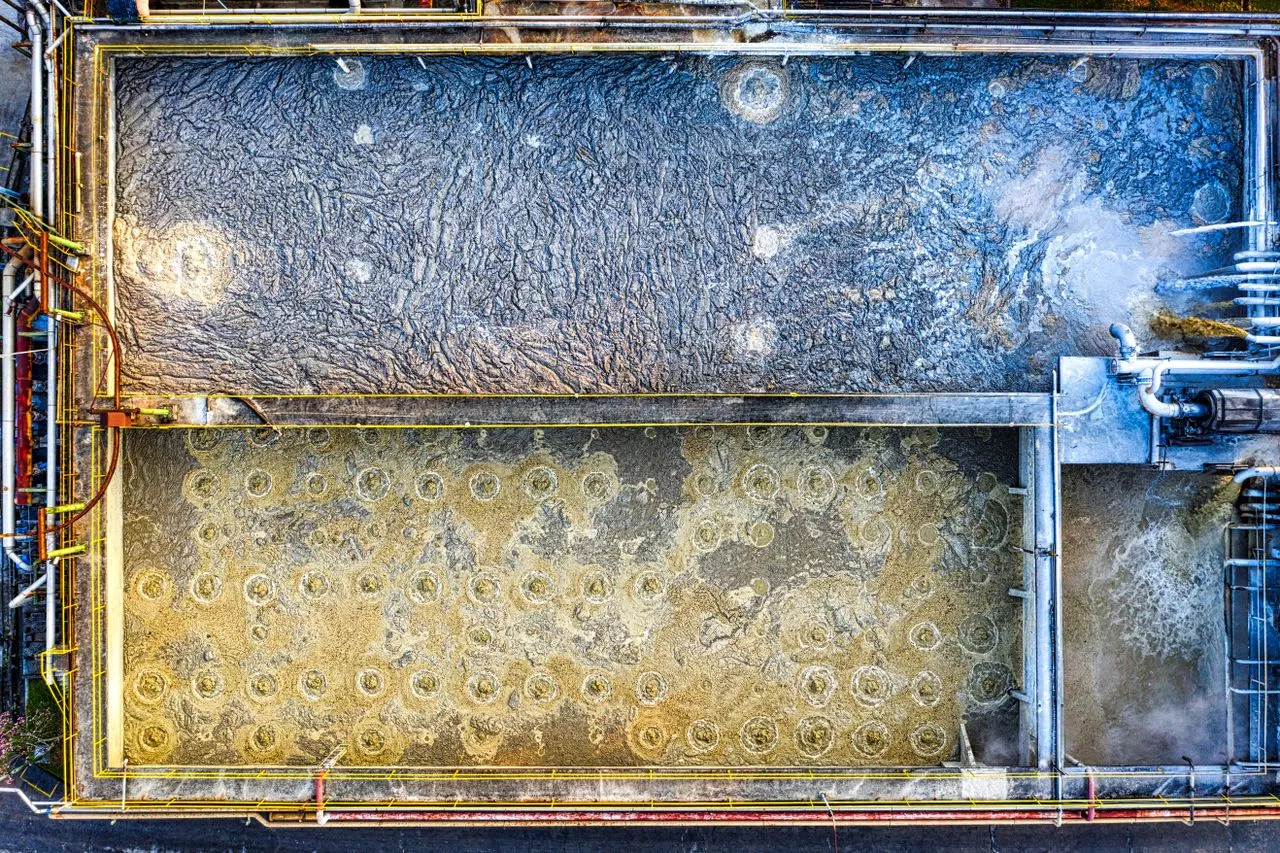
Produced water is generated during oil and natural gas production and requires appropriate treatment before it can be considered for alternative uses or managed through permitted discharge. NGL’s proposed facility is designed to apply advanced desalination and purification processes to remove salts and other constituents from the water. The treatment system will be developed to meet applicable TCEQ discharge standards, with water quality and treatment performance forming important elements of the project’s implementation.
The treated water could potentially support several applications, including irrigation, farming and industrial operations. Potential industrial customers identified by the company include data centers, power plants and other facilities that require water for their operations, particularly cooling processes. These applications could provide an alternative to relying exclusively on conventional municipal water supplies.
Developing additional water resources is increasingly important in regions where communities, agriculture and industrial facilities compete for available freshwater. By treating and making use of produced water, NGL aims to support a more diversified water supply while helping preserve existing groundwater and surface-water resources. The company’s approach could create opportunities to direct treated water toward productive applications rather than depending entirely on traditional freshwater sources.
The project is particularly relevant to the Pecos River Basin, where the proposed discharge locations include Salt Creek and the Upper Pecos River downstream of Red Bluff Reservoir. The draft authorization is covered under the Texas Pollutant Discharge Elimination System (TPDES) Permit No. WQ0005445000. The permit establishes a phased framework for treated-water discharge, allowing the project to increase its operating capacity as development progresses and commercial requirements become clearer.
Under the proposed permit, the initial daily average discharge capacity is 650,000 gallons. The authorized development framework then provides for increases to 2 million gallons per day, followed by 10 million gallons per day and ultimately 16.9 million gallons per day. At its final phase, the project would provide a treated-water supply equivalent to approximately 400,000 barrels per day.
This staged capacity structure is intended to connect the project’s development with anticipated demand and investment requirements. Rather than implementing the full treatment and discharge capacity at the outset, NGL can advance through successive phases as the project develops. Such an approach provides a framework for scaling treatment operations and capital investment alongside commercial demand.
The proposed final capacity of 16.9 million gallons per day represents a substantial potential addition to regional water resources. If developed to the planned scale, the project could provide treated water for a range of users, including agricultural operations and industrial facilities. The availability of an additional supply could also help customers evaluate alternatives to municipal freshwater, depending on their individual water-quality requirements and the project’s commercial arrangements.
Regulatory oversight remains a central part of the development process. The draft permit’s progression to public notice and comment will provide an opportunity for the proposed authorization to undergo the applicable review process. The TCEQ requirements establish the framework within which NGL must demonstrate that its treatment and discharge activities meet the required environmental standards.
For the company, acceptance of the draft permit terms is a significant development, but it does not mean that the project has completed every regulatory step or that its full planned capacity is already operational. The public notice and comment process represents the next stage before the project can advance through the remaining applicable requirements.
NGL’s treatment strategy focuses on removing dissolved salts and other constituents from produced water through advanced desalination and purification technologies. Achieving the required water quality will be essential to the project’s ability to discharge treated water into the designated receiving locations. Treatment performance, water-quality verification and compliance with TCEQ requirements will therefore guide the development and operation of the proposed facility.
Environmental protection is an important consideration because the project involves the management and discharge of treated water into waterways connected to the Pecos River Basin. The company’s treatment processes will need to operate within the standards established by the applicable permit. Demonstrating consistent performance and maintaining compliance will be necessary as discharge volumes increase through the proposed phases.
The initiative also reflects a broader opportunity to connect water management infrastructure associated with energy production to other sectors of the Texas economy. Agriculture, electricity generation, data centers and other industrial activities all require dependable water resources. Developing additional treated-water supplies could help address some of these requirements while reducing pressure on existing freshwater sources.
As the project advances through the regulatory process, NGL will move closer to determining how its existing produced water infrastructure can support a larger treatment and water supply operation. The proposed phased discharge framework provides a pathway for increasing capacity from the initial 650,000 gallons per day to the ultimate planned level of 16.9 million gallons per day.
Acceptance of the TCEQ draft permit terms marks an important step in NGL Energy Partners’ plans to develop produced water treatment capacity in Reeves County. The next phase will involve public notice and comment, followed by the remaining applicable regulatory and development requirements. If successfully advanced, the project could establish a significant new treated-water resource for agricultural and industrial customers while supporting efforts to conserve Texas’ groundwater and surface-water supplies.
Source Link: https://www.businesswire.com/