


Iberdrola Advances Renewable Steam Supply at Bayer’s Asturias Plant
Iberdrola España, the Spanish subsidiary of the Iberdrola Group, has begun testing an innovative industrial electrification project designed to supply 100% renewable steam to Bayer’s manufacturing facility in La Felguera, Asturias, Spain. The initiative represents a significant step towards reducing industrial carbon emissions through renewable electricity, thermal energy storage and the replacement of fossil-fuel-based heat generation.
Bayer’s La Felguera facility manufactures acetylsalicylic acid, the active pharmaceutical ingredient used in Aspirin®, supplying markets worldwide. The production process requires a reliable and continuous steam supply to support industrial operations. Through this project, Iberdrola aims to replace conventional fossil-fuel-based steam production with an electrified system powered entirely by renewable energy.
The installation is expected to prevent approximately 6,500 tonnes of carbon dioxide emissions annually. By eliminating fossil fuels from the steam generation process, the project will help reduce the plant’s environmental footprint while demonstrating how energy-intensive industrial facilities can transition towards lower-carbon production methods.
The initiative combines the electrification of industrial steam production with a molten salt thermal energy storage system. This technology enables electricity to be converted into heat and stored for later use, allowing the facility to benefit from periods when renewable electricity generation is particularly high and market prices are more competitive.
The thermal storage component is an important feature of the project because industrial facilities require dependable heat supplies throughout their operating schedules. Renewable electricity generation can fluctuate depending on weather conditions and the availability of solar and wind resources. Without an appropriate storage solution, these variations can create challenges for factories that depend on continuous steam production.
Iberdrola’s system addresses this challenge by storing thermal energy in molten salts when electricity is available under favourable conditions. The stored energy can subsequently be released whenever the industrial process requires steam. This arrangement allows the plant to maintain its production requirements while taking advantage of renewable electricity generation at different times of the day.
The integration of thermal storage also provides greater flexibility in managing electricity consumption. Rather than relying exclusively on electricity at the precise moment steam is needed, the facility can use previously stored energy to maintain the required heat supply. This capability helps separate the timing of renewable electricity consumption from the timing of industrial heat demand.
For Bayer, maintaining consistent steam availability is essential to supporting the manufacturing of acetylsalicylic acid. The electrified installation has therefore been designed to adapt to the factory’s operational requirements, ensuring that renewable heat can be supplied whenever production activities demand it.
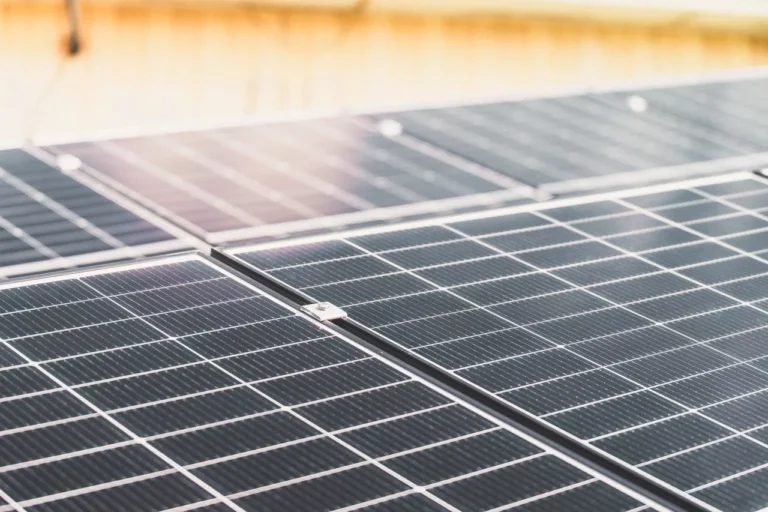
To cover the facility’s entire steam requirements, Iberdrola has developed a renewable energy supply arrangement combining a 15-megawatt long-term Power Purchase Agreement (PPA) with a 2.5-megawatt solar photovoltaic installation dedicated to self-consumption.
The PPA provides access to renewable electricity over an extended contractual period, supporting the energy requirements of the electrified steam generation system. Long-term renewable electricity agreements are increasingly being adopted by industrial companies seeking to improve energy procurement strategies, manage exposure to electricity market fluctuations and reduce emissions associated with their operations.
Alongside the PPA, the 2.5 MW solar photovoltaic installation will generate electricity for consumption at the industrial site. Self-consumption allows the facility to use locally generated solar power, reducing its reliance on electricity supplied through the wider grid during periods of solar generation.
Combining contracted renewable electricity with on-site solar generation provides the energy foundation for the project. Together with molten salt thermal storage, these components create an integrated solution intended to deliver renewable industrial heat while maintaining operational flexibility.
The development has involved an investment exceeding €18 million. It is Spain’s first large-scale industrial heat electrification project incorporating thermal storage and is structured through a long-term Heat Purchase Agreement (HPA).
The HPA represents an important element of the commercial arrangement between the companies. Instead of requiring the industrial customer to manage every aspect of heat generation independently, the agreement provides a framework for purchasing the required heat over an extended period. Such arrangements can help industrial businesses adopt new energy technologies while establishing greater predictability around their heat supply.
The project also demonstrates how energy companies can develop integrated decarbonisation solutions that go beyond conventional renewable electricity procurement. While solar and wind power have become increasingly important in reducing emissions from electricity consumption, industrial heat remains a challenging area for decarbonisation.
Many manufacturing operations depend on high-temperature heat and steam for chemical processing, pharmaceutical production, food manufacturing and other industrial applications. These requirements have traditionally been met through the combustion of natural gas, coal or other fossil fuels. Replacing these systems requires technologies capable of delivering reliable heat at the temperatures and operating conditions demanded by industrial processes.
Electrification offers an alternative by using renewable electricity to generate industrial heat. However, the variable nature of renewable generation means that storage and flexible energy management can play an important role in making these solutions commercially and technically viable.
Iberdrola’s project at Bayer’s Asturias facility illustrates how thermal storage can support this transition. By combining electrified steam production with molten salt technology, the installation is designed to provide a dependable heat supply while making more efficient use of renewable electricity availability.
The initiative also aligns with Iberdrola’s wider strategy of expanding electrification across industrial sectors. The Group has been developing solutions intended to help businesses reduce dependence on fossil fuels, improve energy efficiency and strengthen their long-term competitiveness as environmental requirements and energy market conditions evolve.
For industrial customers, reducing carbon emissions is increasingly connected with broader business priorities, including energy security, operating costs and compliance with sustainability objectives. Investments in renewable electricity procurement, self-consumption and thermal storage can help companies address several of these considerations simultaneously.
Bayer’s participation also highlights the potential for pharmaceutical manufacturing facilities to adopt innovative energy systems without compromising the reliability required for specialised production processes. The La Felguera plant has an international role in manufacturing an important pharmaceutical ingredient, making dependable energy infrastructure particularly relevant to its operations.
The project could provide a reference for other industrial facilities in Spain and international markets that are evaluating alternatives to fossil-fuel-based steam generation. Its combination of renewable electricity contracts, on-site solar generation, electrified heat production and thermal storage offers a model that could be adapted to different industrial requirements.
As testing progresses, the installation will demonstrate how the integrated system performs under actual operating conditions and how effectively it meets the factory’s steam demand. Its performance will be relevant to assessing the wider application of large-scale industrial heat electrification, particularly in sectors where continuous thermal energy is essential.
With an investment of more than €18 million and anticipated annual emissions reductions of approximately 6,500 tonnes of CO₂, the Iberdrola-Bayer initiative represents a notable development in Spain’s industrial decarbonisation efforts.
Through this project, Iberdrola is advancing renewable electricity-based industrial heat solutions while demonstrating the role of thermal storage in supporting reliable manufacturing operations. The initiative also establishes a potential pathway for expanding industrial electrification in Spain and other markets, helping businesses reduce fossil-fuel consumption, lower emissions and improve their long-term energy competitiveness.
Source Link: https://www.iberdrola.com/