

Tigo Energy Expands Virtual Power Plant Access for GO Battery Customers
Tigo Energy, Inc. (NASDAQ: TYGO), an intelligent solar and energy software provider, has expanded access to virtual power plant (VPP) programs and battery incentive opportunities for customers using its GO Battery residential energy storage system. The expansion adds markets in California, Texas, selected areas served by the PJM regional transmission organization, and New York, giving eligible homeowners more opportunities to earn value from stored electricity.
The newly available programs build on Tigo’s previously announced participation opportunities in Delaware, Maryland, Virginia, Connecticut, Maine, Massachusetts, and Puerto Rico. With the expanded footprint, eligible GO Battery systems may be able to participate in programs that reward flexible electricity use, help utilities manage demand, and support grid reliability. Program availability and participation requirements vary by location, utility, and aggregator.
The additional opportunities include California’s Demand Side Grid Support (DSGS) program and Emergency Load Reduction Program (ELRP), along with access to the Electric Reliability Council of Texas (ERCOT) market. Tigo has also expanded availability across selected PJM territories in Maryland, Virginia, Pennsylvania, and Illinois, as well as demand-response programs in New York.
These programs are part of a broader shift toward using distributed energy resources to support electricity networks. Residential batteries can store energy for use when household demand rises or when solar generation is limited. When connected to an eligible VPP program, participating batteries may also be coordinated as a group to help respond to grid conditions. Depending on program rules, homeowners may receive compensation or incentives for making some of their stored energy available during designated periods.
For installers, access to a wider range of programs can provide another way to demonstrate the financial potential of residential storage. Isaac Gamez, partner at G Power Inc., said VPP participation is becoming increasingly important as several residential solar and storage incentive programs are reduced or discontinued. He noted that compatibility with more programs is helping bring VPP offerings into the mainstream and gives installers a useful selling point when explaining how storage can provide value over time.
Gamez said homeowners increasingly look for opportunities to recover part of their storage investment beyond the immediate benefits of backup power and self-consumption. For installers, being able to offer systems that may qualify for utility or market-based programs can help differentiate proposals and address customer interest in long-term economics.
Tigo said its broader program coverage is intended to make it easier for installers to pair GO Battery systems with utility and grid-services opportunities in additional markets. The company’s platform is designed to support participation without requiring homeowners to install separate hardware or undertake complicated system configurations. Eligibility remains subject to the requirements of each program and the applicable service provider.
Since announcing the GO Battery’s first VPP qualification in January 2026, Tigo has expanded its reach to four leading U.S. VPP aggregators: EnergyHub, Leap, Uplight, and Virtual Peaker. Integrations with EnergyHub, Leap, and Uplight are complete. The Virtual Peaker integration is planned through work with integration partner Flip Energy.
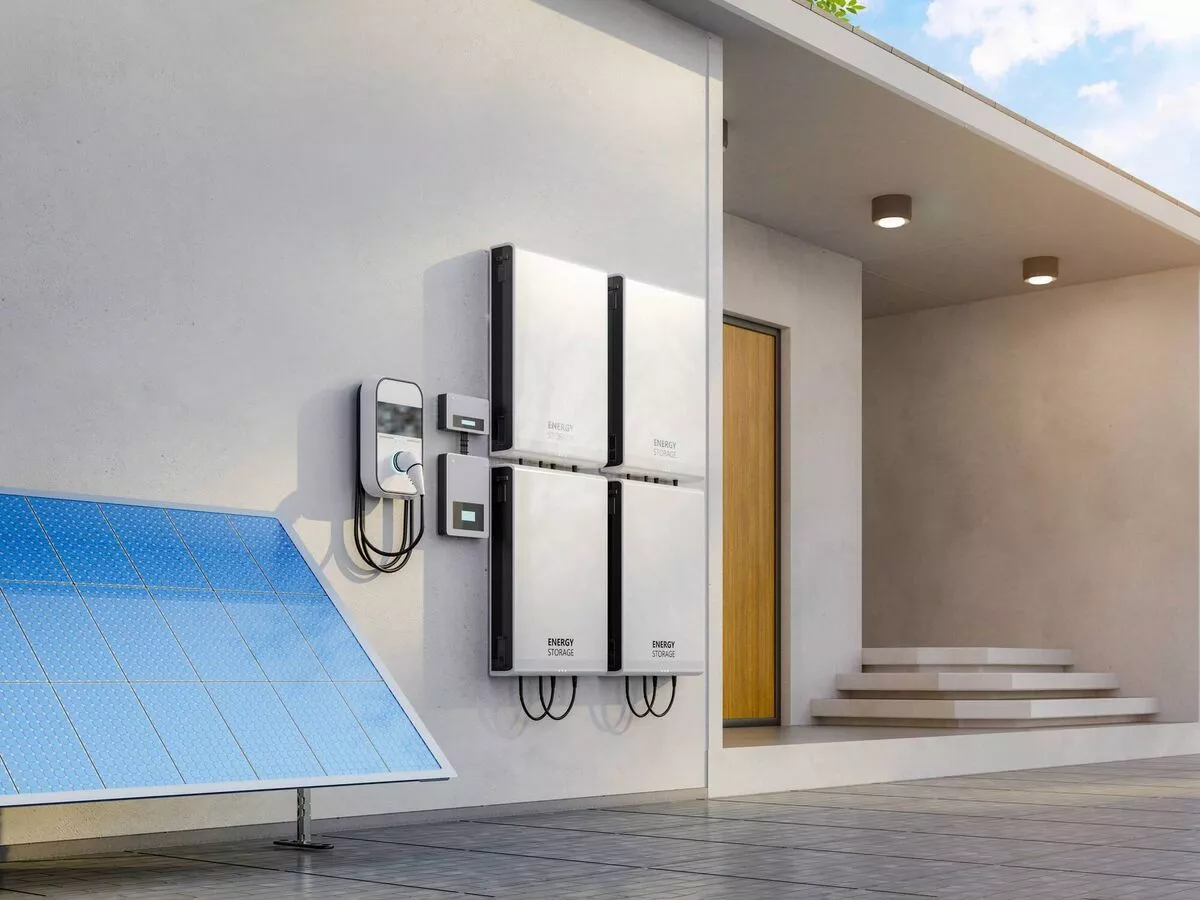
The Tigo GO Optimized Energy Storage System combines several components into a connected residential solar-plus-storage solution. These include Tigo TS4 Flex module-level power electronics (MLPE) optimization products, Tigo hybrid inverters, modular GO Battery storage, and the company’s Energy Intelligence (EI) software platform.
The integrated system is designed to simplify installation and ongoing system management. Module-level optimization products help manage solar energy at the panel level, while the hybrid inverter and battery provide the system’s power conversion and storage functions. The modular battery architecture gives installers a storage component that can be incorporated into the wider system, while the EI platform provides monitoring and energy-management capabilities.
The company says the combination is intended to help homeowners increase the usefulness of their solar production, manage household electricity consumption, and maintain backup power during grid outages. The system’s software also gives installers visibility into system performance and remote diagnostic capabilities, supporting monitoring and maintenance after installation.
Jing Tian, chief growth and revenue officer at Tigo Energy, said the expansion reflects the growing number of opportunities for residential battery storage to support the grid. As utilities and energy markets develop programs for distributed storage, broader access can give installers another way to distinguish their offerings and help customers identify additional value from their energy systems.
Tigo’s announcement extends the geographic reach of its VPP-related offering while building on its existing aggregator integrations. The company is positioning the GO Battery and GO Optimized Energy Storage System for customers seeking solar generation, household storage, backup capability, and potential participation in eligible grid programs.
Homeowners and installers will need to review local program rules, enrollment conditions, and system eligibility before relying on any projected incentive or revenue. Those details can differ across states, utility territories, and market operators. Tigo’s expanded program access provides more potential pathways, while actual benefits will depend on the applicable program and each customer’s circumstances.
Source Link: https://www.businesswire.com/