

Colombia Advances Rehabilitation of Antonio Ricaurte Gas Pipeline to Strengthen Energy Security
The Colombian National Government has included the rehabilitation of the Antonio Ricaurte Binational Gas Pipeline among the Projects of National and Strategic Interest (PINES) under its Strategic Resources and Energy mission. The decision represents an important step toward advancing the infrastructure project, which is expected to diversify Colombia’s natural gas supply sources, strengthen energy security and provide additional options for meeting the country’s growing demand for gas.
The designation will enable Colombia’s Vice Presidency to coordinate the government institutions and other relevant entities involved in the pipeline’s rehabilitation. This coordination is intended to facilitate the administrative and institutional processes required to move the initiative forward and establish the conditions necessary for its eventual reactivation.
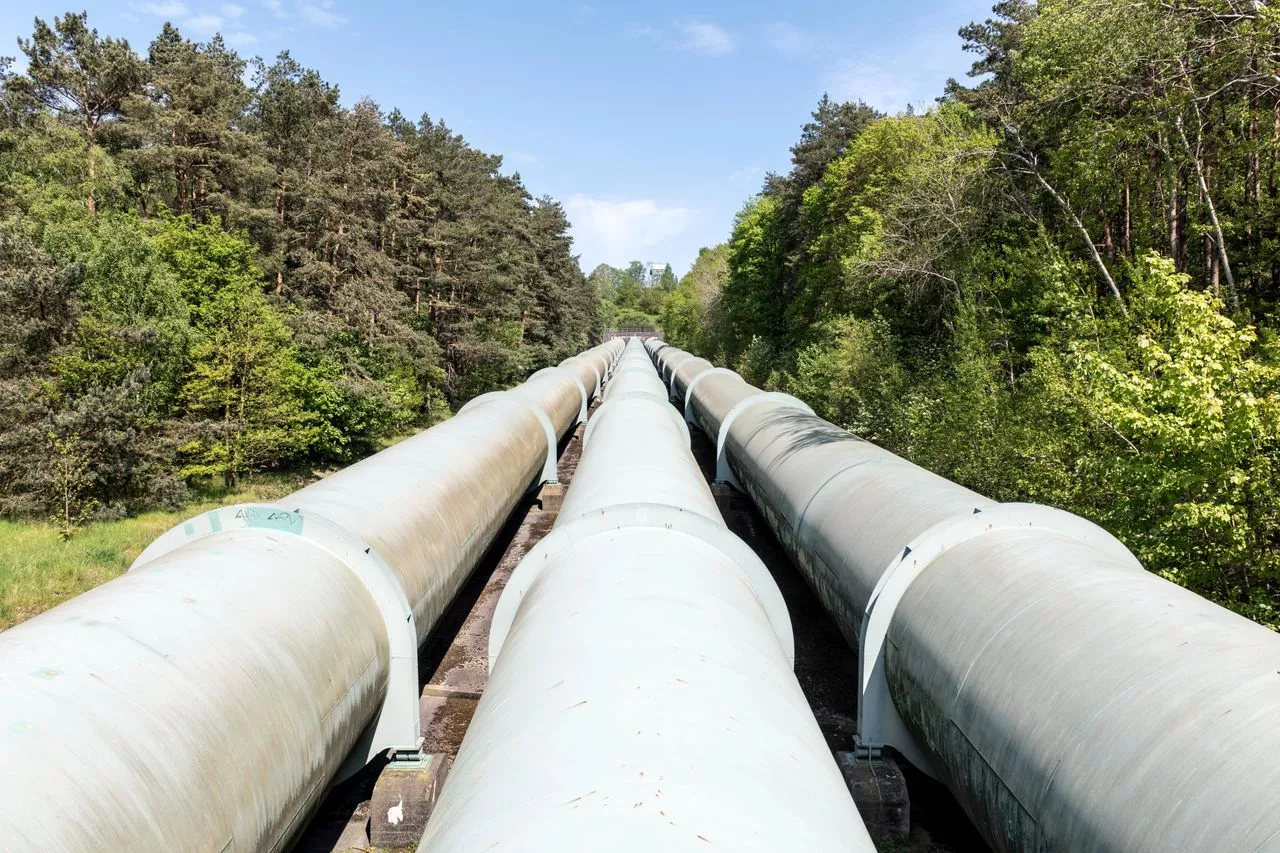
The Antonio Ricaurte Gas Pipeline is a cross-border natural gas transportation system connecting Colombia and Venezuela. Inaugurated in 2007, the infrastructure extends approximately 225 kilometres, comprising 88 kilometres within Colombian territory and 137 kilometres in Venezuela. The pipeline connects the La Guajira region of Colombia with the Lake Maracaibo area in Venezuela, providing an existing transportation route that could support the movement of Venezuelan natural gas into Colombia.
Its rehabilitation would allow gas sourced from Venezuela to enter Colombia’s National Transportation System, from where it could be distributed to consumers across the country. The project is therefore being considered as a potential component of Colombia’s broader strategy to improve the reliability and diversity of its natural gas supply.
The pipeline’s recovery is part of Ecopetrol’s Rebirth initiative, which seeks to support the country’s energy security through infrastructure development and additional supply opportunities. By restoring the cross-border connection, the project could provide Colombian households and industrial consumers with access to another source of natural gas, helping improve supply flexibility and potentially strengthen the competitiveness of the domestic gas market.
One of the expected advantages of importing natural gas through the pipeline is the possibility of reducing transportation-related expenses compared with importing liquefied natural gas (LNG) by sea. LNG imports require natural gas to be liquefied at export facilities before being transported in specialised vessels. Once the shipments arrive in Colombia, the LNG must undergo regasification to convert it back into its gaseous form before entering the domestic distribution and transportation networks.
These additional processes involve specialised infrastructure, operational requirements and associated costs. Depending on market conditions and transportation arrangements, these expenses can increase the final price of imported natural gas. Pipeline transportation from Venezuela would avoid the need for liquefaction and regasification associated with maritime LNG imports, potentially creating a more direct and cost-effective supply route.
For Colombian consumers and businesses, a more competitive gas supply could have important implications. Natural gas is used across several sectors, including residential consumption, electricity generation, manufacturing and other industrial activities. Maintaining reliable access to the fuel is therefore important for households as well as companies that depend on gas for their daily operations and production processes.
The rehabilitation project could also help Colombia address potential supply constraints over the medium and long term. Adding Venezuelan pipeline gas to the country’s existing domestic production and LNG imports would introduce another supply option into the national energy system. A more diversified supply structure could reduce dependence on individual sources and provide additional flexibility when domestic production or international market conditions change.
The Antonio Ricaurte pipeline has an operational transportation capacity of up to 450 million cubic feet of natural gas per day. This volume represents approximately half of Colombia’s daily natural gas consumption, highlighting the potential significance of the infrastructure if it is successfully restored and operated.
However, the initial phase of the project is expected to involve substantially smaller volumes. Under the preliminary projections, approximately 50 million cubic feet of natural gas per day could be imported through the pipeline. This amount would represent around 5% of Colombia’s daily consumption.
The difference between the pipeline’s maximum operational capacity and the projected initial import volume reflects the phased approach being considered for its reactivation. The first stage would establish an initial flow of Venezuelan gas, while the infrastructure’s broader transportation potential could provide opportunities for additional volumes in the future, subject to technical, commercial and regulatory conditions.
The project comes after more than a decade of inactivity for the cross-border pipeline. Although Colombia and Venezuela have previously announced initiatives aimed at strengthening energy cooperation, those announcements did not result in the infrastructure investments required to restore the transportation system. As a consequence, the pipeline continued to deteriorate while remaining unavailable as a practical route for natural gas imports.
Ecopetrol and the Colombian National Government are now promoting the recovery initiative with the objective of moving beyond previous cooperation announcements and advancing the physical rehabilitation of the existing infrastructure. Its inclusion among the Projects of National and Strategic Interest is intended to provide stronger institutional coordination and support the implementation process.
The designation is particularly relevant because projects involving cross-border energy infrastructure require cooperation among multiple public institutions and compliance with several technical, legal and regulatory requirements. Coordinating the participating entities through the Vice Presidency could help align the responsibilities associated with the rehabilitation process and facilitate the necessary government-level decisions.
Nevertheless, the project’s development remains subject to important legal and regulatory conditions. The Colombian Government and Ecopetrol have indicated that all activities will be carried out in strict compliance with Colombian legislation and the sanctions regimes applicable to the project.
In particular, the commencement of operations will depend on completing the rehabilitation of the pipeline infrastructure and obtaining the required licence from the United States Department of the Treasury’s Office of Foreign Assets Control (OFAC). The authorization is a key condition for proceeding with the activities covered by the applicable sanctions requirements.
Accordingly, the pipeline cannot begin transporting natural gas simply through its designation as a strategic project. Infrastructure restoration, regulatory compliance and the necessary authorizations must all be completed before commercial operations can commence. Each phase will proceed in accordance with the permissions and approvals required by the relevant authorities.
The OFAC licensing requirement also highlights the importance of the international regulatory environment surrounding energy cooperation between Colombia and Venezuela. The project’s progress will depend not only on engineering and infrastructure considerations but also on ensuring that the proposed activities comply with applicable international restrictions and authorization procedures.
For Colombia, the rehabilitation of the Antonio Ricaurte Gas Pipeline represents a potential opportunity to make greater use of existing regional energy infrastructure while expanding the range of natural gas supply alternatives available to the country. Its location and transportation capacity could support future imports from Venezuela without requiring the construction of an entirely new cross-border pipeline.
The initiative is also expected to contribute to discussions about the long-term reliability and competitiveness of Colombia’s natural gas market. As the country evaluates different options for meeting future demand, access to domestic production, maritime LNG imports and potential pipeline supplies could provide additional flexibility for managing energy requirements.
With the strategic designation now in place, the next steps will focus on institutional coordination, infrastructure rehabilitation and obtaining the necessary regulatory approvals. If these requirements are satisfied, the Antonio Ricaurte pipeline could once again become an important component of Colombia’s natural gas transportation network, supporting supply diversification and the country’s broader energy security objectives.
Source Link: https://www.ecopetrol.com.co/