

Adani Green Energy Expands Battery Storage Capacity with 3.37 GWh BESS at Khavda
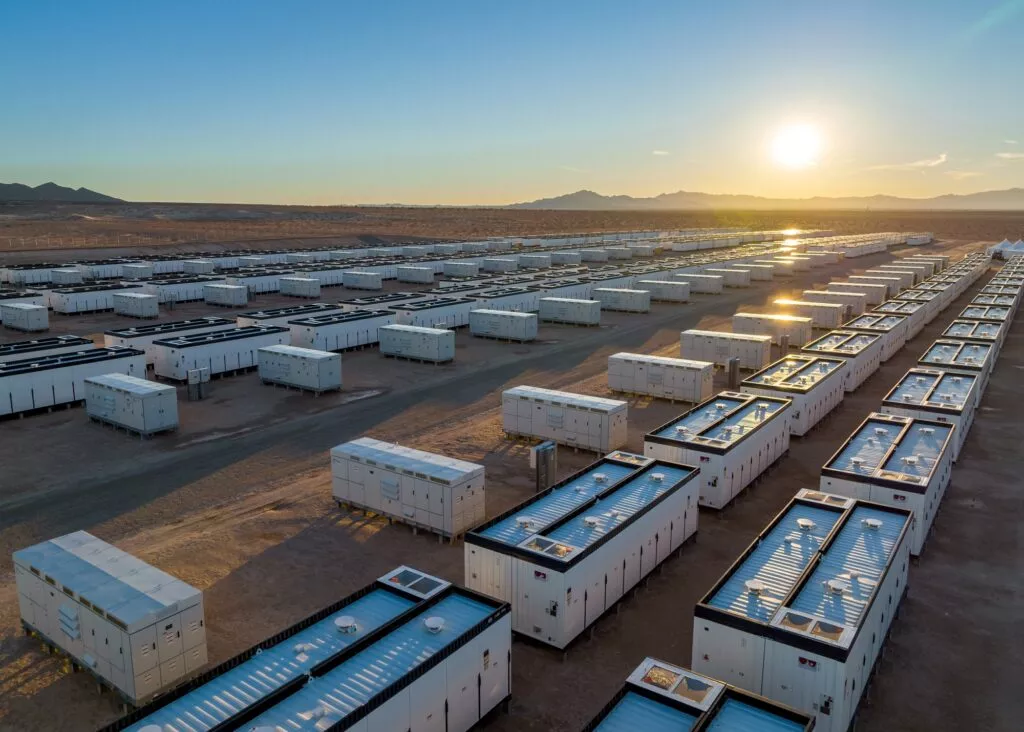
Adani Green Energy Ltd (AGEL), India’s leading renewable energy company, has achieved a major milestone in the global clean energy sector by commissioning a cumulative 3.37 Gigawatt-hour (GWh) Battery Energy Storage System (BESS) at Khavda in Gujarat. The project is now recognised as the world’s largest single-location battery storage deployment outside China and stands among the fastest utility-scale battery storage projects executed globally.
The newly commissioned capacity includes an additional 1.37 GWh that became operational in March 2026, taking AGEL’s total operational BESS capacity at the Khavda renewable energy complex to 3.37 GWh. The entire deployment was completed within only ten months from the start of on-site construction, highlighting the company’s ability to execute large-scale clean energy infrastructure projects at remarkable speed.
The commissioning of the project marks an important step in strengthening India’s power infrastructure by improving grid stability, supporting peak-hour electricity demand and enabling renewable energy to provide reliable power around the clock. As India rapidly expands its renewable energy generation capacity, energy storage is becoming increasingly important to ensure uninterrupted electricity supply and better integration of solar and wind energy into the national grid.
AGEL’s latest achievement reflects the growing importance of battery storage systems in the global transition toward cleaner energy. Battery Energy Storage Systems help store excess renewable energy generated during periods of high production and discharge it during peak demand hours or when renewable generation is low. This helps address one of the biggest challenges associated with renewable energy — intermittency.
The scale of AGEL’s battery storage project is significant not only for India but also for the global renewable energy industry. According to the company, the 3.37 GWh BESS has the capability to store enough clean energy to power nearly one million homes for an entire day. The system can also support electricity demand equivalent to cities such as Indore and Chandigarh or even the entire state of Goa during peak consumption periods.
Additionally, the storage facility can power more than 12 million LED bulbs continuously for up to ten hours. Such capacity demonstrates how large-scale storage infrastructure can help maintain stable electricity supply while supporting the transition toward renewable-heavy grids. As countries around the world accelerate investments in solar and wind energy, battery storage systems are emerging as essential assets for ensuring reliability and energy security.
Mr. Sagar Adani, Executive Director of AGEL, highlighted the strategic importance of large-scale storage infrastructure in the future of India’s clean energy landscape. He stated that battery storage would play a defining role in the next phase of the country’s renewable energy transition as clean energy generation capacity continues to rise rapidly.
He noted that reliable and round-the-clock delivery of renewable power requires robust storage infrastructure capable of balancing electricity supply and demand. According to him, the commissioning of the 3.37 GWh BESS at Khavda strengthens the foundation for resilient, flexible and dispatchable energy systems that can support future power requirements while reducing dependence on fossil fuels.
Mr. Adani also emphasised that AGEL’s investments in battery storage represent the company’s long-term commitment to building future-ready clean energy infrastructure at a global scale. The project reflects AGEL’s strategy of integrating advanced technologies to support India’s energy transition goals and contribute to sustainable economic growth.
The BESS deployment at Khavda integrates advanced energy management systems with lithium-ion battery technology to improve operational efficiency, reliability and responsiveness to grid requirements. These technologies enable real-time monitoring, optimised charging and discharging cycles and faster response to fluctuations in electricity demand and supply.
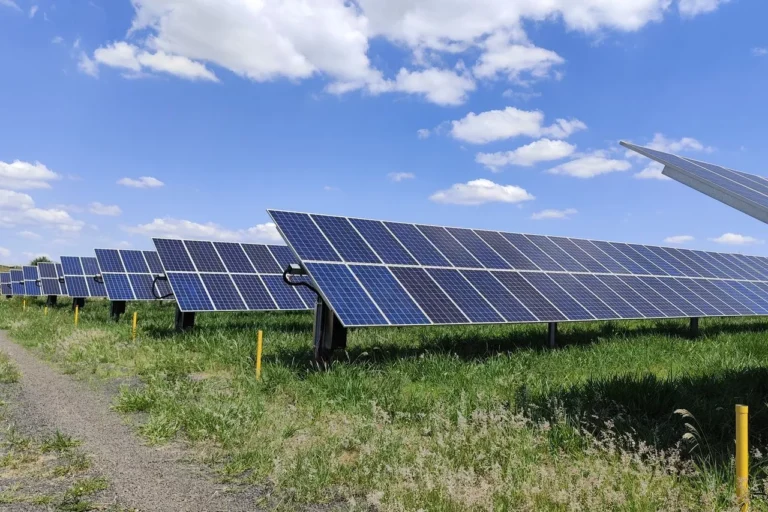
Strategically located in Khavda, Gujarat, the project further strengthens AGEL’s renewable energy hub, which is already regarded as one of the largest renewable energy developments in the world. AGEL is developing a massive 30 Gigawatt renewable energy project at Khavda by 2029, of which approximately 9.9 Gigawatts are already operational.
The Khavda renewable energy park has become a key part of India’s clean energy ambitions and showcases the country’s growing capabilities in developing utility-scale renewable infrastructure. The addition of large-scale battery storage at the site significantly enhances the project’s ability to provide stable and dependable green power to consumers and industries.
The company’s plans for future battery storage expansion are equally ambitious. AGEL aims to add more than 10 GWh of battery storage capacity during the financial year 2026-27. Over the next five years, the company plans to scale its battery storage portfolio to 50 GWh, positioning itself among the global leaders in utility-scale energy storage deployment.
The expansion plans align with broader global trends in the renewable energy sector, where energy storage is increasingly being recognised as critical infrastructure. Governments, utilities and renewable energy developers across the world are investing heavily in battery storage solutions to support decarbonisation goals, improve grid flexibility and enhance energy resilience.
Renewable energy generation depends heavily on factors such as weather conditions, time of day, seasonal changes and geographic location. Solar plants generate electricity only during daylight hours, while wind energy production varies depending on wind patterns. Battery storage systems help overcome these limitations by storing surplus renewable electricity and making it available when generation levels decline or demand rises.
This capability is particularly important as countries attempt to reduce reliance on fossil fuel-based power generation while ensuring uninterrupted electricity supply for industries, businesses and households. Utility-scale battery storage projects like AGEL’s Khavda deployment provide an effective solution for balancing electricity grids and supporting large-scale renewable energy integration.
Industry experts view large battery storage deployments as a crucial component of future energy systems because they enable renewable power to evolve from intermittent generation sources into dependable and dispatchable infrastructure. By storing clean energy and supplying it when needed, BESS projects help improve grid reliability, reduce power shortages and lower carbon emissions.
AGEL’s latest project also demonstrates the increasing maturity of India’s renewable energy sector. Over the past decade, India has emerged as one of the world’s fastest-growing renewable energy markets, driven by strong government policies, rising investment and growing demand for sustainable power solutions.
The country has set ambitious targets to expand renewable energy capacity and reduce carbon emissions, with battery storage expected to play a major role in achieving those goals. Large-scale projects such as the Khavda BESS are likely to accelerate adoption of advanced storage technologies across the Indian power sector.
The successful completion of the project within just ten months further highlights AGEL’s execution capabilities and engineering expertise. Delivering a utility-scale battery storage project of this magnitude within such a short timeframe demonstrates the company’s ability to rapidly deploy complex energy infrastructure while maintaining operational efficiency and technological integration.
As global energy markets continue shifting toward cleaner and more sustainable solutions, AGEL’s 3.37 GWh BESS deployment at Khavda represents a significant step in advancing renewable energy reliability and grid stability. The project not only strengthens India’s clean energy infrastructure but also reinforces the growing role of battery storage systems in shaping the future of global energy transition.
Source Link: https://www.adanigreenenergy.com/