

APS Moves to Extend Operations at Palo Verde Nuclear Power Plant Through the 2060s
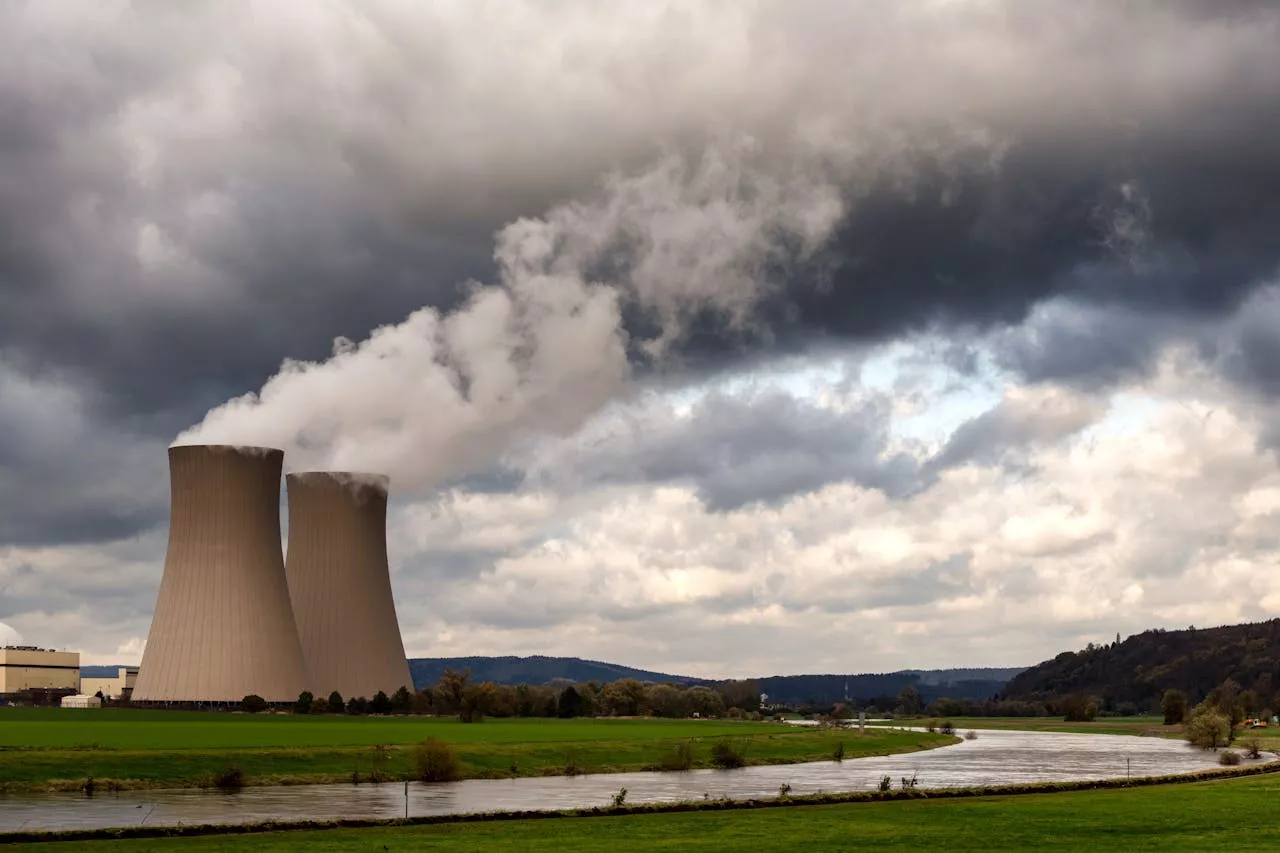
Arizona’s largest electricity provider, Arizona Public Service (APS), has formally notified the U.S. Nuclear Regulatory Commission (NRC) of its intention to renew the operating licenses for all three units at the Palo Verde Generating Station, the largest nuclear power facility in the United States. The planned license renewal could allow the plant to continue producing electricity well into the 2060s, extending its lifespan far beyond its original operating timeline and reinforcing its role in supplying carbon-free power across the Southwest.
Located about 50 miles west of Phoenix in the desert of Arizona, Palo Verde Generating Station stands at the center of APS’s energy portfolio. With the ability to produce approximately 4,200 megawatts of electricity, the facility provides a stable and reliable source of power for millions of homes and businesses across the region. Its output supports electricity needs not only in Arizona but also in parts of Texas, New Mexico and California.
A Critical Energy Asset for the Southwest
APS leaders say the move to extend the operating licenses reflects the growing importance of reliable, around-the-clock energy sources as electricity demand rises. The company believes Palo Verde will remain a cornerstone of the region’s energy system as population growth, electrification and economic development continue to expand power requirements.
According to Ted Geisler, President and Chief Executive Officer of APS, the nuclear station has played a central role in delivering safe, dependable and affordable electricity for decades.
He emphasized that Palo Verde not only supports customers with consistent electricity generation but also contributes significantly to the state’s economy. During Arizona’s extreme summer temperatures—when electricity demand can surge—having a stable source of baseload generation is critical for maintaining grid reliability.
Geisler explained that submitting the notice to federal regulators marks another step toward ensuring the facility continues providing reliable power for decades to come.
Understanding the License Renewal Process
When Palo Verde’s three reactors were originally licensed in the 1980s, the NRC granted them operating licenses for 40 years, which was the standard licensing period for nuclear plants in the United States.
In 2011, APS received approval from the NRC to extend those licenses by an additional 20 years. This allowed the reactors to operate into the mid-2040s. However, nuclear facilities that maintain high safety and performance standards can seek further license renewals to continue operating even longer.
On March 13, 2026, APS submitted a formal Notice of Intent indicating it plans to file a Subsequent License Renewal Application in late 2027. If approved, the renewal would extend each reactor’s operating license for another 20 years.
Under the proposed timeline:
- Unit 1 could operate until 2065
- Unit 2 could operate until 2066
- Unit 3 could operate until 2067
If granted, these extensions would allow Palo Verde to operate for a total of 80 years, placing it among a growing number of U.S. nuclear plants pursuing long-term operations.
Regulatory Review and Public Participation
Once APS submits its full application in 2027, the NRC will begin a comprehensive review process. The federal regulator will evaluate multiple aspects of the facility’s long-term viability, including aging management programs, safety systems, environmental protections and overall operational performance.
This evaluation ensures that nuclear facilities can continue operating safely as they age.
Public involvement is also an important component of the NRC’s review process. The agency typically hosts public meetings near nuclear facilities undergoing license renewal reviews. These meetings allow residents, community organizations and stakeholders to ask questions, review information and provide feedback before final decisions are made.
Across the United States, the NRC has already approved subsequent license renewals allowing several nuclear plants to operate for up to 80 years. According to APS, at least ten nuclear stations nationwide have successfully received such approvals, while additional applications are currently under review.
Nuclear Energy’s Role in Grid Stability
Supporters of nuclear power highlight its importance in maintaining reliable electricity supply while reducing carbon emissions. Nuclear plants generate electricity continuously, unlike many renewable energy sources that depend on weather conditions.
At Palo Verde, three large pressurized water reactors produce consistent baseload electricity day and night. This stability helps balance the power grid and ensures sufficient supply during periods of high demand.
Adam Heflin, Executive Vice President and Chief Nuclear Officer at Palo Verde for APS, noted that nuclear energy remains one of the most carefully regulated forms of electricity generation in the country.
He explained that nuclear facilities are designed with multiple layers of safety systems and undergo continuous oversight and monitoring. Maintaining those standards is essential for ensuring the plant continues to operate reliably for decades.
Heflin added that Palo Verde’s consistent generation plays a vital role in supporting grid reliability while helping stabilize long-term electricity costs for consumers.
Exploring the Next Generation of Nuclear Technology
While extending the life of Palo Verde is a major priority, APS is also looking toward the future of nuclear energy in Arizona. The utility is evaluating emerging technologies that could provide additional carbon-free power for the state.
In collaboration with regional partners, APS is exploring the possibility of developing new nuclear generation facilities.
The company has partnered with Salt River Project (SRP) and Tucson Electric Power (TEP) to evaluate potential sites for future nuclear energy projects across Arizona.
In 2025, the three utilities jointly applied for funding through the U.S. Department of Energy to support research and analysis related to possible locations for new nuclear facilities. Although the utilities are awaiting a decision on the grant application, they continue advancing planning efforts.
Among the technologies being considered are small modular reactors (SMRs), which are smaller and potentially more flexible than traditional nuclear reactors. Utilities are also examining the feasibility of building larger advanced reactors depending on future energy demand.
These technologies could play a significant role in helping Arizona meet its long-term electricity needs while maintaining low carbon emissions.
A Long History of Powering Arizona
APS has been supplying electricity to Arizona communities for more than a century. In 2026, the company marks 140 years since its founding, reflecting a long legacy of providing energy to cities, rural communities and industrial customers across the state.
Palo Verde itself has been operating for four decades, making it one of the most significant infrastructure projects in Arizona’s history. Since its construction, the nuclear facility has helped drive economic development, support population growth and ensure reliable power for the region.
Unique Features of the Palo Verde Plant
Palo Verde Generating Station stands out among nuclear facilities worldwide due to several unique characteristics.
Unlike most nuclear plants, which are built near oceans, rivers or large lakes for cooling water, Palo Verde is located in the Arizona desert and does not have access to a natural surface water source. Instead, the plant uses 100 percent recycled wastewater from nearby cities to cool its reactors.
This innovative approach conserves fresh water resources while allowing the facility to operate efficiently in an arid environment.
Economic and Employment Impact
Beyond its role in electricity generation, Palo Verde is also a major economic driver for the region.
The plant employs approximately 2,100 full-time workers and supports an additional 800 to 1,000 seasonal contractors during maintenance and refueling outages.
Its operations contribute more than $2.6 billion to local economies each year. The facility is also the largest single taxpayer in Arizona, paying nearly $56 million annually in property taxes that support schools, infrastructure and public services.
Ownership and Regional Power Supply
While APS operates Palo Verde, the facility is jointly owned by several utilities that share in its electricity output.
In addition to APS, the plant’s ownership group includes El Paso Electric, Southern California Edison, Public Service Company of New Mexico, Southern California Public Power Authority and Los Angeles Department of Water and Power.
Together, these partners distribute the plant’s electricity across multiple states, serving approximately four million homes and businesses throughout the Southwest.
Source Link: https://www.businesswire.com/