

UL Solutions Expands Hydrogen Safety Certification Services to Support Growing Global Fueling Infrastructure
UL Solutions, a global leader in applied safety science, has introduced a new suite of safety testing and certification services for hydrogen fueling station components, reinforcing the company’s role in supporting the safe and reliable expansion of the hydrogen economy. The newly launched services focus specifically on hydrogen fueling station valves and dispenser hoses, two critical components in hydrogen delivery systems that require rigorous performance and safety validation.
The announcement comes at a time when governments, transportation providers, and industrial operators around the world are accelerating investments in hydrogen infrastructure as part of broader decarbonization and clean energy strategies. As hydrogen adoption grows across commercial transportation, public transit, logistics, and industrial applications, ensuring the safety and integrity of fueling systems has become increasingly important.
Hydrogen has emerged as one of the most promising low-carbon energy carriers capable of supporting global efforts to reduce greenhouse gas emissions while meeting rising energy demand. However, because hydrogen is highly flammable and stored at extremely high pressures, hydrogen fueling systems require specialized engineering, testing, and certification to minimize risks such as leaks, fires, and explosions.
To address these challenges, UL Solutions has launched a new UL Type Examination Certification program designed to evaluate hydrogen fueling station components against internationally recognized safety and performance standards. The voluntary third-party conformity assessment program aims to help manufacturers demonstrate compliance with key ISO standards while improving confidence among regulators, customers, and infrastructure developers.
According to Wesley Kwok, vice president and general manager of the Energy and Industrial Automation group at UL Solutions, the new services are intended to help integrate safety into the rapidly developing hydrogen ecosystem from the earliest stages of infrastructure deployment.
Kwok noted that hydrogen is becoming an increasingly important element of the global energy mix and emphasized that manufacturers now have access to a trusted pathway for demonstrating adherence to critical international safety standards. He added that building safety into hydrogen infrastructure from the beginning is essential for supporting long-term industry growth and public confidence.
The new certification services specifically evaluate components under the ISO 19880 series of standards, which address hydrogen fueling station safety and operational performance.
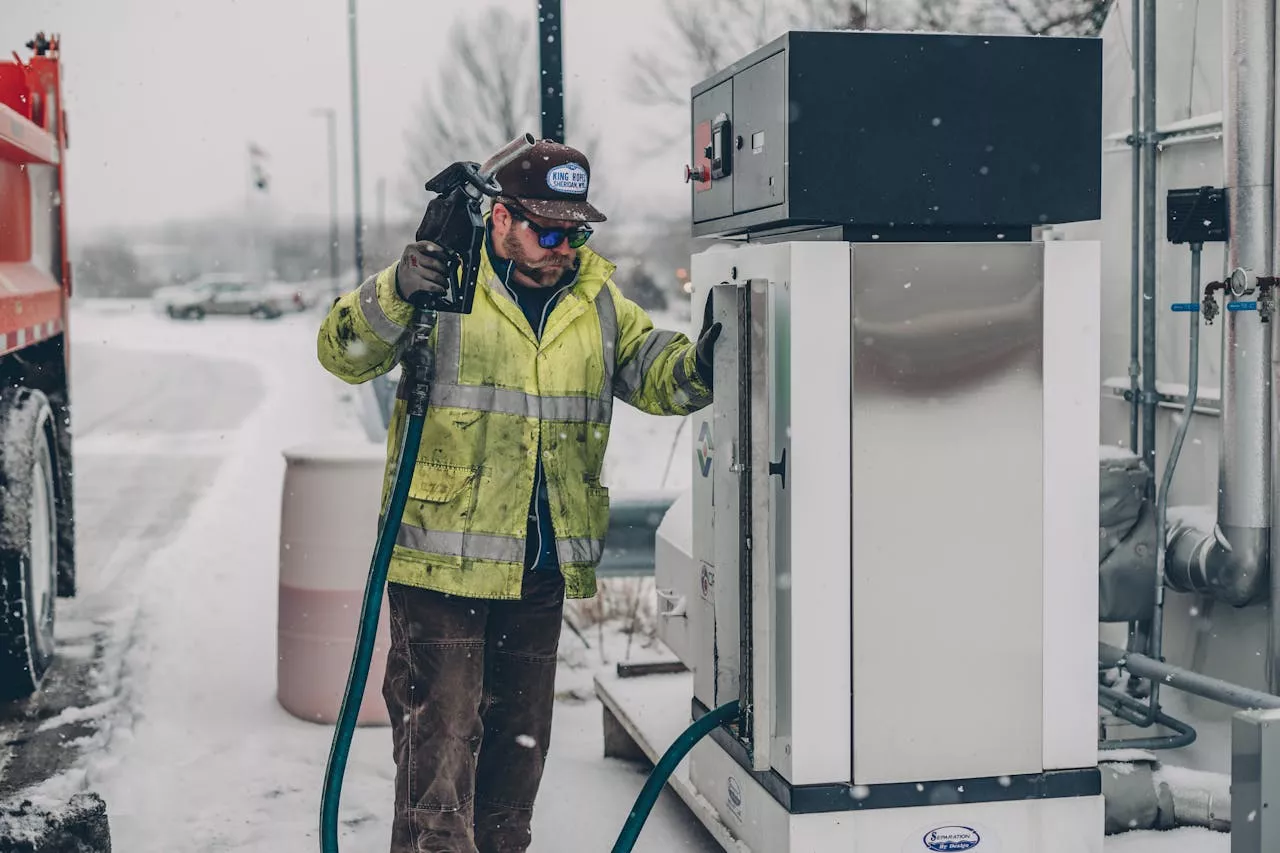
One of the key standards covered under the new program is ISO 19880-3:2018, which outlines safety and performance requirements for valves used in hydrogen fueling stations. These include check valves, excess flow valves, manual valves, shut-off valves, pressure safety valves, flow control valves, and hose breakaway devices. These components play a vital role in regulating hydrogen flow, preventing system failures, and protecting fueling infrastructure during routine operations or emergency situations.
Another major standard included in the certification program is ISO 19880-5:2025, which applies to hydrogen dispenser hoses and hose assemblies used in fueling applications operating at pressures up to 70 megapascals (MPa). Because hydrogen fueling often involves extremely high-pressure delivery systems, dispenser hoses must withstand demanding operational conditions while maintaining leak-tight performance and long-term durability.
The introduction of these testing and certification services reflects the increasing complexity of the global hydrogen market as more countries expand hydrogen transportation networks and industrial applications. Hydrogen fueling infrastructure is being developed across multiple sectors, including heavy-duty trucking, passenger vehicles, buses, rail systems, forklifts, marine transport, and industrial logistics operations.
Industry experts view hydrogen as particularly important for sectors that are difficult to electrify using battery-only solutions. Heavy-duty commercial transportation, long-haul freight operations, and industrial mobility applications often require higher energy density, faster refueling, and longer operating ranges than conventional battery-electric technologies can currently provide. Hydrogen fuel cell systems offer an alternative pathway for reducing emissions in these applications.
The demand for hydrogen continues to grow globally. According to the International Energy Agency’s Global Hydrogen Review 2025, worldwide hydrogen demand reached nearly 100 million tonnes in 2024. This increase reflects growing investment in clean hydrogen production, transportation infrastructure, and industrial decarbonization initiatives across major global economies.
Governments in North America, Europe, Asia, and the Middle East have introduced policy incentives, subsidies, and infrastructure programs aimed at accelerating hydrogen deployment. Many national energy transition plans identify hydrogen as a strategic pillar for reducing emissions in transportation, manufacturing, refining, chemicals, and power generation.
As hydrogen fueling stations expand globally, manufacturers and infrastructure developers face evolving regulatory frameworks and increasing pressure to demonstrate compliance with international safety requirements. Certification and testing programs such as those introduced by UL Solutions can help companies navigate these regulatory environments while supporting faster market access.
Third-party certification also plays a critical role in reducing project risk and increasing investor confidence. Hydrogen infrastructure projects often involve substantial capital investment, and demonstrating compliance with globally recognized standards can help manufacturers and operators strengthen credibility with customers, regulators, insurers, and financing partners.
The launch of the UL Type Examination Certification program also aligns with broader industry efforts to harmonize hydrogen safety standards across international markets. Standardization is considered essential for enabling global scalability and interoperability in hydrogen fueling infrastructure. Consistent standards can help simplify product development, facilitate international trade, and reduce certification duplication across regions.
Safety remains one of the most important priorities in the hydrogen industry. While hydrogen offers significant environmental and operational benefits, its physical characteristics require specialized handling procedures and engineering controls. Hydrogen molecules are extremely small and can leak more easily than many other gases, while high-pressure storage systems require durable materials and robust safety mechanisms.
As a result, infrastructure developers are placing greater emphasis on component reliability, material integrity, leak prevention, and operational safety. Certification programs provide independent verification that components meet strict technical requirements before being deployed in real-world fueling environments.
UL Solutions has long been involved in supporting safety and compliance across energy technologies, industrial systems, and infrastructure markets. The company’s expansion into hydrogen fueling certification reflects the broader transformation taking place within the global energy sector as industries adopt cleaner and more diversified energy systems.
Hydrogen infrastructure development is expected to accelerate significantly over the next decade as countries pursue net-zero emissions targets and energy diversification strategies. Industry analysts anticipate substantial growth in hydrogen fueling stations, fuel cell vehicle adoption, and hydrogen-powered transportation fleets.
Commercial vehicle manufacturers, public transit agencies, logistics providers, and industrial operators are increasingly evaluating hydrogen-powered solutions as part of long-term sustainability planning. At the same time, infrastructure developers and equipment manufacturers are working to scale production and deployment capabilities to meet future demand.
The availability of trusted certification services is expected to become increasingly important as hydrogen markets mature. Manufacturers seeking to differentiate themselves in a competitive market may rely on third-party validation to demonstrate safety, quality, and compliance with international standards.
By introducing these new certification services, UL Solutions aims to support the safe expansion of hydrogen fueling infrastructure while helping manufacturers streamline regulatory approvals and accelerate commercialization efforts. The company’s latest initiative highlights the growing importance of safety science in enabling the transition toward cleaner energy systems and advancing the global hydrogen economy.
Source Link: https://www.businesswire.com/