

Sungrow Completes Hybrid Energy Storage Retrofit at Warnertown Solar Farm
South Australia’s rapid growth in renewable energy is transforming the state’s electricity market, but it is also creating new challenges for solar asset owners. Increasing levels of renewable generation, grid constraints and fluctuating wholesale electricity prices are placing greater emphasis on flexibility, energy management and the ability to make better use of existing solar infrastructure. Against this backdrop, Sungrow has completed a hybrid retrofit at Warnertown Solar Farm, demonstrating how existing photovoltaic (PV) assets can be upgraded with battery energy storage without requiring a complete redevelopment of the site.
The project combines Sungrow’s hybrid inverter technology with its PowerKeeper energy storage system, creating a DC-coupled configuration designed to improve energy utilisation and provide the solar farm with greater operational flexibility. The retrofit illustrates a practical approach for renewable energy operators seeking to add storage capacity while limiting construction complexity, grid connection challenges and capital expenditure.
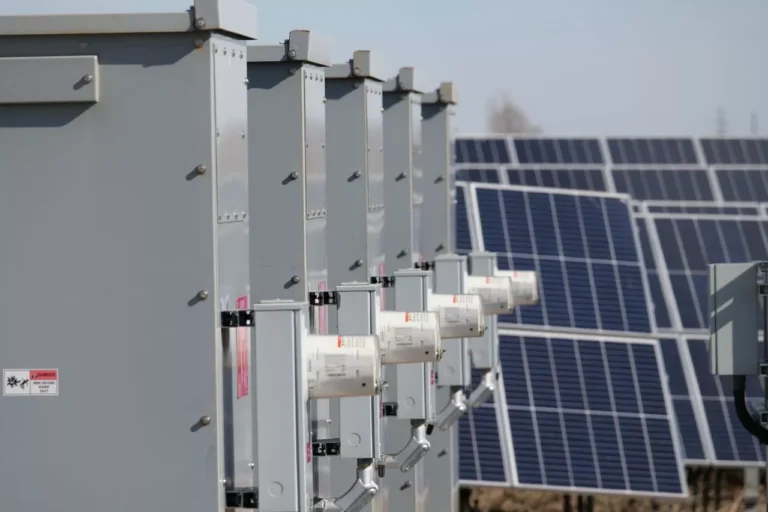
Warnertown Solar Farm previously operated with 30 Sungrow SG110CX PV inverters. As part of the upgrade, six of the existing PV inverters were replaced with SH110CX hybrid inverters. Each hybrid inverter was paired with a 200 kWh PowerKeeper battery energy storage unit, providing the facility with a total of 1.2 MWh of additional energy storage capacity.
The configuration enables the solar farm to combine solar generation and battery storage more effectively, allowing surplus electricity produced during periods of strong solar output to be captured and subsequently used when market conditions are more favourable.
A More Efficient Route to Grid Compliance
One of the key considerations for solar operators in South Australia is compliance with increasingly complex grid requirements. Adding conventional AC-coupled battery systems can involve additional equipment, transformer modifications, lengthy approval processes and significant engineering work. These requirements can increase both project costs and development timelines.
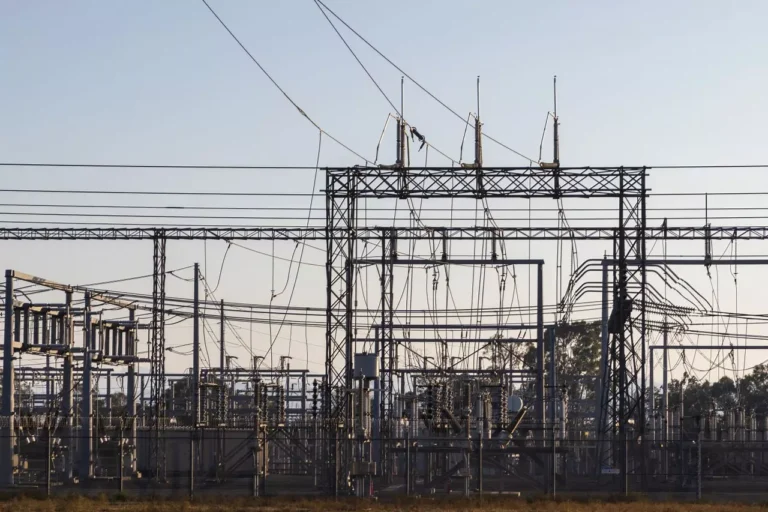
Sungrow’s DC-coupled hybrid approach provides an alternative pathway. By integrating the battery system directly on the DC side of the solar installation, the Warnertown project was able to minimise changes to the existing grid infrastructure.
The approach helped avoid transformer modifications and reduced the amount of civil and electrical work required for the retrofit. This can be particularly valuable for existing solar farms where available space, grid connection capacity and transformer limits may restrict the feasibility of conventional storage expansion.
Rock Liu, Technical Support Engineer at Sungrow, said that renewable energy sites can have very different technical and physical constraints. He noted that factors such as available grid capacity, transformer limitations and site layout can influence how storage is integrated.
According to Liu, the Warnertown project demonstrates how the PowerKeeper system can be adapted to existing site conditions while still delivering meaningful benefits for the asset owner.
The ability to work within an existing solar farm’s infrastructure can also reduce disruption during installation. Rather than developing an entirely new battery installation with extensive supporting infrastructure, the retrofit focuses on upgrading selected inverter units and integrating compact battery systems.
Improving Solar Energy Utilisation
The addition of 1.2 MWh of battery storage gives Warnertown Solar Farm greater control over when electricity generated by the PV system is used or exported.
Solar generation is naturally concentrated during daylight hours, while electricity demand and wholesale market prices can vary significantly throughout the day. Energy storage provides a mechanism for shifting some of the solar farm’s output away from periods of high generation and toward periods when electricity has greater value.
The upgraded system can therefore capture surplus solar generation and discharge stored energy when market signals and operating conditions are more favourable. This flexibility can help improve the overall utilisation of renewable generation while providing the asset with additional opportunities to respond to changing market conditions.
The compact design of the PowerKeeper system was another important factor in the Warnertown retrofit. The back-to-back configuration was installed within the site’s existing shelter and required virtually no major civil modifications.
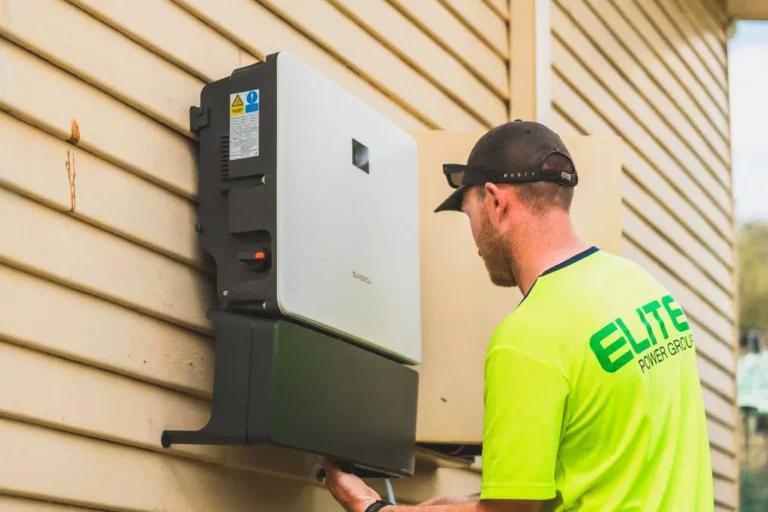
Newman Mundy, Co-Founder of Solmech and SMECH, said the retrofit was straightforward because the project involved replacing existing inverter units with hybrid versions and adding PowerKeeper battery systems. He highlighted the compact design as a factor that helped make installation faster and more efficient.
Collaboration Supports Project Delivery
Successful integration of battery storage into an operating solar facility requires close coordination between equipment suppliers, engineers and site operators. For the Warnertown project, Sungrow worked closely with SMECH Energy from the early design stages through installation and commissioning.
The collaboration helped address technical requirements associated with integrating the hybrid inverters and storage units into the existing solar infrastructure. Sungrow’s engineering team also provided technical support throughout the project, helping ensure that the installation progressed smoothly.
Jarrad Pangrazio, General Manager of SMECH Energy, said that new technologies can introduce a degree of uncertainty during project delivery. He credited Sungrow’s engineering team with providing close technical assistance throughout the installation and commissioning process.
The cooperation highlights the importance of technical support when retrofitting energy storage into existing renewable energy facilities. For operators, minimising installation risks and avoiding prolonged downtime can be just as important as the storage capacity itself.
A Model for Existing Solar Assets
The Warnertown Solar Farm retrofit demonstrates a broader opportunity for Australia’s growing fleet of existing solar assets. As more renewable projects enter operation, owners are increasingly looking for ways to extend the commercial value of infrastructure that has already been built.
Adding energy storage can provide one pathway to achieve this by giving solar farms greater flexibility in how and when electricity is dispatched. However, the cost and complexity of conventional battery installations can be a barrier, particularly at sites with limited grid capacity or constrained physical infrastructure.
DC-coupled hybrid systems can address some of these challenges by bringing storage closer to the solar generation source and reducing the need for extensive modifications to the existing AC infrastructure.
Sungrow’s Warnertown project also demonstrates how targeted retrofits can be used instead of replacing or rebuilding an entire solar facility. Only six of the site’s 30 original inverter positions were upgraded, creating a 1.2 MWh storage addition while retaining much of the existing solar infrastructure.
This approach could provide a scalable model for commercial and utility-scale solar operators seeking to introduce storage progressively. It can allow owners to evaluate the benefits of battery integration while controlling construction requirements and investment levels.
As South Australia continues to increase renewable generation, flexibility is becoming increasingly important for solar assets. Energy storage, intelligent inverter technology and improved energy management can help operators respond to market volatility while making better use of renewable generation.
The Warnertown Solar Farm retrofit therefore represents more than an individual storage installation. It demonstrates how existing solar projects can be modernised through targeted technology upgrades, creating additional flexibility and energy utilisation without the cost and disruption associated with a complete site rebuild.
For commercial businesses, independent power producers and large-scale solar operators, the project offers a practical example of how hybrid inverter and battery technology can help unlock additional value from established renewable energy infrastructure while supporting the transition toward a more flexible and resilient electricity system.
Source Link: https://www.sungrowpower.com/