


Argentina LNG Project Advances With RIGI Application for Major Vaca Muerta Export Development
Argentina LNG, the integrated liquefied natural gas project being promoted by YPF, Eni and XRG, has taken a significant step toward the development of a major LNG export platform by submitting its application to Argentina’s Large Investment Incentive Regime, known as RIGI.
The application marks an important milestone for the project as its developers work toward a Final Investment Decision (FID), currently targeted for the end of 2026. If developed as planned, Argentina LNG would establish an integrated gas-to-LNG value chain designed to utilize the substantial natural gas resources of the Vaca Muerta formation and connect them with international LNG markets.
The project is being structured as a large-scale integrated development covering several stages of the natural gas and LNG supply chain. These include upstream gas production, transportation infrastructure, gas processing and offshore liquefaction facilities. At the heart of the development are two Floating Liquefied Natural Gas (FLNG) units with a combined liquefaction capacity of approximately 12 million tonnes per annum (MTPA).
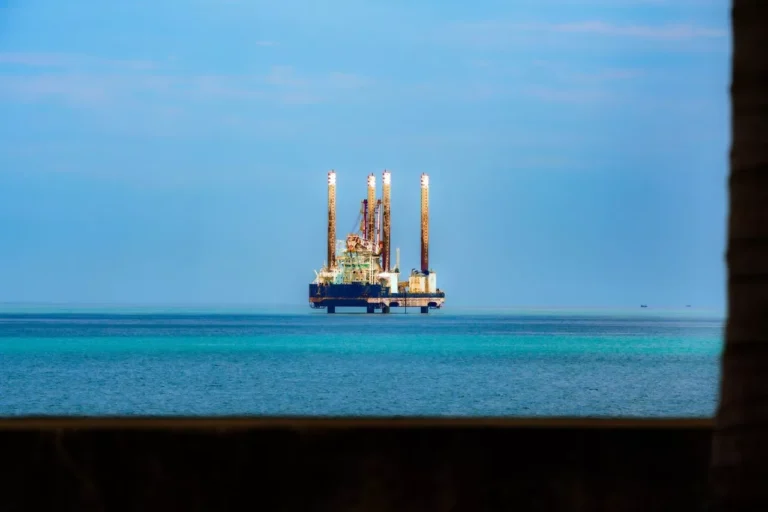
The FLNG facilities are planned to be located offshore Río Negro province, providing the project with a direct route toward international LNG markets. The offshore configuration is intended to form a key component of the wider Argentina LNG development, which seeks to combine Vaca Muerta’s large gas resources with infrastructure capable of supporting long-term LNG exports.
RIGI Application Marks Key Project Milestone
Argentina’s RIGI framework is designed to encourage large-scale investment by providing eligible projects with a range of incentives intended to improve investment conditions and strengthen the competitiveness of major developments. For capital-intensive energy projects such as Argentina LNG, participation in the regime could provide an important framework for moving forward with the substantial investment required to develop upstream, midstream and LNG infrastructure.
The submission of the application therefore represents more than an administrative step. It demonstrates continued progress toward establishing the commercial and regulatory foundations required for the project to advance toward FID.
The developers are targeting an FID by the end of 2026. Reaching that stage would represent another major milestone, allowing the partners to move from project development and evaluation into the next phase of implementation, subject to the necessary approvals, commercial arrangements and investment decisions.
Argentina LNG is being developed at a time when Argentina is seeking to capitalize more effectively on its extensive unconventional gas resources. Vaca Muerta, located primarily in the province of Neuquén, has emerged as one of the country’s most important energy assets and has the potential to support significantly higher natural gas production.
While increased domestic production can contribute to Argentina’s energy security and reduce reliance on imported fuels, LNG development could provide another major opportunity by allowing surplus natural gas to reach customers outside the country.
Unlocking Vaca Muerta’s LNG Potential
The Argentina LNG project is intended to connect Vaca Muerta’s upstream resources with international demand through an integrated export chain. This approach could help address one of the central challenges facing large-scale gas development in Argentina: ensuring that production growth is supported by sufficient transportation, processing and export infrastructure.
Under the planned development, natural gas would move from upstream production facilities through the necessary transportation and processing infrastructure before reaching the LNG liquefaction stage. The two FLNG units would provide combined liquefaction capacity of 12 MTPA.
Floating liquefaction technology offers a different development model from conventional onshore LNG facilities. By placing liquefaction infrastructure offshore, projects can potentially reduce their dependence on large coastal sites while creating a more flexible configuration for accessing international markets. For Argentina LNG, the planned FLNG units form a central element of the project’s strategy to establish export capacity linked directly to the country’s expanding gas production.
The development would also require an extensive supporting infrastructure network. Gas transportation systems would be necessary to move Vaca Muerta production toward the LNG facilities, while processing infrastructure would prepare the gas for liquefaction and export. The integration of these components is critical to the project’s overall economics and operating model.
Partnership Brings Complementary Capabilities
Argentina LNG brings together YPF, Eni and XRG, with each partner contributing capabilities that support the project’s broader development objectives.
YPF, Argentina’s leading energy company, has a central role in developing the country’s hydrocarbon resources and has been closely associated with the growth of Vaca Muerta. Its participation provides the project with local market knowledge, upstream expertise and experience within Argentina’s energy sector.
Eni brings international experience across the energy value chain, including natural gas, LNG and large-scale energy infrastructure. Its involvement adds global project development and LNG expertise to the partnership.
XRG also forms part of the consortium, contributing international energy capabilities and supporting the partners’ ambition to create an LNG export platform capable of serving overseas markets.
Together, the companies aim to leverage their respective strengths to develop a project that integrates upstream gas resources with transportation, processing, liquefaction and export infrastructure.
Supporting Argentina’s Energy Ambitions
The development of a large LNG export industry could have broader implications for Argentina’s energy sector and economy. Increasing gas production from Vaca Muerta and developing infrastructure to export LNG could create an additional source of foreign revenue while supporting investment across the country’s energy value chain.
A successful LNG export platform could also strengthen Argentina’s position in global natural gas markets. International LNG demand has expanded as countries seek reliable sources of natural gas, while flexible LNG supplies have become increasingly important to energy security.
Argentina’s geographical position and substantial unconventional gas resources provide a foundation for developing an export-oriented LNG industry. However, realizing that opportunity depends on large investments in pipelines, processing facilities, liquefaction infrastructure and related export systems.
Argentina LNG is intended to address these requirements through an integrated project structure rather than treating gas production and LNG exports as separate developments.
Path Toward Final Investment Decision
The RIGI application is expected to support the project’s progression toward the next major decision point. With FID targeted for the end of 2026, the coming development period will be important as the partners continue advancing the technical, commercial, regulatory and infrastructure components of Argentina LNG.
The scale of the proposed 12 MTPA liquefaction platform means that the project will require substantial capital investment and coordination across multiple parts of the energy supply chain. Long-term access to natural gas, transportation capacity, LNG offtake arrangements, financing and regulatory approvals will all be important factors in determining the project’s eventual implementation.
The submission of the RIGI application indicates that the partners continue to advance the development despite the complexity associated with a project of this scale.
If the project reaches FID as planned, Argentina LNG could become a major new component of the country’s energy infrastructure. Its two FLNG units would provide significant LNG production capacity, while the associated upstream and midstream infrastructure would create an integrated pathway for Vaca Muerta gas to reach international consumers.
For Argentina, the project represents an opportunity to transform its abundant natural gas resources into a globally traded commodity while developing a new export industry. For the project partners, it provides an opportunity to combine upstream resources with LNG infrastructure and participate in international gas markets.
The RIGI application consequently represents a key step in Argentina LNG’s development journey. As the consortium moves toward its targeted 2026 FID, the project will remain closely watched by the energy industry for its potential to expand Argentina’s LNG capacity, strengthen the commercial development of Vaca Muerta and establish the country as a more significant participant in the global LNG market.
Source Link: https://www.eni.com/