

SP Energy Networks Advances EV Fleet Electrification
SP Energy Networks, the electricity distribution business of ScottishPower and a subsidiary of Iberdrola in the United Kingdom, has started deploying an innovative electric vehicle charging technology at three of its operational centres across the country. The initiative is designed to support the company’s transition toward a more electrified fleet while addressing some of the infrastructure and power-capacity challenges that can make conventional high-power charging difficult to install.
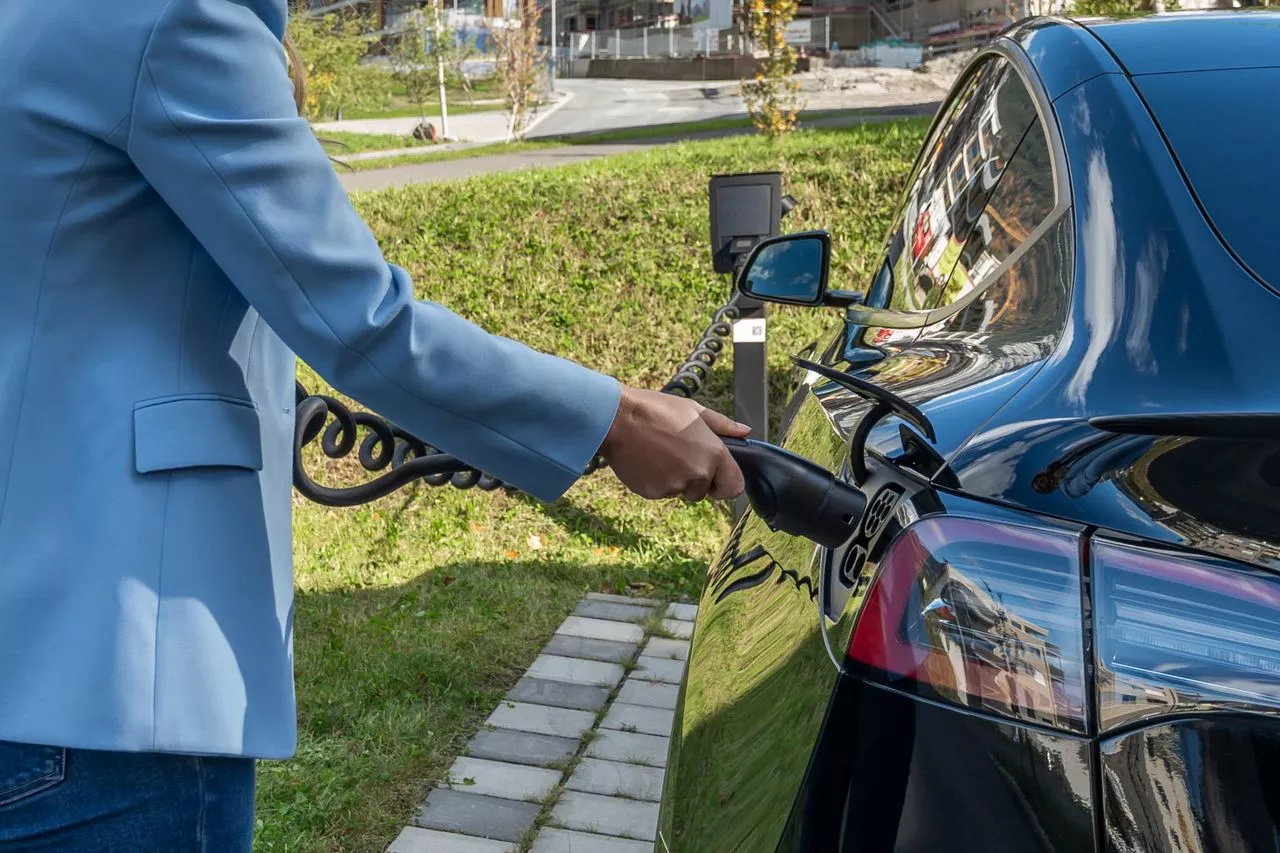
The company has partnered with technology firm TUAL to introduce the PowerUp Charger system at selected operational locations. The technology combines battery energy storage with continuous high-power electric vehicle charging, allowing vehicles to receive ultra-fast charging without requiring extensive infrastructure construction or major upgrades to the local electricity network.
The deployment reflects the growing need for electricity network operators and other businesses with commercial vehicle fleets to develop charging solutions that can operate within existing sites. As organisations accelerate the replacement of conventional vehicles with electric alternatives, the availability of suitable charging infrastructure has become an important consideration. Fleet operators often require high-power chargers capable of rapidly returning vehicles to service, but installing such systems can be complicated where sites have limited space or insufficient electrical capacity.
TUAL’s PowerUp Charger is intended to address these constraints by integrating energy storage directly into the charging solution. Rather than relying entirely on the site’s existing electrical capacity at the moment a vehicle is being charged, the system can use stored energy to provide high-power charging. This approach can reduce the need for significant electrical infrastructure works and may help organisations deploy charging facilities at locations where conventional solutions would otherwise require network reinforcement.
For SP Energy Networks, the technology has particular relevance because its operational centres support activities that depend on vehicles being readily available. Electricity distribution operations require field teams to travel to different locations for maintenance, inspections, emergency response and other network-related activities. Maintaining fleet availability is therefore an important part of ensuring that operational teams can continue to respond effectively.
The new charging system also provides flexibility because it can be relocated when operational requirements change. This capability can be useful for organisations with multiple facilities or changing fleet requirements, allowing charging capacity to be moved rather than permanently tied to a single location. Such flexibility can help businesses adapt their charging infrastructure as fleet electrification progresses.
Another feature of the technology is its energy-storage capability, which can contribute to operational resilience. The integrated storage system can help keep electric vehicles available during power outages, an important consideration for an electricity network operator whose personnel may need to respond to incidents affecting the wider power system.
The ability to charge vehicles using stored energy can provide an additional layer of flexibility during periods when electricity supply from the site is constrained. It also demonstrates how battery storage can play a role beyond traditional grid-scale applications, supporting transport electrification at commercial and industrial facilities.
The project comes as electricity distribution companies face increasing pressure to reduce emissions associated with their own operations while simultaneously preparing networks for growing electricity demand. The electrification of vehicle fleets is one element of this transition. Moving operational vehicles from conventional fuels to electricity can reduce direct emissions from transport activities, particularly as the electricity system increasingly incorporates renewable generation.
For SP Energy Networks, deploying charging technology that can operate within existing operational environments could help support this transition without requiring every site to undergo major infrastructure redevelopment. This is particularly relevant where available space is restricted or where the existing electrical connection does not provide sufficient capacity for conventional high-power charging equipment.
The collaboration with TUAL also highlights the role of technology innovation in addressing practical barriers to fleet electrification. Battery-integrated charging systems can potentially allow businesses to combine the benefits of rapid charging with the flexibility of energy storage, helping them make greater use of existing electrical connections.
Beyond its own fleet, SP Energy Networks views the initiative as part of a broader strategy focused on incorporating innovative technologies into its operations. The company is seeking to reduce emissions generated by its activities while maintaining the reliability and resilience required from an electricity distribution business.
The project also aligns with the wider shift toward sustainable mobility in the United Kingdom. As electric vehicles become more widespread, businesses, public-sector organisations and infrastructure operators are increasingly required to develop charging networks capable of supporting different types of vehicles and operational patterns. Commercial and fleet applications can present different challenges from private vehicle charging because vehicles may need to cover significant distances, operate for extended periods and return to base according to demanding schedules.
Fast-charging technologies therefore have an important role in enabling fleet operators to maintain productivity while transitioning away from internal-combustion vehicles. Solutions that reduce the requirement for major electrical works could further accelerate deployment by allowing charging infrastructure to be introduced at sites that face capacity limitations.
SP Energy Networks’ deployment of the PowerUp Charger at three operational centres provides an example of how energy storage and high-power charging can be combined to address these challenges. The system’s ability to provide ultra-fast charging, operate within space and electrical-capacity constraints, and offer relocation and resilience benefits gives the company additional flexibility as it continues electrifying its operational fleet.
The initiative forms part of the company’s ongoing efforts to use innovative technologies to reduce emissions and support sustainable mobility. By integrating energy storage into its charging infrastructure, SP Energy Networks is pursuing a fleet-electrification approach that seeks to balance environmental objectives with the practical requirements of its operational activities.
As electricity networks continue to evolve alongside the broader energy transition, projects such as this could demonstrate how battery storage and advanced charging technologies can support the electrification of commercial fleets. For SP Energy Networks, the deployment represents another step toward reducing emissions from its operations while maintaining the reliability, flexibility and vehicle availability needed to serve communities across the country.
Source Link: https://www.iberdrola.com/