

PowerOn Midwest Transmission Initiative Expected to Deliver Billions in Economic Benefits Across Minnesota and South Dakota
A major new transmission infrastructure initiative planned for the Upper Midwest is projected to generate billions of dollars in economic activity, create thousands of jobs, strengthen local tax revenues, and support the region’s growing energy needs over the coming decades. According to a newly released economic impact study, the PowerOn Midwest transmission project will play a pivotal role in modernizing the electric grid while helping communities across Minnesota and South Dakota capitalize on new economic opportunities.
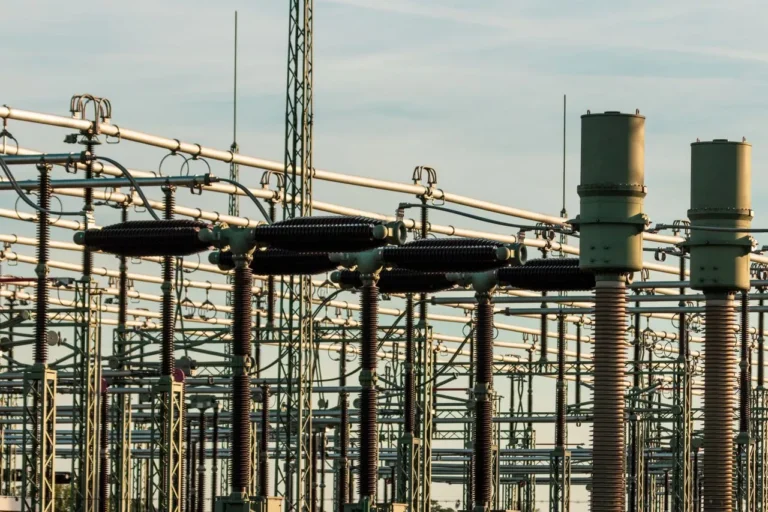
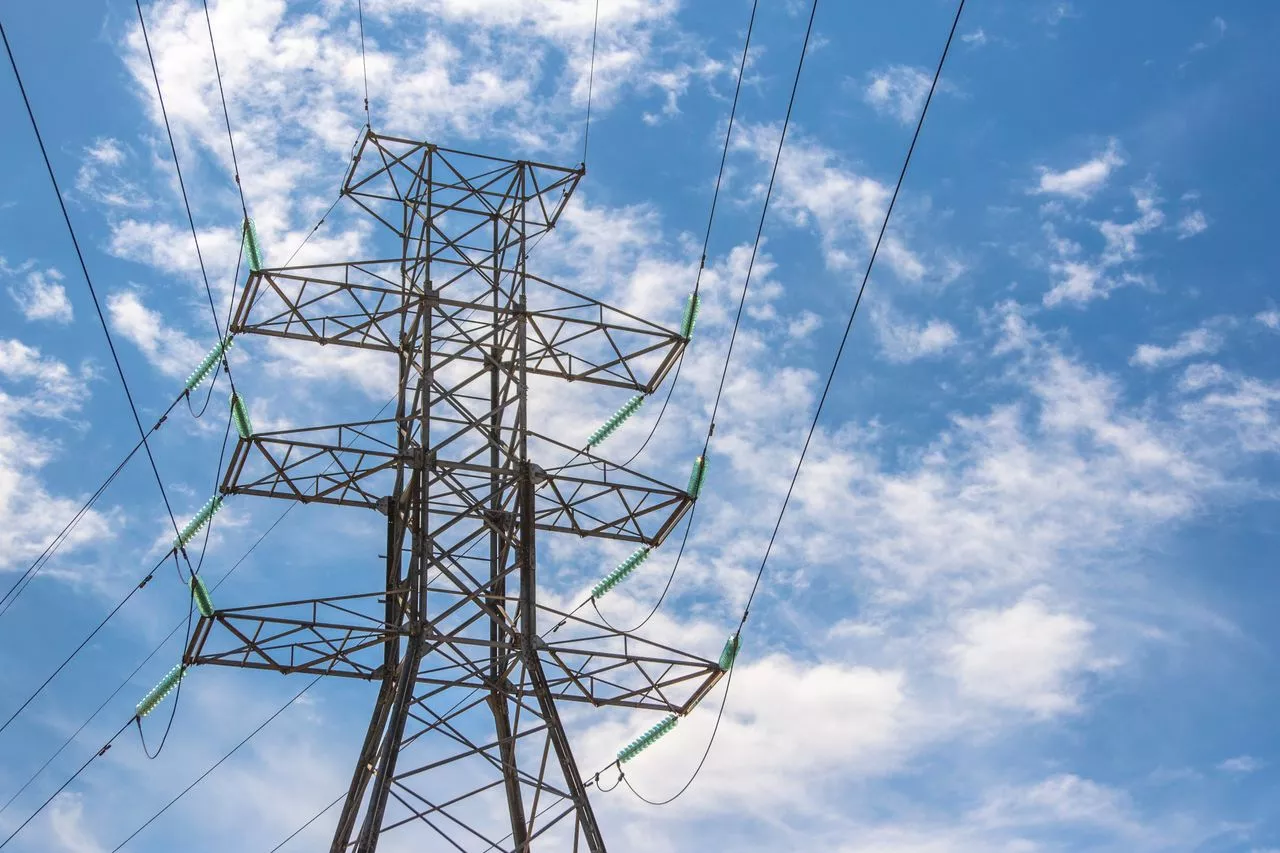
PowerOn Midwest is a large-scale transmission development program centered around a new 765-kilovolt backbone transmission line designed to enhance the movement of electricity throughout the region. The project is being jointly developed by Great River Energy, ITC Midwest, and Xcel Energy, three major utility companies working together to address increasing electricity demand and strengthen long-term grid reliability.
The study concludes that the project will serve as a critical foundation for future economic growth by ensuring that homes, businesses, industries, and emerging technologies have access to reliable and affordable electricity. As power demand continues to rise due to population growth, industrial expansion, data centers, electrification efforts, and new technologies, transmission infrastructure is becoming increasingly important to support a modern and resilient energy system.
Meeting the Challenges of Rising Electricity Demand
The Upper Midwest is experiencing significant changes in its energy landscape. Electricity demand is expected to increase substantially over the next decade as more sectors of the economy transition toward electrification. At the same time, many aging power plants are being retired, while new renewable and conventional generation resources are seeking access to the grid.
Transmission systems serve as the highways of the electric grid, transporting power from generation facilities to consumers. Without sufficient transmission capacity, new power plants may face difficulties connecting to the grid, and existing resources may be unable to deliver their full output to customers who need it.
The PowerOn Midwest initiative is designed to address these challenges by creating additional transmission capacity that can efficiently move electricity across state lines and throughout the broader regional network. The project will connect eastern South Dakota and Minnesota while strengthening links to neighboring states and regional energy markets.
Utility leaders emphasize that the investment is necessary to ensure that the region remains prepared for future energy needs while maintaining reliability and affordability for customers.
Significant Economic Benefits for Minnesota
The economic analysis highlights substantial benefits for Minnesota, particularly for communities located along the transmission corridor. During the construction phase, the project is expected to generate widespread economic activity across multiple sectors, including construction, manufacturing, transportation, engineering, professional services, and local businesses.
According to the study, PowerOn Midwest is projected to support approximately 4,870 jobs statewide during construction. Of those positions, roughly 2,553 jobs will be concentrated within counties directly affected by the project corridor. These employment opportunities are expected to include both direct jobs associated with project construction and indirect jobs created through supply chains and local spending.
In addition to job creation, the project is expected to generate more than $482 million in payroll spending throughout Minnesota. Approximately $259 million of that payroll activity is anticipated to occur within counties where construction activities will be concentrated. These earnings will provide economic benefits for workers and stimulate spending throughout local communities.
The broader economic impact is even more substantial. The study estimates that PowerOn Midwest will contribute more than $2 billion in statewide economic activity during construction. Communities located within project counties are expected to experience approximately $914 million of that economic impact, reflecting the significant local benefits associated with infrastructure investment.
Long-Term Tax Revenue Benefits
Beyond the immediate construction-related impacts, the transmission project is expected to provide long-term financial benefits to local governments through increased property tax revenues.
The economic study estimates that counties hosting transmission infrastructure could receive approximately $1.2 billion in property tax revenue over a 35-year period. These funds could help support essential public services such as schools, emergency response, transportation infrastructure, community development initiatives, and other local government programs.
For rural communities in particular, the additional tax revenue could represent an important source of long-term financial stability. Transmission infrastructure projects often provide predictable tax contributions that continue generating benefits long after construction activities have concluded.
Local officials and community leaders frequently view such infrastructure investments as opportunities to strengthen public finances while supporting broader economic development objectives.
Unlocking New Energy Generation Opportunities
One of the most significant aspects of the PowerOn Midwest project is its potential to enable large-scale energy development throughout the region.
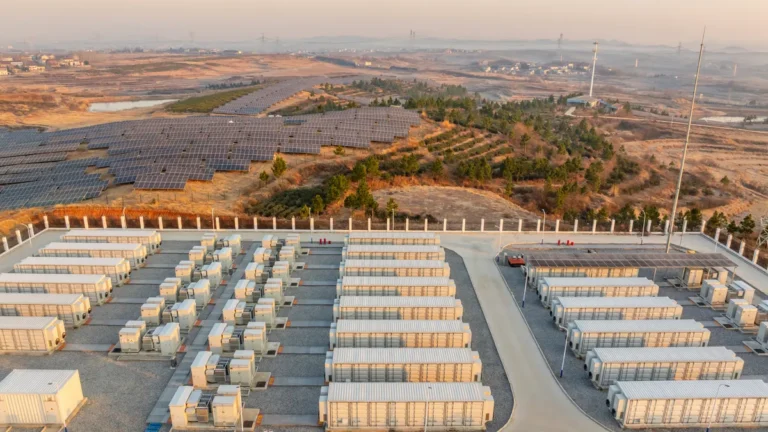
According to the study, the new transmission infrastructure will support more than 12,000 megawatts of additional electricity generation capacity in Minnesota. This includes a diverse mix of energy resources such as wind power, solar energy, battery storage systems, and natural gas generation facilities.
The expanded transmission network will allow new energy projects to connect to the grid more efficiently while also reducing existing bottlenecks that currently limit the delivery of electricity from some generation facilities.
Transmission constraints have become a growing challenge in many regions across the United States as renewable energy development accelerates. New transmission capacity can help unlock the full potential of existing resources while creating opportunities for additional investment in energy infrastructure.
The study estimates that more than $5 billion in additional economic activity could be generated through the new power generation projects enabled by the transmission expansion. This secondary economic impact would significantly increase the overall value of the initiative beyond the direct benefits associated with transmission construction itself.
Supporting a Diverse and Reliable Energy Future
Project developers note that the transmission expansion will support a more diverse energy portfolio while helping utilities maintain system reliability.
By creating additional pathways for electricity delivery, the project will improve the ability of utilities to balance supply and demand across a larger geographic area. This flexibility can enhance reliability during periods of extreme weather, equipment outages, or fluctuations in renewable energy production.
The integration of wind, solar, battery storage, and natural gas resources is expected to contribute to a more balanced and resilient energy system. At the same time, improved transmission infrastructure can help reduce congestion on the grid and improve overall operational efficiency.
Utility representatives state that investments such as PowerOn Midwest are essential for ensuring that the region remains competitive in attracting businesses and industries that depend on reliable electricity supplies.
Regulatory Progress and Next Steps
The project has already reached an important milestone in the regulatory approval process.
On February 3, 2026, participating utilities submitted a Certificate of Need application to the Minnesota Public Utilities Commission. This filing represents a critical step in demonstrating the necessity and benefits of the proposed transmission investment.
The project team is also preparing to advance regulatory efforts in South Dakota. Developers expect to submit a facility permit application to the South Dakota Public Utilities Commission in September, further advancing the project toward potential construction.
These regulatory reviews will evaluate factors such as system reliability, economic benefits, environmental considerations, route selection, and public interest impacts before final approvals are granted.
Building the Grid of the Future
The utilities behind PowerOn Midwest describe the project as one of the most ambitious transmission investments ever proposed for the region. By incorporating a 765-kV backbone transmission line, the initiative is intended to provide a scalable and future-ready infrastructure platform capable of supporting decades of growth.
Utility leaders believe the project will help create a stronger, more resilient electric grid capable of meeting future demands from residential customers, agricultural operations, commercial enterprises, and large industrial facilities.
As the energy transition continues and electricity becomes increasingly central to economic development, transmission investments are emerging as a critical component of regional competitiveness. PowerOn Midwest aims to position Minnesota, South Dakota, and the broader Upper Midwest to capitalize on future growth opportunities while maintaining reliable energy service for generations to come.
The economic impact estimates included in the study were developed using IMPLAN, a widely recognized economic modeling platform that incorporates project expenditures and data from federal, state, and local sources, including information from the U.S. Treasury. The findings underscore the substantial role transmission infrastructure can play in driving economic growth, supporting job creation, and enabling the next generation of energy development across the region.
Source Link: https://www.businesswire.com/