

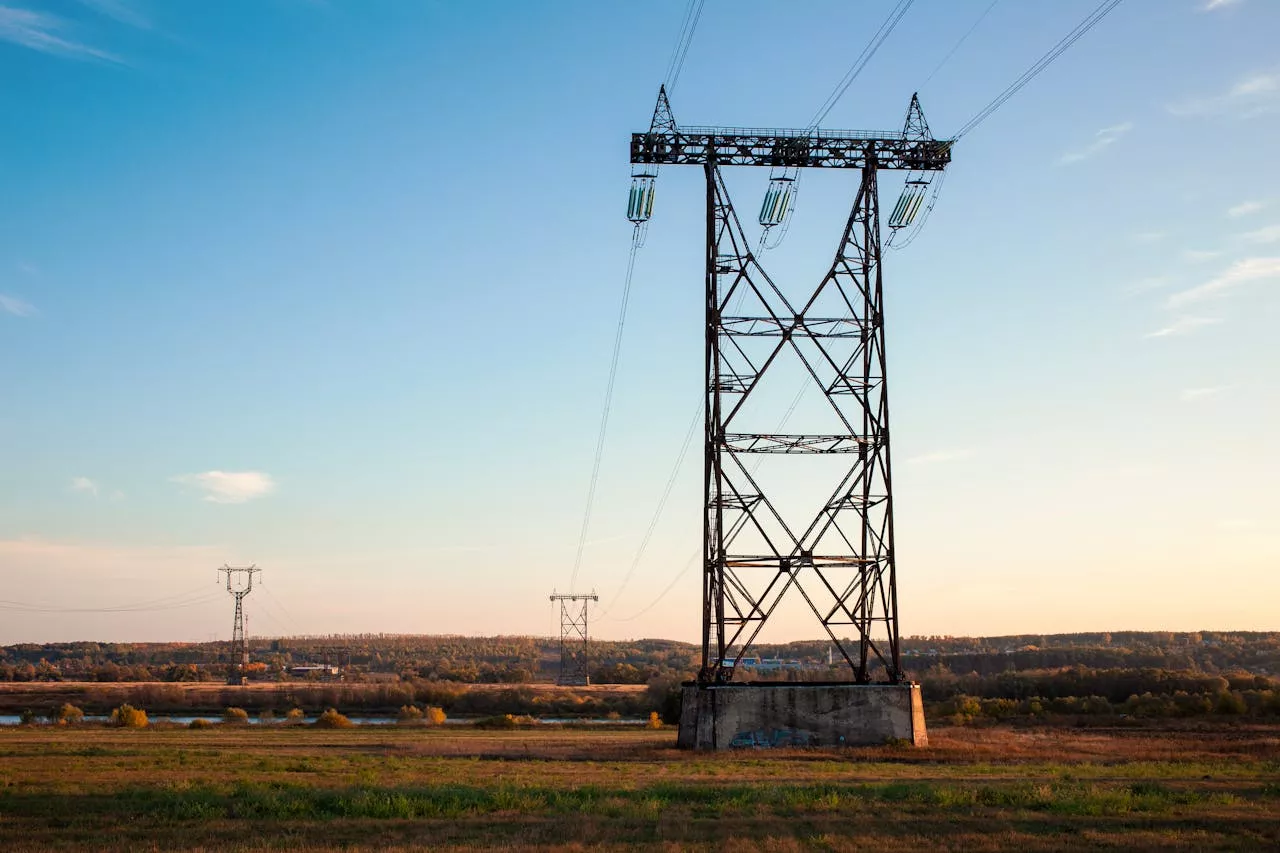
AltaLink Secures Funding for Dynamic Line Rating Project to Enhance Transmission Capacity
AltaLink has been awarded more than $1.8 million in funding from the Emissions Reduction Alberta (ERA), supported by the Government of Alberta, to advance its innovative Dynamic Line Rating (DLR) Project. The funding comes through ERA’s Industrial Transformation Challenge and represents a strategic investment aimed at modernizing Alberta’s electricity transmission system while maintaining affordability for consumers.
This financial support will offset a portion of the project’s overall cost and enable AltaLink to deploy advanced technologies designed to optimize transmission line capacity in real time. At its core, the DLR Project leverages data-driven insights and environmental monitoring to dynamically calculate how much electricity transmission lines can safely carry at any given moment. This approach marks a significant shift from traditional static line ratings, which rely on conservative assumptions and often underutilize available capacity.
AltaLink’s President and Chief Executive Officer, Gary Hart, emphasized the importance of the initiative and the recognition it has received from provincial authorities. He noted that being selected for ERA funding reflects the project’s potential to deliver tangible benefits to Alberta’s electricity system. According to Hart, the integration of advanced technology and real-time weather data will allow AltaLink to increase transmission capacity without the immediate need for building new infrastructure.
By maximizing the efficiency of existing transmission lines, the DLR Project aims to reduce costs associated with system expansion while ensuring reliable electricity delivery. This is particularly relevant in a province like Alberta, where energy demand continues to grow alongside economic development and population increases. Instead of relying solely on capital-intensive construction of new lines, AltaLink is focusing on smarter utilization of current assets.
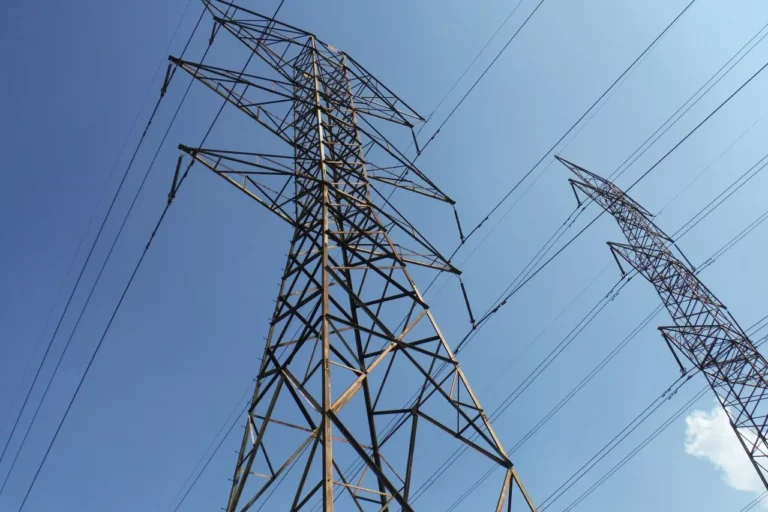
The technical scope of the DLR Project is extensive. It involves integrating real-time rating calculations directly into AltaLink’s control systems, enabling operators to make informed decisions based on continuously updated data. Additionally, the company will install specialized hardware and weather monitoring stations along approximately 113 kilometres of transmission lines in southern Alberta. These installations will collect localized environmental data such as temperature, wind speed, solar radiation, and other atmospheric conditions that influence the thermal limits of transmission lines.
Transmission lines are inherently affected by weather conditions. For example, cooler temperatures and higher wind speeds can enhance a line’s ability to dissipate heat, allowing it to carry more electricity safely. Conversely, hot and still conditions may reduce capacity. Traditional static ratings do not account for these real-time variations, often leading to conservative limits that restrict system efficiency. The DLR system addresses this limitation by continuously assessing actual conditions and adjusting line ratings accordingly.
Sensors deployed along the transmission corridor will play a crucial role in this process. These devices will measure localized weather conditions and feed data into advanced analytical models. The system will then calculate the real-time capacity of each transmission segment, enabling operators to safely increase power flow when conditions permit. This capability not only improves system utilization but also enhances grid flexibility, which is increasingly important as renewable energy sources such as wind and solar become more prominent.
The Alberta government has highlighted the broader significance of the project. Grant Hunter, Minister of Environment and Protected Areas, stated that initiatives like the DLR Project are essential for maintaining a reliable and affordable electricity system. He pointed out that funding provided through the province’s industry-supported TIER (Technology Innovation and Emissions Reduction) program is specifically designed to encourage practical innovations that deliver real-world benefits.
Hunter emphasized that Alberta’s electricity system must evolve to meet the demands of a growing province. By supporting projects that enhance efficiency and reduce costs, the government aims to ensure long-term sustainability and competitiveness. The DLR Project aligns with these objectives by offering a cost-effective alternative to traditional infrastructure expansion while also contributing to emissions reduction through improved system efficiency.
From a broader perspective, the implementation of dynamic line rating technology represents a significant step forward in grid modernization. As electricity systems around the world face increasing pressure from rising demand, electrification, and the integration of renewable energy, utilities are exploring innovative solutions to optimize performance. DLR is emerging as a key tool in this effort, providing a means to unlock hidden capacity within existing infrastructure.
AltaLink’s initiative also underscores the importance of collaboration within the energy sector. The company plans to work closely with the Alberta Electric System Operator (AESO) to evaluate the results of the project and determine its potential for broader application. This partnership will be critical in assessing how DLR technology can be scaled across Alberta’s transmission network and integrated into overall system planning.
The phased implementation of the DLR Project is expected to begin in 2026. During this phase, AltaLink will deploy the necessary hardware, integrate the technology into its operational systems, and conduct thorough testing to ensure reliability and accuracy. The data collected during this period will provide valuable insights into the performance of dynamic line rating under various conditions and help refine the models used for capacity calculations.
If successful, the project could pave the way for wider adoption of DLR technology across the province and potentially beyond. The ability to increase transmission capacity without building new lines offers significant economic and environmental advantages. It reduces the need for land use and construction, minimizes regulatory hurdles, and accelerates the deployment of solutions to address capacity constraints.
Moreover, the project aligns with broader trends in digitalization and smart grid development. By incorporating real-time data analytics and advanced monitoring systems, AltaLink is moving toward a more responsive and adaptive grid. This transformation is essential for accommodating the variability of renewable energy sources and ensuring system resilience in the face of changing conditions.
For Alberta consumers, the benefits of the DLR Project are expected to be ملم محسوس in the form of more stable and potentially lower electricity costs. By deferring or avoiding expensive infrastructure projects, utilities can help keep transmission charges in check. At the same time, improved system efficiency enhances reliability, reducing the risk of congestion and outages.
Source Link: https://www.businesswire.com/