


Pacific Coast Energy Plans $3.5 Billion Investment to Revitalize Venezuelan Oil Fields
Pacific Coast Energy Company (PCEC), a California-based energy company with more than three decades of experience in heavy crude oil operations, has announced strategic agreements with Petróleos de Venezuela, S.A. (PDVSA) to revitalize and develop the Delta and Cabimas oil fields in Venezuela. The company expects to invest approximately $3.5 billion in total capital over the lifetime of the contracts, supporting a long-term redevelopment program aimed at increasing production, restoring infrastructure and improving recovery from the two oil-producing blocks.
PCEC assumed operational responsibility for the fields during the third quarter of 2026. Following the transition, the company began implementing its redevelopment strategy, focusing on reactivating inactive wells, deploying additional drilling equipment and upgrading essential production systems. Based on its current projections, PCEC expects oil production to double from a starting level of 19,300 barrels per day (BPD) within six months of taking over operations.
The longer-term development program targets peak production of between 150,000 and 160,000 BPD, with output at those levels projected to be sustained for more than 10 years. Achieving these targets will depend on the successful execution of the redevelopment program, continued investment and the performance of the rehabilitated oil field infrastructure.
Early Operational Progress in Delta and Cabimas
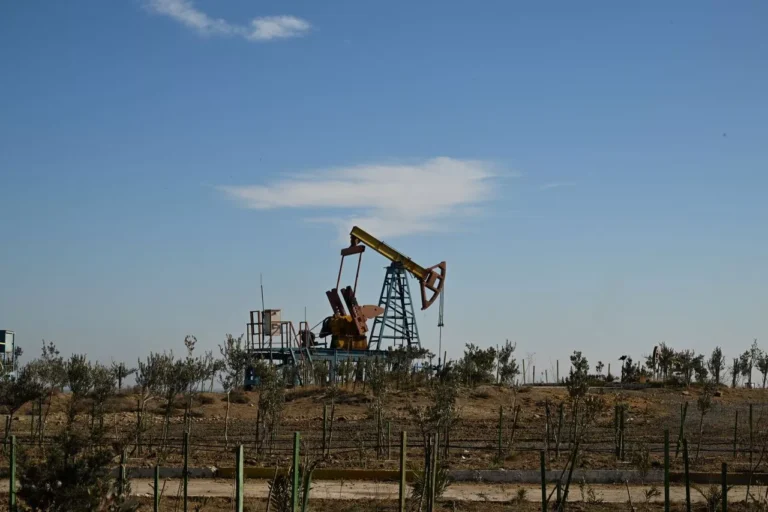
PCEC has reported several operational milestones since beginning work under the agreements. The company has reactivated more than 50 wells, restoring production capacity from assets that had previously been inactive. The well reactivation effort represents an initial stage of a broader program designed to increase output and recover additional oil from the established fields.
The company has also introduced four oil rigs into operations, increasing the number of rigs from zero. This equipment deployment supports the planned reactivation of 900 wells in the Cabimas block, forming a central component of the company’s strategy to expand production capacity.
In the Delta block, PCEC has initiated a campaign to replace electric submersible pumps (ESPs) in 37 wells. These pumps are essential to lifting oil from wells where natural reservoir pressure alone may not provide sufficient flow. Replacing aging or ineffective pumping equipment is expected to help restore production and improve the performance of selected wells.
According to PCEC, the first replacement ESP was delivered less than 30 days after operations began. The delivery also marked the first new ESP acquired for the Delta block in eight years. The milestone highlights the company’s initial efforts to address equipment requirements and strengthen the operational systems needed to support its development plans.
The early work forms part of a wider program to improve field reliability, bring dormant assets back into service and establish the equipment and workforce capacity required for increased production. Further progress will depend on the pace of well rehabilitation, equipment availability and the effectiveness of ongoing field operations.
Investment in Local Suppliers and Employment
Alongside its technical and production initiatives, PCEC has begun directing investment toward local businesses and personnel. The company has committed $80 million to materials and services to date, engaging 18 local material suppliers and 35 local service providers to support its operations.
These commitments are intended to help secure the equipment, materials and services required for field redevelopment while involving Venezuelan businesses in the operational supply chain. Local sourcing can also support commercial activity in the communities surrounding the projects as demand for oil field services and industrial supplies increases.
PCEC has additionally engaged more than 1,000 local personnel to support its activities in the Delta and Cabimas fields. The workforce will contribute to well reactivation, equipment deployment, maintenance and other operational requirements as the development program advances.
The company’s approach combines investment in production assets with the use of local expertise and service capabilities. As work progresses, the availability of trained personnel, reliable suppliers and appropriate equipment will remain important factors in delivering the planned production increases.
Long-Term Recovery and Production Targets
The redevelopment plan established under the Contratos de Participación Productiva (CPPs) предусматриes cumulative gross production of one billion barrels of oil. The program aims to increase the average field recovery factor from approximately 13% to a range of 16% to 18%.
The recovery factor measures the proportion of the oil originally present in a reservoir that can ultimately be produced. Increasing this percentage would allow a greater share of the fields’ existing resources to be recovered, potentially extending their productive contribution over the long term.
PCEC believes significant production potential remains available in both blocks. Its development strategy is designed to capture more of that potential through well rehabilitation, pumping-system replacements, additional equipment and sustained capital investment.
Under the CPP agreements, PCEC has been granted full operational control of the projects and responsibility for their technical, financial and commercial management. This arrangement places the company in charge of coordinating field development activities and managing the resources needed to execute its production plans.
The agreements establish the operational framework for PCEC’s investment program while maintaining PDVSA’s role as the Venezuelan state oil company involved in the strategic partnership. The projects’ long-term results will depend on how effectively the companies’ arrangements support redevelopment, production growth and continued field operations.
Company Leadership Highlights Partnership
Klaus Hasbo, chief executive officer of PCEC, said the company’s early capital commitments, management experience and technical expertise in heavy crude production were already delivering results that exceeded expectations.
He highlighted the contribution of local employees, supported by updated equipment and the company’s experience in heavy crude extraction, to restoring long-dormant energy assets in Delta and Cabimas. Hasbo also acknowledged the cooperation of the PDVSA team and expressed the company’s intention to continue working with its Venezuelan partners.
According to Hasbo, PCEC aims to contribute to Venezuela’s economic recovery while building a productive long-term relationship that benefits the country and its population.
PCEC’s Operational Presence
Pacific Coast Energy Company is based in Santa Barbara County, California, and maintains corporate offices in Houston, Texas, and Caracas, Venezuela. Its operational offices are located in Maturin and Cabimas, positioning the company to coordinate activities across its Venezuelan projects.
With a planned investment of $3.5 billion, early well reactivations, new equipment deployment and a workforce exceeding 1,000 local personnel, PCEC is beginning a substantial redevelopment effort in the Delta and Cabimas blocks. The company intends to increase production in the near term while pursuing higher recovery rates and sustained output over the longer term. Its progress will be measured by its ability to execute the planned well program, meet production targets and deliver the projected cumulative recovery of one billion barrels.
Source Link: https://www.businesswire.com/