


Google and Constellation Energy Announce 890 MW Nuclear Capacity Agreement
Google and Constellation Energy have announced a long-term strategic clean energy collaboration designed to add 890 megawatts (MW) of new, reliable nuclear capacity to the PJM Interconnection grid. The agreement is intended to address rapidly increasing electricity demand while strengthening grid reliability and supporting the continued operation of existing nuclear infrastructure.
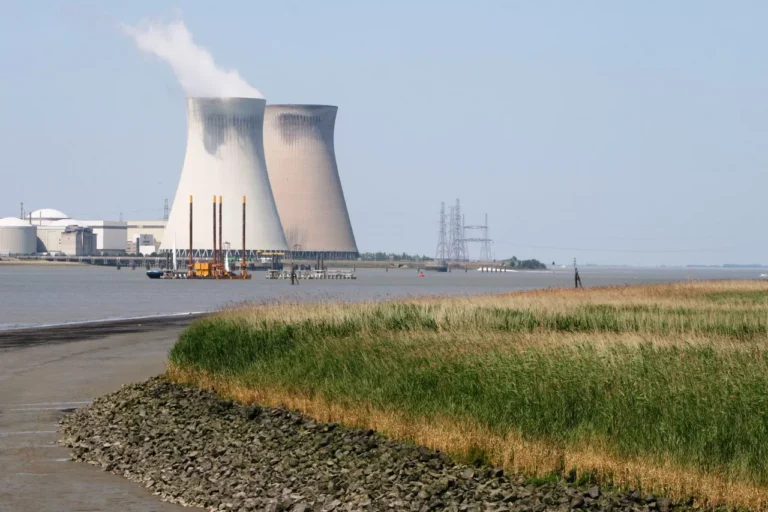
At the center of the collaboration is a 20-year power purchase agreement that will support investments in new equipment and technologies across 11 Constellation-owned nuclear units located in Illinois, Pennsylvania and New Jersey. The upgrades are expected to improve thermal and electrical efficiency at existing facilities, allowing them to generate additional firm power for the PJM system.
The 890 MW represents entirely new generation capacity rather than a transfer of existing electricity supply. Constellation expects the initiative to sustain approximately 4,400 existing jobs, create about 7,200 construction positions during the development period and generate more than $4.3 billion in new investment by the company.
Alongside the new capacity agreement, Google and Constellation have entered into a separate 15-year energy supply agreement covering 2,700 MW from Constellation’s existing PJM generation fleet. The arrangement is designed to provide greater revenue certainty and help ensure the company’s operating nuclear assets continue supplying electricity and capacity to the regional market.
Nuclear Uprates Offer Faster Path to New Capacity
The collaboration comes as electricity consumption is rising because of manufacturing expansion, industrial electrification, data centers and other digital infrastructure. Nuclear uprates provide a way to increase electricity output from existing plants without waiting for the lengthy development schedules associated with entirely new power stations.
The planned investments will include modernization and upgrades involving equipment such as turbines, steam generators and digital control systems. By improving the performance of operating reactors, Constellation can unlock additional firm, carbon-free electricity while using infrastructure that is already connected to the grid.
The 890 MW of incremental capacity is comparable to the output that could be provided by several small modular reactors or a large conventional nuclear reactor. The project also supports the objectives of the federal government’s UPRISE program, which encourages public-private efforts to increase electricity production from existing U.S. nuclear facilities.
Amanda Peterson Corio, global head of energy and power at Google, said the company is focused on supporting growth through investments in clean and dependable electricity. She noted that the agreement is expected to strengthen the PJM grid, which serves approximately 67 million people, while supporting affordability and local union employment.
Constellation Chairman, President and CEO Joe Dominguez said maintaining and increasing production from the existing nuclear fleet is important for meeting rising electricity requirements while keeping energy affordable. He described the collaboration as a potential model for cooperation between technology companies and the energy industry as digital demand grows.
Supporting Responsible Electricity Demand in PJM
The agreement also provides a commercial response to PJM’s “Bring Your Own Power” concept, which focuses on connecting new electricity demand with additional generation resources. Under the arrangement, Google is supporting the development of new capacity alongside its growing power requirements rather than relying solely on existing grid resources.
The approach is also aligned with Google’s commitment to responsible energy growth and the White House Ratepayer Protection Pledge. The company aims to support additional electricity supply without shifting the cost of new infrastructure onto residential customers.
The broader agreement includes several major components. The first is the addition of 890 MW of carbon-free generation through investments at multiple nuclear facilities, with the first uprate expected to be delivered in 2028.
The second component is the 15-year agreement covering 2,700 MW of existing generation. By providing long-term commercial certainty, the arrangement is designed to help keep existing resources economically viable and available to the PJM market.
The companies will also incorporate load-shaping and demand-response capabilities. These measures can help reduce non-critical electricity consumption during periods when the grid is under significant stress, providing additional flexibility as electricity demand increases.
The investment is expected to deliver economic benefits across nuclear communities in Illinois, Pennsylvania and New Jersey. Along with sustaining approximately 4,400 existing positions, the project is expected to generate about 7,200 construction jobs and more than $4.3 billion in new investment.
Exploring Additional Clean Energy Opportunities
Google and Constellation have also established a strategic framework to evaluate additional clean generation, energy storage and demand-response opportunities across the United States.
The framework will examine potential projects, commercial arrangements and policy pathways that could enable additional clean energy resources to support Google’s future electricity requirements. The companies intend to prioritize opportunities in the PJM region in the near term while evaluating possibilities across other U.S. markets.
Applying AI to Energy Operations
The partnership extends beyond electricity procurement. Under an expanded five-year technology alliance, Constellation plans to use Google Cloud and Gemini Enterprise to develop AI-enabled workflows for its energy operations.
One priority is improving the speed at which new electricity capacity can reach the grid. AI tools can support site selection, power-flow modeling, permitting and interconnection planning, potentially reducing engineering and regulatory timelines associated with nuclear upgrades.
A second focus is generation optimization. AI-enabled asset health monitoring, outage planning, turnaround management and scenario analysis can help operators improve plant performance and coordinate construction activities more efficiently.
The third area is critical infrastructure protection. Google Cloud technologies will be used for highly regulated energy operations and to strengthen security around operational technology networks. Many of these systems are isolated from conventional networks while remaining connected to the bulk electric system, making cybersecurity and resilience essential to reliable grid operations.
Through the collaboration, Google and Constellation are combining long-term nuclear investment with advanced digital technologies to address growing electricity demand. The partnership could provide a model for how technology companies and energy producers can jointly finance new clean capacity, improve existing generation and strengthen grid reliability while supporting economic growth.
Source Link: https://www.businesswire.com/