

ORLEN and Port of Gdynia Explore LNG and BioLNG Bunkering for Shipping
ORLEN and the Port of Gdynia Authority have signed an agreement to examine the potential use of liquefied natural gas (LNG) and bioLNG as marine fuels, marking another step toward expanding alternative-fuel options for shipping along the Polish coast. The partnership will focus on understanding market demand, evaluating possible bunkering services and identifying the infrastructure and operational solutions required to make LNG and bioLNG more widely available to vessels operating from the Port of Gdynia.
The agreement reflects the growing importance of alternative marine fuels as the shipping industry works to reduce greenhouse gas emissions and adapt to increasingly stringent environmental requirements. By combining ORLEN’s expertise across the fuel supply chain with the Port of Gdynia’s knowledge of maritime operations and infrastructure, the two organisations aim to determine how LNG and bioLNG bunkering could be introduced efficiently and safely.
The cooperation will initially involve a detailed assessment of market demand for LNG and bioLNG among shipowners and port users. Particular attention will be given to vessels operating regular services, including ferries, container ships and roll-on/roll-off (ro-ro) vessels. Understanding the fuel requirements of these operators will help determine the scale and type of bunkering infrastructure that could eventually be required.
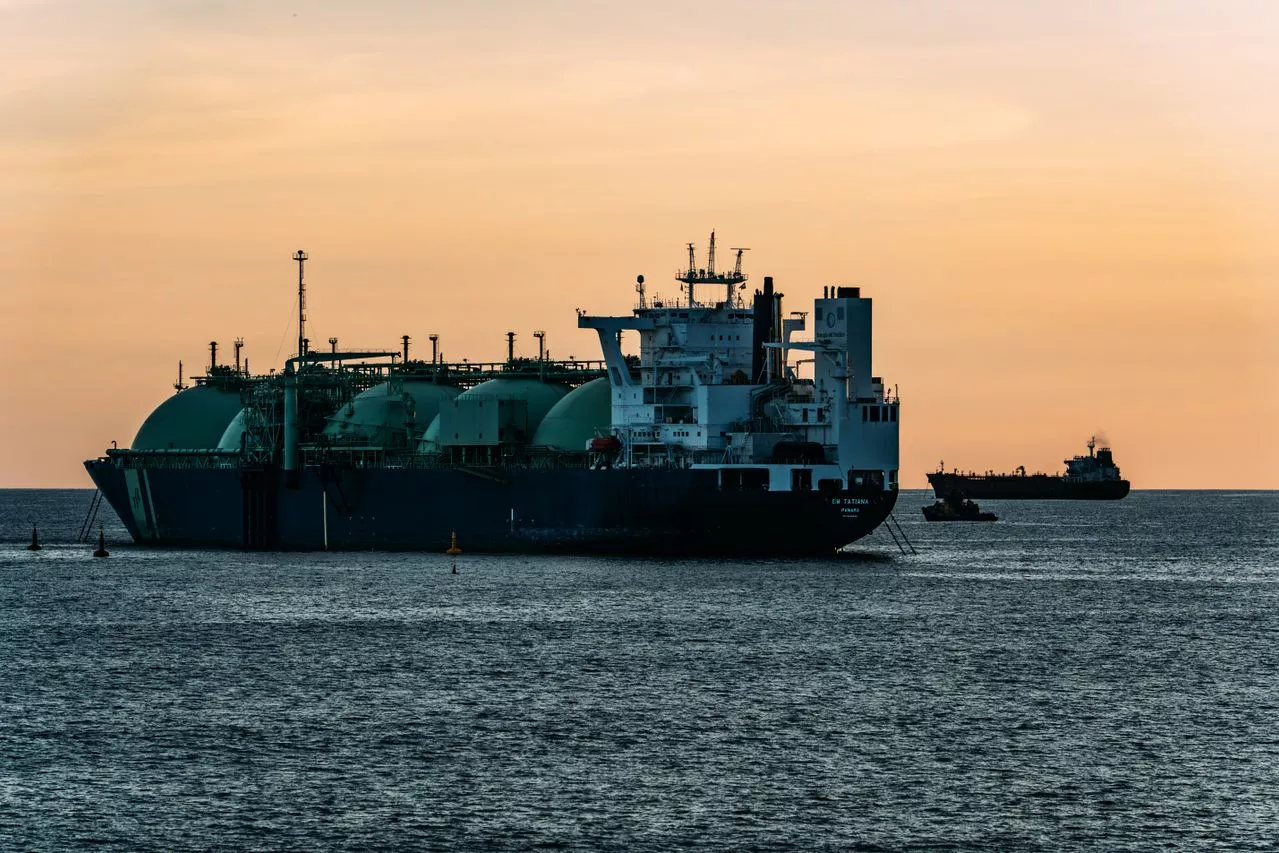
The partners will also assess different bunkering models and the technical conditions needed to support them. One important option under consideration is waterside bunkering, including ship-to-ship fuel transfer. Under this model, LNG or bioLNG would be delivered directly from a dedicated bunker vessel to a ship operating in the port. Such an approach could provide greater flexibility in supplying marine fuel and could potentially serve larger vessels without requiring extensive modifications to existing port infrastructure.
Another area of analysis will be the possibility of bunkering vessels while they are alongside a berth. The partners will examine whether fuel transfer could take place at the same time as cargo handling or other port activities. Such an arrangement could help reduce additional port calls or operational downtime, although it would need to meet strict safety, traffic-management and terminal-operation requirements.
Robert Soszyński, Vice President of the ORLEN Management Board, Operations, said the expanded cooperation with the Port of Gdynia represents an important step in developing the LNG and bioLNG market in the Tricity area. He linked the initiative to ORLEN Group’s broader transformation of its fuel portfolio through 2035.
According to Soszyński, gas, including LNG, is expected to remain a strategic transitional fuel supporting energy security and the decarbonisation of transport. ORLEN is seeking to develop competitive capabilities across the full value chain, covering fuel supply, logistics and end use.
At the same time, the company is expanding its activities in renewable fuels, including bioLNG. Produced from renewable sources such as biogas, bioLNG has the potential to contribute to lower greenhouse gas emissions in heavy-duty road transport and maritime applications. Its compatibility with LNG-based infrastructure and equipment could also make it an attractive option for operators seeking to gradually reduce the carbon intensity of their fuel consumption.
Soszyński said ORLEN aims to become more than a conventional fuel supplier for ports. The company intends to act as a long-term partner in the energy transition by supporting the development of infrastructure and market conditions that could enable alternative marine fuels to grow in Poland and across the wider region.
Piotr Gorzeński, CEO of the Port of Gdynia Authority, said the maritime energy transition is already influencing decisions made by shipowners and ports. Ship operators are increasingly considering technologies and fuels that can reduce emissions, while ports must prepare to accommodate vessels powered by different energy sources.
Gorzeński noted that it remains difficult to predict which technologies will dominate maritime transport over the next decade or two. For this reason, the Port of Gdynia is seeking to develop infrastructure that can respond to changing vessel requirements and support emissions reductions.
The cooperation with ORLEN forms part of this broader effort. By examining LNG and bioLNG bunkering now, the port can assess potential infrastructure requirements and operational models before making longer-term investment decisions.
The partnership will include knowledge sharing between the two organisations, an assessment of shipowners’ needs and an examination of alternative solutions already being deployed at other European ports. The partners will consider how different bunkering models could be adapted to Gdynia’s specific operating environment.
Safety will remain a central consideration throughout the assessment. LNG and bioLNG bunkering require carefully managed fuel-transfer procedures, appropriate safety zones, trained personnel and coordination between vessels, terminals and port authorities. The partners will therefore examine regulatory requirements as well as the technical and operational conditions associated with each potential bunkering model.
The study will also consider the impact of bunkering activities on vessel traffic, berth availability and terminal operations. Any future solution would need to minimise disruption to port activity while maintaining operational efficiency and ensuring that cargo-handling schedules can continue without unnecessary interruptions.
The initiative comes as the European maritime sector adapts to a rapidly changing regulatory landscape. The FuelEU Maritime regulation entered into force in 2025 and introduced progressively stricter requirements concerning the greenhouse gas intensity of energy used by ships. These requirements are encouraging shipowners and maritime infrastructure operators to evaluate a wider range of lower-emission fuels and technologies.
LNG and bioLNG are among the options being assessed across the shipping industry, alongside fuels and technologies such as methanol, ammonia, hydrogen, shore-side electricity and energy-efficiency solutions. Different vessel types and operating profiles may require different approaches, meaning that ports are increasingly expected to provide flexible energy infrastructure capable of supporting multiple fuel pathways.
For ORLEN, the cooperation with the Port of Gdynia provides an opportunity to strengthen its position in the developing alternative marine fuels market. The company is expanding its capabilities in LNG and bioLNG as it responds to changing customer requirements and the broader transformation of European transport.
The Port of Gdynia, meanwhile, can use the assessment to better understand how future bunkering services could fit within its existing infrastructure and long-term development plans. The findings could help identify the most suitable technical, commercial and operational models for serving vessels that adopt LNG or bioLNG.
The initiative is intended as a long-term effort rather than an immediate commitment to a specific infrastructure project. Its objective is to establish a clearer understanding of the market, identify potential demand and determine what infrastructure and operating conditions would be necessary for alternative marine fuels to develop successfully.
As shipping companies continue to navigate the transition toward lower-carbon operations, access to reliable and competitively priced marine fuels will become increasingly important. Ports that can provide multiple energy options could gain a strategic advantage as vessel technologies and fuel choices diversify.
Through their cooperation, ORLEN and the Port of Gdynia Authority are therefore laying the groundwork for a potential LNG and bioLNG bunkering ecosystem in northern Poland. The initiative combines fuel-supply expertise with port infrastructure planning and reflects a broader effort to prepare the Polish maritime sector for the changing energy needs of shipping.
The partnership also highlights the importance of collaboration across the maritime energy value chain. As regulation, technology and customer expectations continue to evolve, coordinated investment and planning will be essential to developing infrastructure capable of supporting the next generation of vessels.
For ORLEN, LNG and bioLNG form part of a wider strategy to diversify its fuel portfolio and participate in the transformation of transport. For the Port of Gdynia, the initiative represents another step toward preparing its facilities for vessels using alternative fuels. Together, the organisations will evaluate how these solutions can be introduced while maintaining safety, efficiency and continuity of port operations.
The outcome of the cooperation could provide a foundation for future decisions concerning LNG and bioLNG bunkering in Gdynia and potentially contribute to the development of a broader alternative marine fuels market along the Polish coast.
Source Link: https://www.orlen.pl/