

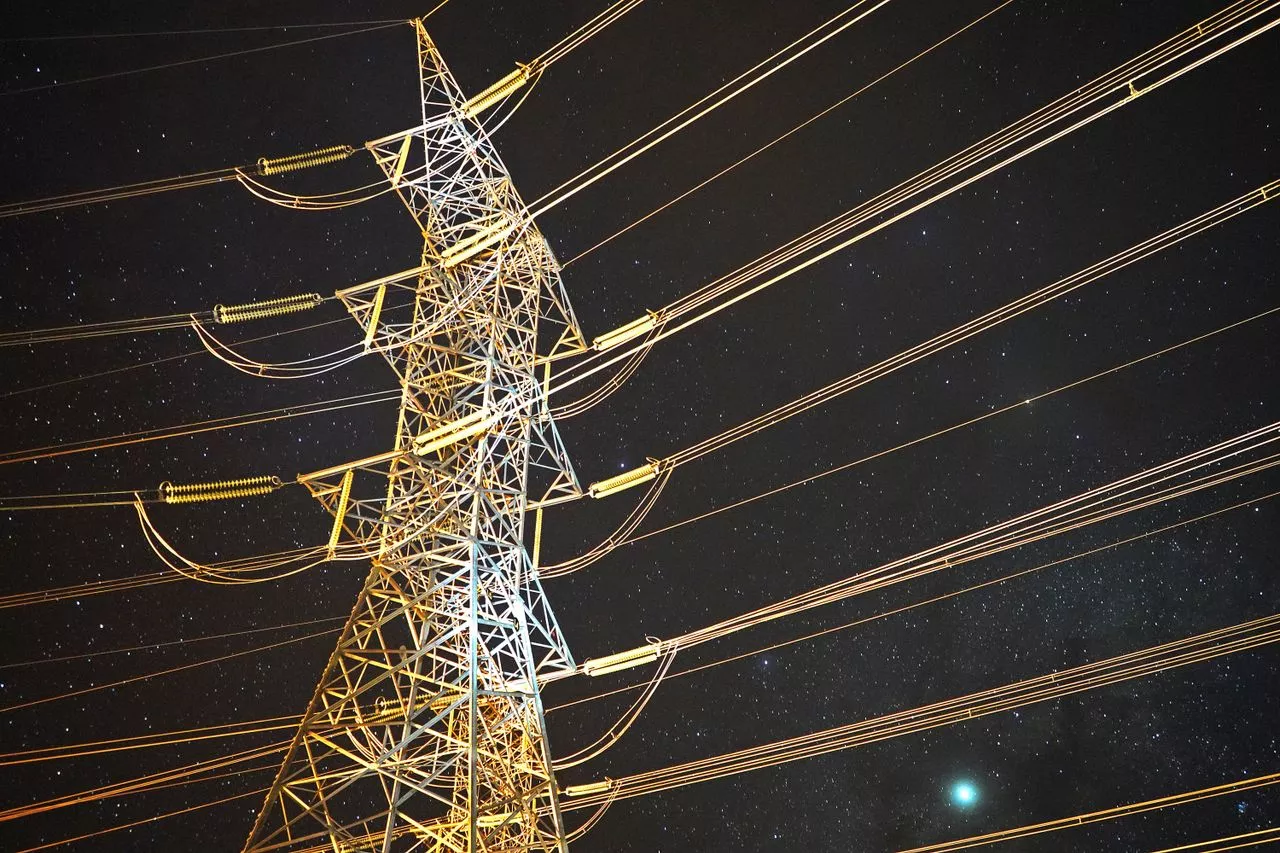
NPCC Forecasts Strong Summer Grid Reliability Across Northeastern North America in 2026
The Northeast Power Coordinating Council (NPCC) has projected that electricity supplies across Northeastern North America will remain reliable throughout the summer of 2026, supported by robust generating resources, strengthened transmission infrastructure, and coordinated grid operations. According to the organization’s latest Summer Reliability Assessment, the region is expected to maintain sufficient capacity to meet anticipated electricity demand even under a range of challenging operating scenarios.
The assessment encompasses a broad geographic footprint that includes New York, the six New England states, and the Canadian provinces of Ontario, Québec, New Brunswick, and Nova Scotia. Together, these jurisdictions form one of the most interconnected and economically significant electricity markets in North America, requiring close coordination among utilities, system operators, and reliability organizations.
NPCC’s analysis indicates that the combined summer peak demand across the region is expected to reach approximately 105,000 megawatts (MW). This forecast is modestly higher than the projection issued for the previous summer, reflecting an increase of roughly 400 MW. Despite the growth in demand, available electricity resources are expected to comfortably exceed peak requirements.
Installed generating capacity across the NPCC region is projected to total approximately 158,000 MW during the summer season. This represents an increase of about 1,700 MW compared with last year’s available capacity. Much of the capacity growth is attributed to new natural gas-fired generation and energy storage resources expected to enter service in Ontario, contributing additional flexibility and reliability to the regional power system.
As a result, the region is anticipated to maintain a healthy operating margin. NPCC estimates spare operable capacity—generation available beyond reserve requirements—to range between approximately 6,700 MW and more than 15,000 MW during the summer months. These reserves serve as a critical safeguard, enabling system operators to respond to unexpected changes in demand, equipment failures, or other operational challenges while maintaining reliable electricity service.
The annual reliability assessment examines not only expected operating conditions but also a variety of stress scenarios designed to test the resilience of the power system. These evaluations help determine whether electricity supplies and transmission infrastructure can continue supporting customer demand under adverse circumstances.
Among the scenarios analyzed were periods of higher-than-anticipated electricity consumption, forecasting uncertainties related to weather and economic activity, unexpected outages at power plants, transmission bottlenecks within the region and neighboring systems, and situations involving simultaneous reductions in generating capacity and electricity transfer capability. By examining these potential risks, NPCC seeks to ensure that system operators and utilities remain prepared for a wide range of operating conditions.
According to Charles Dickerson, President and Chief Executive Officer of NPCC, the assessment demonstrates the region’s overall readiness for the upcoming summer season. He noted that the combination of available generation resources and transmission capability provides confidence that peak electricity demand can be met reliably across a broad spectrum of conditions.
Dickerson emphasized that established operational procedures are already in place to address unforeseen circumstances should they arise. These procedures allow system operators to maintain the balance between electricity supply and demand, helping preserve stability across the interconnected grid even during periods of stress.
The report highlights positive reliability expectations across all major subregions. New England, New York, Ontario, Québec, and the Maritime provinces are each forecast to maintain adequate electricity supplies throughout the summer period. The findings underscore the value of regional coordination and interconnected transmission networks that enable power sharing among jurisdictions when needed.
Québec is expected to play a particularly important role in supporting regional reliability. Unlike many neighboring areas that experience their highest electricity demand during the summer months, Québec’s electricity system is primarily winter-peaking because of extensive electric heating use. As a result, the province typically has significant surplus generating capability available during summer.
This surplus capacity allows Québec to export electricity to neighboring regions when market conditions and system requirements warrant. Such transfers can provide additional support during periods of elevated demand elsewhere in Northeastern North America, enhancing overall reliability across the interconnected network.
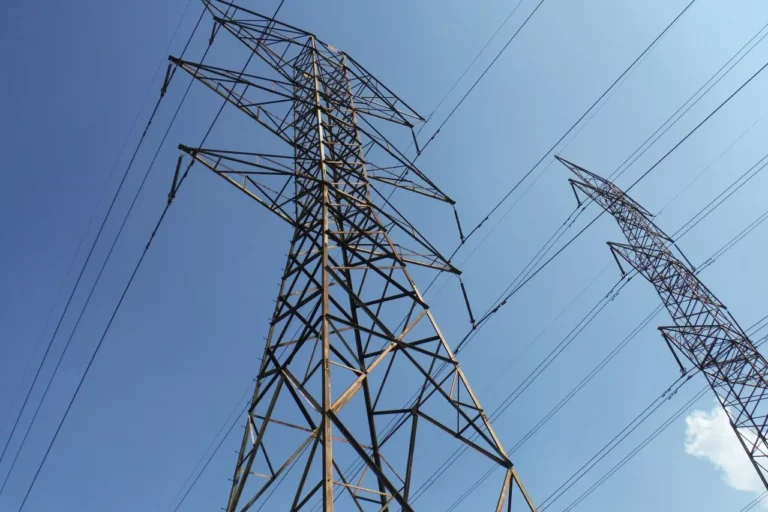
Another factor strengthening reliability prospects for 2026 is the completion of several major transmission projects. According to NPCC officials, recently commissioned transmission upgrades in both New York and New England have enhanced the region’s ability to move electricity efficiently and reliably between areas.
These infrastructure investments improve operational flexibility, reduce congestion risks, and strengthen resilience against equipment outages or localized system disturbances. Enhanced transmission capability also allows operators to better utilize diverse generation resources located across the region, improving overall grid performance during peak-demand periods.
Phil Fedora, NPCC’s Chief Engineer and Senior Vice President of External Affairs, noted that these newly completed transmission projects have contributed significantly to improving regional reliability heading into the summer season. The additional infrastructure strengthens the interconnected network and supports more efficient power transfers across key transmission corridors.
While the overall outlook remains favorable, NPCC and regional grid operators continue to maintain a high level of vigilance throughout the summer. Reliability planning does not end with the publication of seasonal assessments. Instead, system operators engage in continuous monitoring and coordination activities designed to identify and address emerging issues before they impact consumers.
NPCC facilitates ongoing communication among reliability coordinators, transmission operators, balancing authorities, and neighboring regions. Daily operational reviews, week-ahead planning sessions, and special coordination calls are conducted whenever circumstances warrant additional attention.
These collaborative efforts enable operators to share information regarding current system conditions, weather forecasts, planned maintenance schedules, transmission outages, and generation availability. They also help coordinate emergency support arrangements that can be activated if unexpected reliability challenges occur.
In addition to operational coordination, NPCC remains actively involved in broader industry initiatives focused on grid reliability, resilience, and cybersecurity. Information sharing among utilities and system operators has become increasingly important as electric systems grow more complex and interconnected, particularly amid evolving energy technologies and changing demand patterns.
The organization is also paying close attention to space weather risks during the summer season. Solar activity has increased in recent years, leading to a heightened likelihood of geomagnetic disturbances caused by solar storms. These events can affect high-voltage transmission systems and other critical infrastructure if sufficiently intense.
To address this risk, grid operators across the NPCC region maintain established procedures designed to mitigate the potential impacts of geomagnetic disturbances. These protocols include enhanced monitoring, operational adjustments, and coordination measures that can be implemented when solar storm activity threatens power system operations.
Overall, NPCC’s 2026 Summer Reliability Assessment presents a positive outlook for electricity reliability across Northeastern North America. Supported by growing generating capacity, strengthened transmission infrastructure, significant reserve margins, and extensive operational coordination, the region appears well-positioned to meet summer electricity demand while maintaining reliable service for millions of homes, businesses, and industries. As temperatures rise and electricity consumption increases, utilities and system operators will continue working together to ensure the power grid remains secure, resilient, and capable of supporting the region’s energy needs.
Source Link: https://www.businesswire.com/