

Iberdrola Expands Clean Energy Partnership in Washington Through Long-Term Power Deal With Puget Sound Energy
Iberdrola has strengthened its footprint in the United States renewable energy market through a new long-term power purchase agreement (PPA) signed with Puget Sound Energy (PSE) in Washington State. The agreement, executed through Iberdrola’s U.S. subsidiary, Avangrid, represents another important milestone in the companies’ ongoing collaboration in the Pacific Northwest and reinforces efforts to provide reliable clean energy to support growing electricity demand.
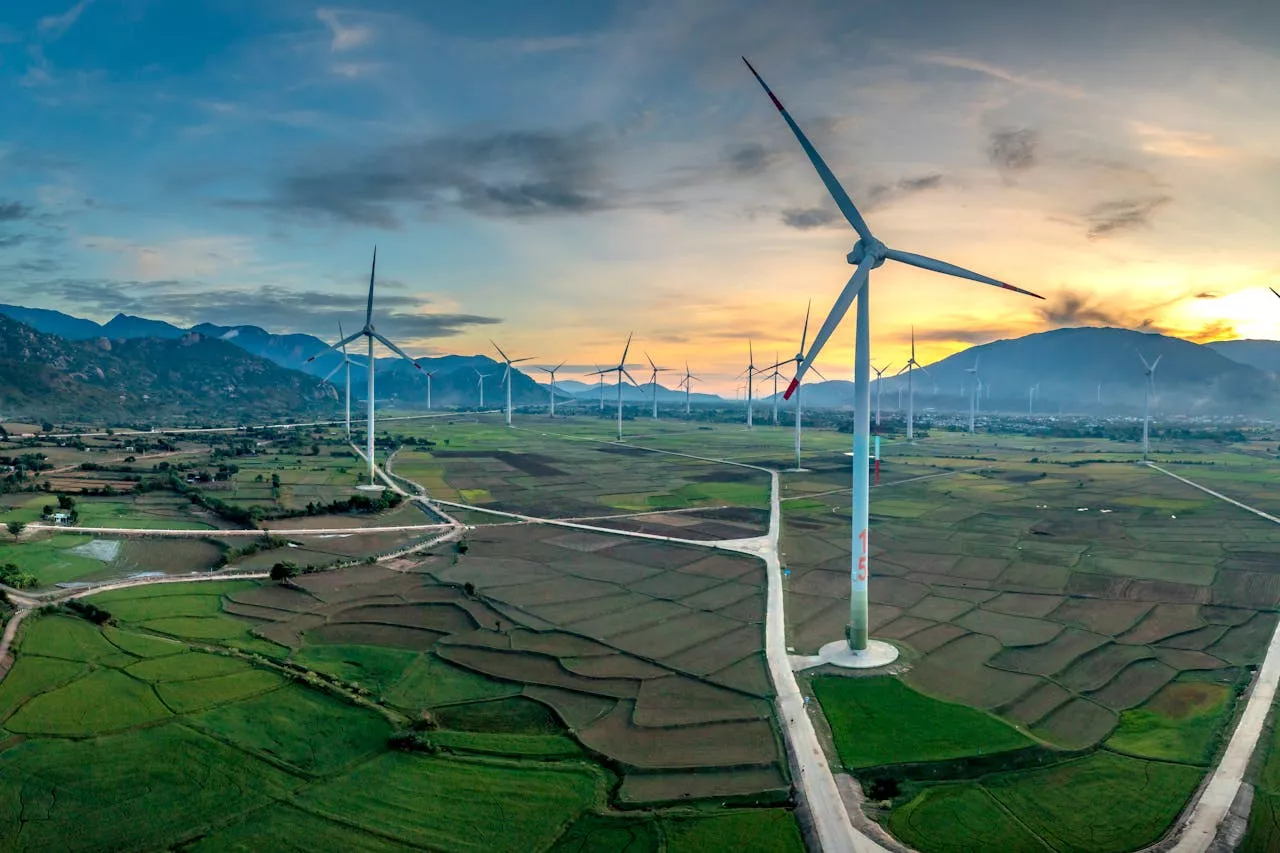
At the center of the agreement is the Big Horn I wind farm, a major renewable energy asset located in Klickitat County, Washington. Through the long-term arrangement, clean electricity generated by the facility will continue to contribute to the regional power mix while supporting Washington’s broader transition toward low-carbon electricity generation. The agreement also highlights increasing cooperation between utilities and renewable developers to modernize aging infrastructure and extend the lifespan of operating assets instead of replacing them entirely.
The Big Horn I wind farm currently has an installed generation capacity of 199.5 megawatts (MW), making it an important contributor to renewable energy production in the state. The facility generates enough electricity annually to serve approximately 70,000 homes, helping communities access cleaner sources of power while reducing dependence on more carbon-intensive energy generation methods.
The long-term PPA provides certainty for both companies by ensuring continued energy supply from the wind farm over an extended period. Such agreements are increasingly important in electricity markets because they help stabilize pricing, secure clean generation capacity, and provide long-term revenue visibility for renewable infrastructure owners. For utilities, PPAs can help ensure reliable access to renewable electricity that aligns with environmental goals and regulatory expectations while helping meet increasing customer demand.
The agreement also deepens an already established relationship between Avangrid and Puget Sound Energy. The two companies have previously collaborated on three renewable energy projects in the Pacific Northwest region: Golden Hills, Lund Hill, and Klondike III. Together, these projects account for more than 600 MW of combined renewable generation capacity, illustrating a partnership that has steadily expanded over time.
By adding Big Horn I to their list of joint initiatives, the two companies are further strengthening a relationship centered on renewable energy reliability and long-term regional electricity planning. The Pacific Northwest has emerged as an important market for wind and renewable power development due to strong natural wind resources, supportive policies, and increasing energy demand from households, businesses, and industrial consumers.
One of the most significant elements of the new agreement involves plans to modernize the Big Horn I facility through a repowering process. Originally placed into operation in 2006, the wind farm has already spent nearly two decades supplying electricity to the region. Under the PPA, Avangrid will undertake upgrades to key components of the site to extend its operational lifespan and improve performance.
Repowering projects have become increasingly common in the renewable energy sector because they allow operators to maximize existing infrastructure and locations that are already connected to transmission systems. Rather than developing entirely new facilities, companies can replace or upgrade turbines, blades, electrical systems, and other components to improve output and efficiency while minimizing environmental disruption.
For Big Horn I, the modernization effort is expected to improve energy generation performance while ensuring the facility remains operational for approximately another twenty years. The project demonstrates how mature renewable assets can continue to play a role in supporting long-term energy needs through technological upgrades and performance enhancements.
The planned works are also expected to create significant economic benefits for local communities. According to project expectations, approximately 200 jobs will be created during the construction phase associated with the repowering effort. These jobs will likely span multiple categories, including engineering, construction, electrical installation, equipment transportation, project management, and site support services.
Beyond temporary employment, renewable energy facilities often contribute broader regional economic benefits through property taxes, land lease payments, local procurement opportunities, and ongoing operational maintenance employment. As energy companies increasingly invest in modernizing existing facilities, communities hosting renewable assets may continue to benefit from both economic activity and clean power generation.
The upgraded Big Horn I facility is expected to enter operation in 2028 following completion of the repowering process. Once operational, the modernized project will continue contributing renewable electricity to Washington State’s power grid while supporting long-term energy reliability objectives.
The agreement comes at a time when electricity demand growth is becoming a growing concern for utilities across the United States. Population growth, industrial expansion, electrification trends, data center development, and increased use of electric vehicles are contributing to rising power demand in many regions. Renewable power purchase agreements are increasingly viewed as an effective mechanism to secure long-term clean generation while managing costs and reducing emissions exposure.
For Iberdrola, the agreement reflects a broader strategy focused on expanding and modernizing renewable generation infrastructure in the United States. The company has made significant investments in wind, solar, and transmission assets through Avangrid and continues positioning itself as a major contributor to America’s energy transition.
Iberdrola currently operates more than 11,000 MW of installed generating capacity in the United States across nearly 100 facilities spread throughout 25 states. This broad operational footprint underscores the company’s role in delivering renewable electricity to millions of customers while helping utilities and businesses meet sustainability objectives.
The company’s U.S. portfolio spans multiple technologies and geographic markets, enabling it to support regional energy requirements with diversified power generation assets. Investments in repowering existing wind farms such as Big Horn I complement broader renewable expansion efforts by extending the usefulness of proven infrastructure and improving generation efficiency.
The latest agreement with Puget Sound Energy also reinforces Iberdrola’s long-term approach to energy system stability. Long-term PPAs help create predictable operating conditions for renewable assets while supporting electricity providers that seek reliable, low-carbon generation to balance fluctuating market conditions.
As states across the U.S. continue advancing clean energy targets and utilities seek dependable renewable energy supplies, partnerships such as the one between Avangrid and Puget Sound Energy are expected to play a growing role in energy planning. By combining long-term agreements with infrastructure modernization, energy companies are increasingly focusing not only on building new renewable facilities but also on enhancing existing assets to ensure continued value and performance.
With Big Horn I set for a significant upgrade and continued operation well into the future, the latest agreement illustrates how established renewable infrastructure can evolve to meet future electricity needs while supporting economic development, grid reliability, and cleaner energy generation across Washington State and the wider Pacific Northwest region.
Source Link: https://www.iberdrola.com/