

ESS Iron Flow Battery Project Demonstrates Long-Duration Energy Storage Potential for Utilities
ESS Tech, Inc. (NYSE: GWH), a U.S.-based manufacturer specializing in long-duration energy storage systems, has received another significant validation of its iron flow battery technology following the completion of a real-world utility demonstration project with Burbank Water and Power (BWP). The project, conducted under the American Public Power Association’s (APPA) Demonstration of Energy & Efficiency Developments program, evaluated the operational performance, reliability, and practical application of ESS’ Energy Warehouse system in a live utility environment over a 21-month period.
The final report issued through the APPA initiative concluded that ESS’ Iron Flow Battery technology successfully operated alongside a solar energy resource and demonstrated clear potential as part of a broader utility-scale energy storage strategy. The findings mark an important milestone for ESS as utilities increasingly seek long-duration energy storage alternatives that can improve grid reliability, support renewable energy integration, and provide safer solutions compared to traditional lithium-ion battery systems.
Real-World Utility Validation
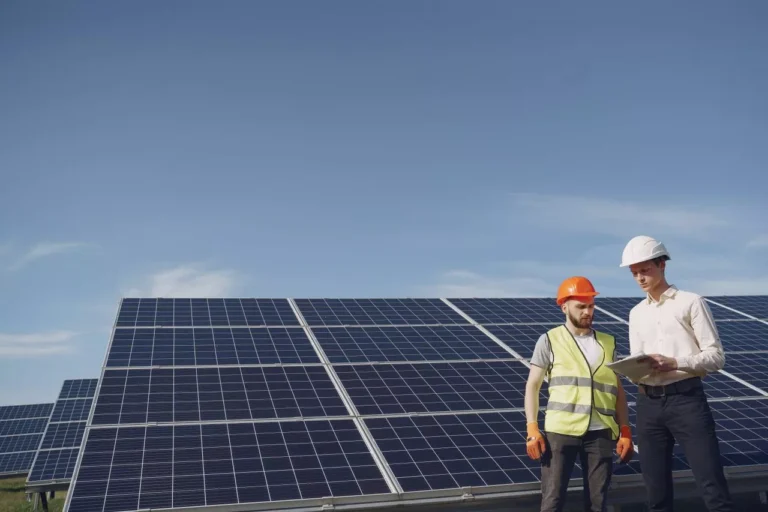
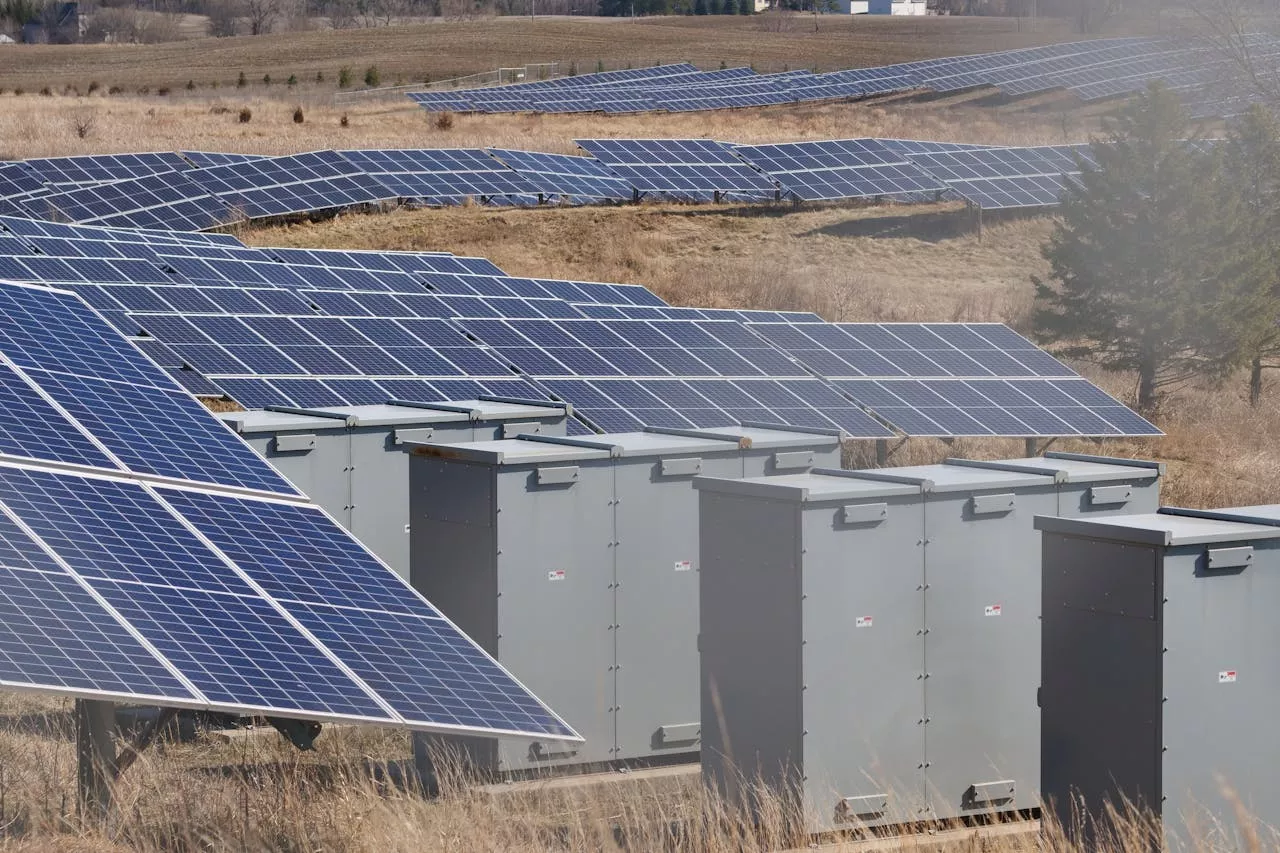
The demonstration project centered on the installation and operation of an ESS Energy Warehouse system at a Burbank Water and Power site. The battery system was paired with solar generation to evaluate how long-duration storage could help balance renewable power production and support grid operations.
According to the report, the ESS system was successfully installed, energized, and maintained throughout the nearly two-year evaluation period. The utility concluded that the iron flow battery technology functioned effectively under real operating conditions and could serve a meaningful role in future utility energy storage deployments.
Unlike laboratory testing or controlled pilot environments, the Burbank project provided ESS with an opportunity to showcase its technology under practical utility operating conditions. Such third-party demonstration projects are increasingly important for energy storage providers seeking to prove the commercial readiness of emerging battery technologies.
For utilities considering investments in next-generation storage systems, independent evaluations offer critical insight into operational reliability, maintenance requirements, and long-term performance.
Growing Demand for Long-Duration Energy Storage
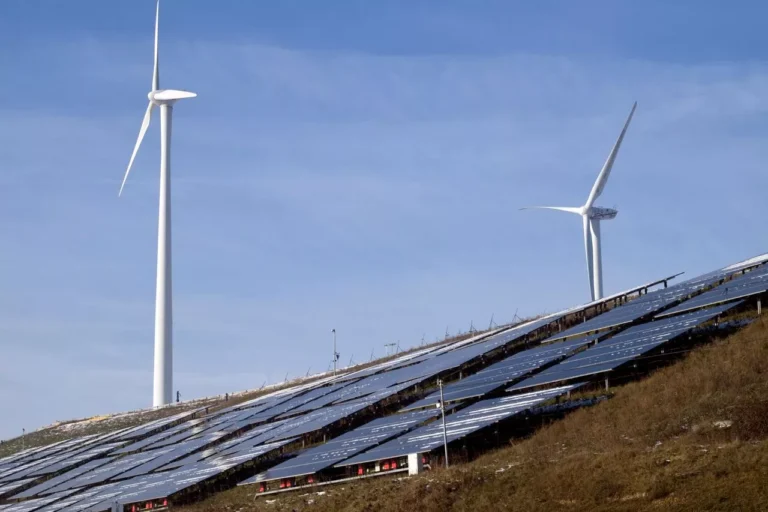
As renewable energy capacity continues expanding across the United States, utilities are facing growing pressure to deploy energy storage technologies capable of managing intermittent solar and wind generation. While lithium-ion batteries currently dominate the market, concerns surrounding safety, supply chains, lifecycle degradation, and duration limitations are driving interest in alternative chemistries.
Long-duration energy storage systems are designed to discharge electricity over extended periods, often ranging from six to 12 hours or more. This capability allows utilities to store excess renewable energy during periods of high generation and release it later when demand rises or renewable output declines.
ESS’ iron flow battery technology is positioned within this growing long-duration storage segment. The company’s systems utilize iron, salt, and water-based electrolytes instead of lithium and other critical minerals commonly used in lithium-ion batteries.
The Burbank demonstration report highlighted several advantages associated with ESS’ underlying chemistry, including non-flammability, sustainability, domestic manufacturing potential, and the use of abundant raw materials that are easier to source compared to lithium, cobalt, or nickel.
Safety and Sustainability Advantages
Safety has become one of the defining issues in the battery storage industry, particularly as utility-scale lithium-ion installations continue to expand globally. Concerns over thermal runaway and fire risks have prompted utilities and regulators to evaluate alternative storage technologies that may offer lower operational hazards.
ESS’ iron flow batteries are designed around a non-flammable chemistry, eliminating many of the fire risks associated with conventional lithium-ion systems. The batteries use water-based electrolytes and earth-abundant materials, which the company says can provide a safer operational profile for utilities deploying large-scale energy storage infrastructure.
The final APPA report emphasized the value of these characteristics, noting that the system’s components are sustainable and easily sourced. The report also referenced the projected long operating life of the technology, an important factor for utilities seeking infrastructure assets capable of operating for decades.
Long-duration systems with extended operational lifespans may help reduce lifecycle replacement costs and improve the economics of renewable energy integration over time.
Utility Workforce Training and Operational Experience
In addition to evaluating technical performance, the Burbank project also focused on utility workforce engagement and operational training. According to the report, utility personnel were successfully trained on the operation and maintenance of the ESS system during the evaluation period.
This aspect of the project is particularly important as utilities prepare for broader adoption of advanced energy storage technologies. Workforce readiness and operational familiarity are critical factors influencing deployment decisions, especially for emerging battery chemistries that differ significantly from lithium-ion systems.
The project also supported broader education and industry engagement surrounding iron flow battery technology, helping utilities better understand how long-duration storage solutions can support evolving grid requirements.
ESS Leadership Highlights Commercial Relevance
ESS Chief Executive Officer Drew Buckley described the Burbank project as another demonstration of the company’s ability to operate effectively within real utility environments.
Buckley emphasized that third-party validation projects play an important role in demonstrating the commercial viability of iron flow batteries and their suitability for utility applications. He noted that the project reinforced several of the company’s core technology strengths, including long-duration performance, safety advantages, and domestic manufacturing capabilities.
He also linked the findings to ESS’ next-generation Energy Base product platform, which the company is positioning as a scalable solution for utility and commercial customers seeking durable alternatives to lithium-ion energy storage systems.
The emphasis on U.S.-manufactured energy storage solutions also aligns with broader federal initiatives encouraging domestic clean energy supply chains and reducing dependence on imported battery materials.
Burbank Water and Power Sees Future Role for Long-Duration Storage
Burbank Water and Power leadership indicated that the project helped the utility better understand how long-duration storage systems could contribute to future energy planning and decarbonization efforts.
Mandip Samra, General Manager of Burbank Water and Power, stated that the collaboration with APPA and ESS demonstrated that safe long-duration battery technologies are viable and capable of benefiting the grid.
Utilities across California and other renewable-heavy markets are increasingly evaluating storage technologies that can help support zero-carbon electricity goals while maintaining reliability during periods of fluctuating renewable output.
California’s ongoing transition toward cleaner energy resources has heightened the importance of energy storage technologies capable of delivering longer discharge durations, especially during evening peak demand periods when solar generation declines.
Broader Commercial Momentum for ESS
The successful completion of the Burbank project comes as ESS continues expanding its commercial partnerships and utility deployments across the United States.
The company recently announced involvement in Project New Horizon with Salt River Project in Arizona, an initiative that also includes participation from Google. The project is focused on advancing long-duration storage applications that can support renewable energy integration and grid resilience.
ESS is also working with the United States Air Force Research Laboratory on a large-capacity energy storage deployment, further demonstrating interest in iron flow battery technology across government and institutional sectors.
In addition to utility customers, ESS continues collaborating with independent power producers and commercial and industrial clients seeking resilient and long-duration energy storage solutions.
As electricity grids continue incorporating higher levels of renewable energy, long-duration storage technologies are expected to play an increasingly important role in balancing supply and demand, supporting grid reliability, and reducing reliance on fossil fuel peaker plants.
Expanding Role of Alternative Battery Technologies
The energy storage market is undergoing rapid diversification as developers, utilities, and policymakers explore alternatives to lithium-ion batteries. While lithium-ion systems currently dominate short-duration storage deployments, technologies such as iron flow batteries, sodium-based systems, compressed air storage, and thermal energy storage are gaining attention for longer-duration applications.
ESS’ latest utility validation adds to the growing body of evidence supporting the commercial potential of iron flow batteries in utility-scale environments. Independent evaluations such as the APPA project provide utilities with valuable operational data as they assess future investment strategies for grid modernization and renewable integration.
With energy demand continuing to rise and clean energy targets accelerating across multiple regions, utilities are likely to continue evaluating a wider range of storage technologies capable of delivering safe, reliable, and long-duration performance.
Source Link: https://www.businesswire.com/