

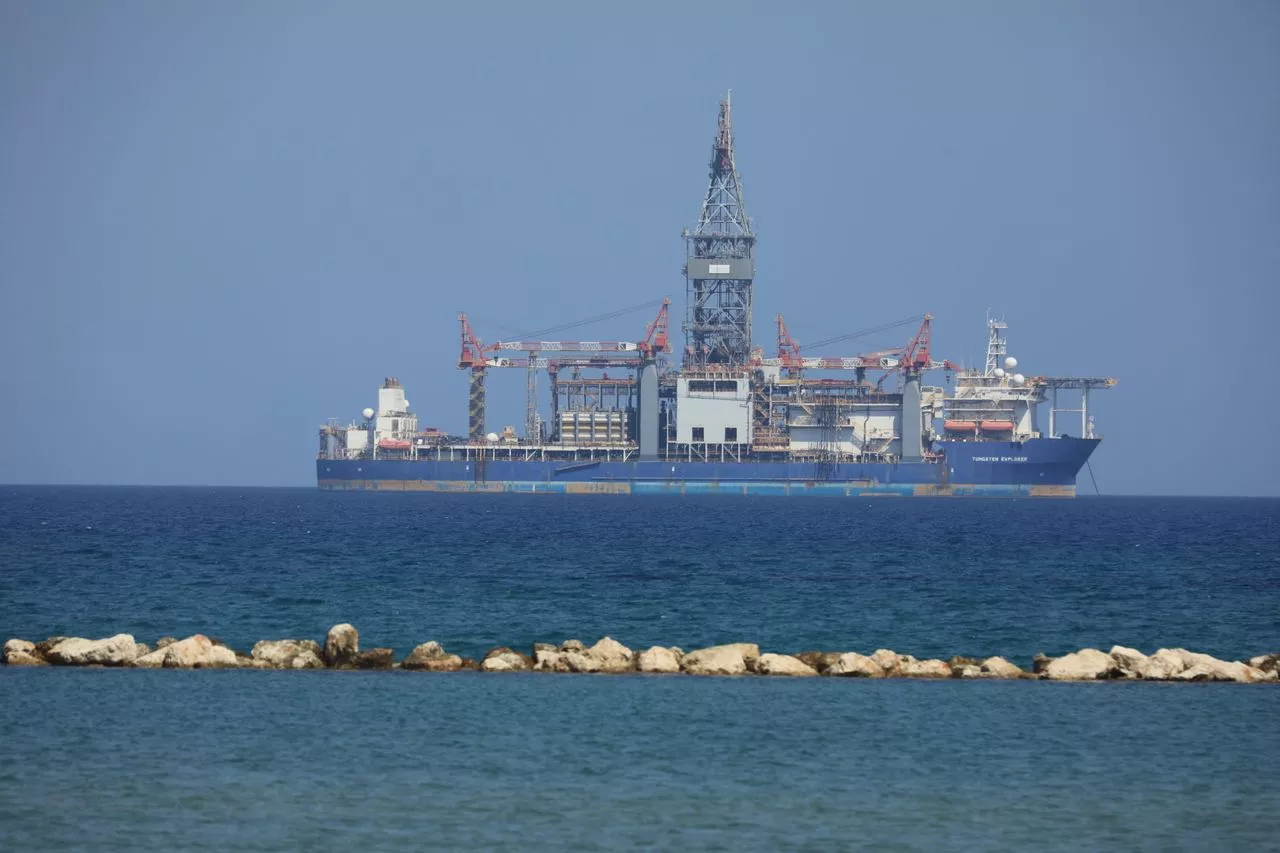
Halliburton and Eni Achieve Major Breakthrough in Deepwater Drilling Automation Offshore Indonesia
Halliburton has announced the successful deployment of its LOGIX™ automation and remote operations technology on a deepwater exploration well operated by Eni offshore Indonesia, marking a significant milestone for the global energy industry. The project represents a series of industry-first achievements in drilling automation and demonstrates how advanced digital technologies can improve efficiency, safety, and operational performance in some of the world’s most challenging offshore environments.
The operation is particularly notable because it marks the first deployment in the Asia-Pacific region of fully integrated rig automation combined with Managed Pressure Drilling (MPD) technology in a closed-loop system. The achievement highlights the growing role of digitalization and automation in transforming offshore drilling operations and establishing new benchmarks for deepwater well construction.
Deepwater drilling environments are among the most technically demanding areas of oil and gas development. Wells located in ultra-deepwater regions often encounter narrow pressure windows, complex geological formations, and operational challenges that require precise management and coordination. Any deviation in pressure control can lead to costly delays, increased operational risks, or well integrity concerns.
To address these challenges, Halliburton integrated multiple advanced technologies into a unified automated system. The company combined rig surface equipment, automated well placement technologies, downhole hydraulic systems, and Managed Pressure Drilling controls into a single connected framework capable of delivering real-time responses and maintaining consistent operational performance.
At the center of this deployment was Halliburton’s LOGIX™ Orchestration service, which coordinated drilling and tripping operations within a unified workflow. Traditionally, drilling execution and pressure management have been managed through separate systems and processes, often requiring manual intervention and communication between multiple teams. By integrating these functions into one automated platform, Halliburton eliminated many of the inefficiencies associated with conventional drilling operations.
The closed-loop system continuously monitored drilling conditions and automatically adjusted operating parameters to optimize performance and maintain safe pressure conditions. This approach allowed for more precise control of the well environment and significantly reduced operational complexity.
The successful deployment offshore Indonesia also represents an important milestone for the broader Asia-Pacific energy sector. As offshore developments become increasingly complex, operators are seeking technologies that can enhance productivity while reducing operational risks and costs. The integration of advanced automation with Managed Pressure Drilling provides a new model for future deepwater projects in the region.
Eni, one of the world’s leading integrated energy companies, played a critical role in the project by contributing its extensive operational expertise in offshore exploration and development. The collaboration between Eni and Halliburton brought together advanced digital technologies and practical field experience to create a highly efficient drilling system capable of operating in challenging deepwater environments.
The partnership focused on aligning drill floor controls, subsurface automation systems, and pressure management technologies into a single coordinated platform. This integrated approach enabled improved communication between various components of the drilling operation and ensured that decisions could be executed in real time.
According to Halliburton, the deployment delivered measurable improvements in operational efficiency. The combination of LOGIX Orchestration and Managed Pressure Drilling technology improved efficiency by more than 15 percent compared with conventional operations. Such gains can translate into significant cost savings for operators, particularly in deepwater environments where drilling expenses can be extremely high.
Maintaining well control in formations with narrow operating margins was another major achievement of the project. Deepwater wells often present limited differences between pore pressure and fracture pressure, making precise pressure management essential. The integrated automated system successfully maintained pressure control throughout operations, reducing the potential for non-productive time and enhancing overall operational reliability.
The success of the Indonesia project reflects broader trends occurring across the global energy industry. Oil and gas operators are increasingly adopting automation technologies as they seek to improve efficiency, reduce emissions, enhance safety, and optimize resource utilization.
Digital transformation has become a key strategic priority for many energy companies. Technologies such as artificial intelligence, advanced analytics, remote operations, and automated drilling systems are increasingly being integrated into field operations to support more efficient decision-making and execution.
Halliburton has been at the forefront of these developments, investing heavily in automation and digital solutions that support the transition toward intelligent well construction. The company has previously deployed closed-loop automation technologies in multiple offshore operations around the world, and the Indonesia project further demonstrates the scalability and effectiveness of these solutions.
The increasing adoption of automation technologies is also reshaping workforce requirements across the industry. Remote operations centers and advanced digital systems enable experts to monitor and support drilling activities from centralized locations, reducing the need for personnel to be physically present offshore while enhancing access to specialized expertise.
The deployment of LOGIX automation and remote operations in Indonesia further highlights the growing importance of integrated digital ecosystems in energy operations. Rather than relying on isolated technologies, operators are increasingly seeking comprehensive solutions that connect drilling equipment, data systems, and operational workflows into unified platforms.
Such integration enables faster responses to changing downhole conditions and supports more efficient management of complex drilling programs. In addition, automation can help reduce human error, improve consistency, and enhance overall operational safety.
The successful implementation of this project also reinforces Indonesia’s position as an important offshore exploration market. The country possesses significant untapped hydrocarbon resources, particularly in deepwater basins, and continued investment in advanced technologies could play a vital role in unlocking these resources economically and safely.
As global energy demand continues to grow, deepwater developments remain an important component of future energy supply. However, operators face increasing pressure to improve efficiency, lower costs, and minimize environmental impacts. Automation and digital technologies are expected to play a crucial role in meeting these objectives.
Halliburton’s latest achievement demonstrates that closed-loop drilling automation is moving beyond conceptual applications and into large-scale commercial deployment. The ability to integrate drilling execution, pressure management, and remote operations into a single automated framework represents a major advancement for the industry.
The Indonesia deployment further strengthens Halliburton’s position as a leading provider of drilling automation technologies and expands global awareness of its capabilities in deepwater developments. It also illustrates the growing customer demand for solutions that move beyond decision-support systems toward real-time autonomous execution.
Looking ahead, the success of this project may encourage broader adoption of similar technologies across offshore markets worldwide. As operators increasingly seek to improve operational performance and address the challenges of complex reservoirs, integrated automation platforms are likely to become a standard component of future drilling operations.
The collaboration between Halliburton and Eni provides a compelling example of how partnerships between technology providers and energy companies can accelerate innovation and deliver meaningful operational improvements. By combining expertise in drilling operations, pressure management, and digital technologies, the companies have demonstrated a new approach to deepwater well construction that could influence future industry practices.
With efficiency improvements exceeding 15 percent and successful operation in a narrow-margin environment, the project marks a significant step forward in the evolution of intelligent drilling systems. As automation technologies continue to mature, the energy industry is expected to witness further advances that improve productivity, enhance safety, and support more sustainable offshore resource development.
Source Link: https://www.halliburton.com/