

Duke Energy Honors Lineworkers Who Keep the Grid Strong and Power Flowing
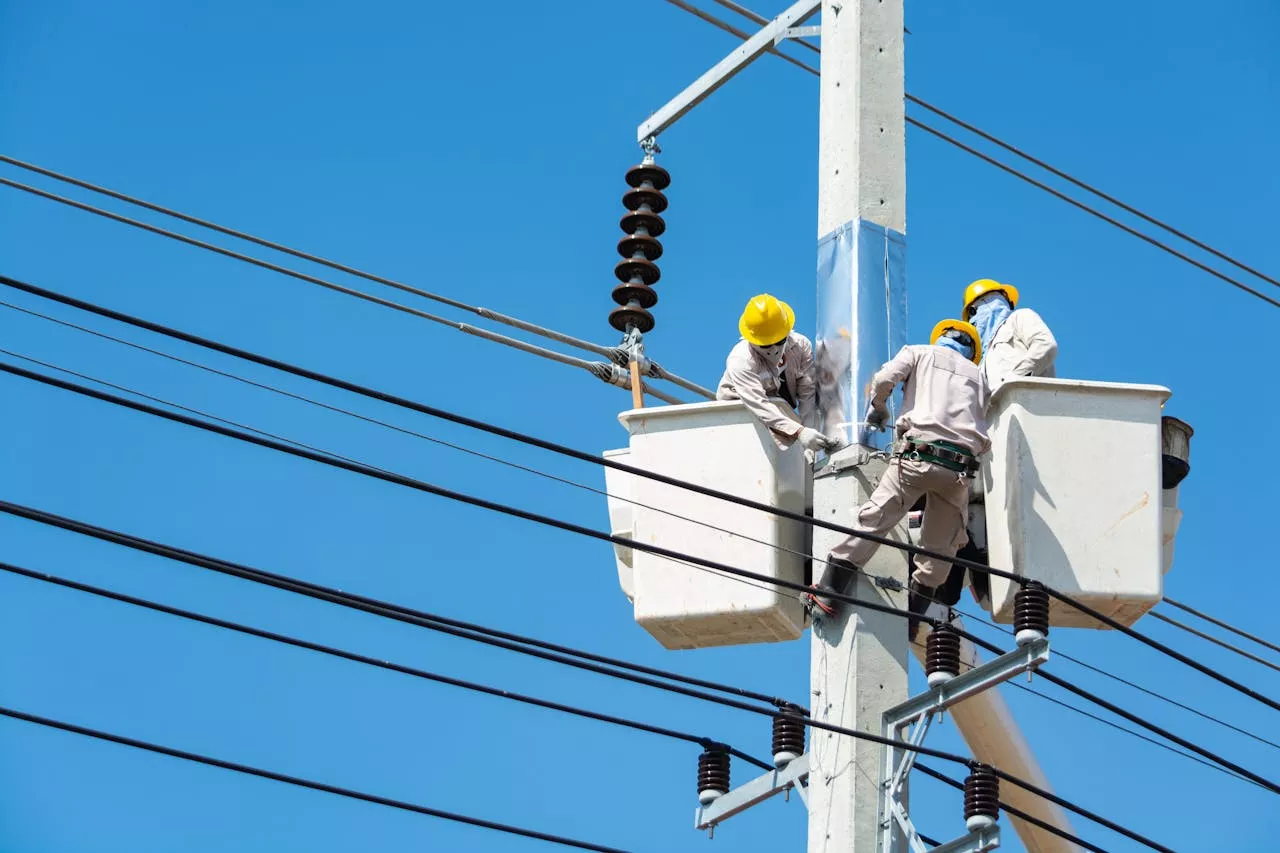
Duke Energy is recognizing the vital contributions of its lineworkers in celebration of National Lineworker Appreciation Day, shining a spotlight on the highly skilled professionals who work behind the scenes to keep electricity flowing to millions of homes and businesses. From routine maintenance and infrastructure upgrades to rapid response during severe weather events, lineworkers play a central role in ensuring the reliability and resilience of the power grid.
Every day, these workers operate in challenging and often hazardous conditions, performing tasks that require technical expertise, physical endurance, and an unwavering commitment to safety. Their efforts not only maintain the stability of the grid but also help modernize it to meet growing energy demands and integrate new technologies.
Scott Batson, executive vice president and chief power grid officer at Duke Energy, emphasized the importance of their work in delivering consistent service. He noted that customers depend on reliable electricity not just during normal operations but especially during unexpected outages caused by storms or other disruptions. According to Batson, lineworkers are at the heart of that reliability—strengthening infrastructure through proactive maintenance and stepping up in times of crisis to restore power as quickly and safely as possible. Their dedication, he said, is essential to building a stronger and more dependable energy system for the future.
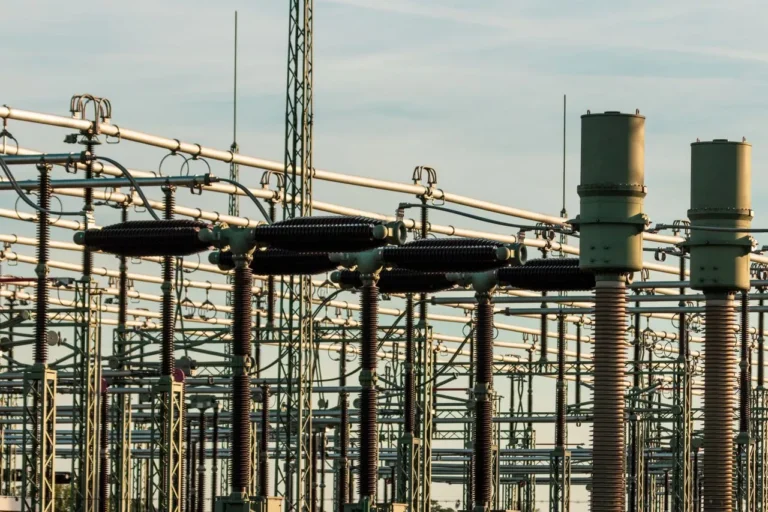
Lineworkers are responsible for constructing, maintaining, and upgrading the vast network of equipment that delivers electricity. This includes installing and repairing poles, transformers, substations, and power lines. Their work ensures that aging infrastructure is replaced and enhanced with advanced technologies capable of detecting faults, isolating issues, and minimizing service interruptions.
Reliability improvements are a key focus for utilities like Duke Energy. By modernizing equipment and integrating smart grid technologies, lineworkers help reduce the frequency and duration of outages. These upgrades are particularly critical as energy demand continues to grow and as extreme weather events become more frequent and intense.
When storms strike, lineworkers are among the first responders. They work closely with emergency management teams and local authorities to assess damage, secure affected areas, and restore service. Whether facing hurricanes, thunderstorms, ice storms, or extreme heat, their top priority remains safety—for themselves, their colleagues, and the communities they serve.
The workforce behind the grid is diverse, including transmission line technicians, distribution lineworkers, substation specialists, and relay technicians. Together, they form the backbone of the electric system, ensuring that power is delivered efficiently and reliably. Many of these professionals live in the same communities they serve, adding a deeply personal dimension to their work. They are not just utility workers—they are neighbors helping neighbors during critical moments.
For John Thompson, a transmission line technician working in Florida, the job comes with unique challenges. He describes the environment as both demanding and rewarding, with extreme heat, frequent lightning, and the constant threat of hurricanes testing the resilience of the grid. Despite these challenges, Thompson highlights the importance of teamwork and determination in overcoming obstacles and keeping the lights on for customers.
In Indiana, fourth-year lineworker apprentice Kevin McGill points to the evolving nature of the profession. Today’s lineworkers must not only master traditional skills but also adapt to new tools and technologies as the grid becomes more sophisticated. Continuous training and learning are essential, he says, as crews strive to improve performance and deliver reliable service. For McGill, one of the most rewarding aspects of the job is being able to help people during outages, especially in the aftermath of storms.
Tyler Hobbs, a journeyman lineworker in North Carolina, finds deep personal meaning in serving his hometown. For him, restoring power is more than just a technical task—it’s an opportunity to support family, friends, and neighbors. The sense of pride and fulfillment that comes from helping his own community makes the job especially meaningful.
Similarly, Brandon Duncan, a senior journeyman lineworker in South Carolina, describes the role as being on the front lines when it matters most. He emphasizes the grit, teamwork, and pride required to perform the job effectively. Each successful restoration, he says, represents a promise fulfilled to the community—helping people return to their normal lives after disruptions.
Brian Schultz, a senior journeyman lineworker serving Kentucky and Ohio, echoes this sentiment. He speaks of the profound satisfaction that comes from knowing his work supports the daily lives of others. Whether responding to storm damage or performing routine maintenance, Schultz values both the technical challenges and the physical demands of the role. The moment when power is restored and lights come back on is, for him, the ultimate reward.
Duke Energy’s workforce includes approximately 3,600 lineworkers across its six-state service territory. These employees are supported by thousands of additional contract crews, bringing the total number of professionals involved in maintaining and restoring service to more than 10,000. This extensive network of skilled workers ensures that the company can respond quickly and effectively to both everyday needs and large-scale emergencies.
The company’s investment in its workforce is matched by its commitment to safety. Linework is inherently dangerous, involving high-voltage equipment, elevated work environments, and exposure to unpredictable weather conditions. As a result, safety protocols, training programs, and a strong culture of accountability are integral to every aspect of the job.
Beyond their technical responsibilities, lineworkers also play a crucial role in strengthening community resilience. By improving infrastructure and responding rapidly to outages, they help minimize disruptions to essential services, businesses, and daily life. Their efforts support economic stability and enhance quality of life for the communities they serve.
As the energy landscape continues to evolve—with increased electrification, renewable energy integration, and digitalization—the role of lineworkers is becoming even more critical. They are not only maintaining existing systems but also building the grid of the future, one that is smarter, more flexible, and better equipped to handle emerging challenges.
The recognition of National Lineworker Appreciation Day serves as a reminder of the dedication and hard work that often goes unnoticed. Every time a light switch is flipped, a device is charged, or a business operates without interruption, it is made possible by the efforts of these skilled professionals.
Duke Energy encourages customers to take a moment to acknowledge and appreciate the contributions of lineworkers. Whether through a simple thank-you or by sharing a message of gratitude using #ThankALineworker, recognizing their efforts helps highlight the essential role they play in everyday life.
In the end, lineworkers are more than just technicians—they are the guardians of the grid, ensuring that power is available when and where it is needed. Their commitment to excellence, safety, and service continues to power communities forward, making them indispensable to the modern world.
Source Link: https://news.duke-energy.com/