


Avangrid Begins Solar Panel Installation at Oregon Trail Solar Project, Advancing Clean Energy and Local Economic Growth in Oregon
Avangrid, Inc., one of the leading energy companies in the United States and a member of the Iberdrola Group, has reached another major construction milestone with the start of solar panel installation at its Oregon Trail Solar project in Gilliam County, Oregon. The development represents significant progress toward bringing the renewable energy facility into commercial operation while reinforcing the company’s long-term commitment to expanding clean energy infrastructure across the Pacific Northwest.
The Oregon Trail Solar project has a planned generation capacity of 57 megawatts direct current (MWdc), equivalent to approximately 41 megawatts alternating current (MWac). Once operational, the facility will contribute additional renewable electricity to Oregon’s power grid, supporting the state’s clean energy objectives and helping utilities and consumers meet growing electricity demand with emissions-free generation.
Construction Enters a Major New Phase
The installation of solar panels marks one of the most visible and important stages of construction for any photovoltaic energy project. After months of preparing the site, installing foundations, constructing access roads, completing electrical infrastructure, and erecting mounting systems, crews have now begun placing the photovoltaic modules that will ultimately capture sunlight and generate electricity.
This phase signifies that the project is progressing according to plan and is moving steadily toward completion. More than 100,000 solar panels will eventually be installed across the site, transforming the facility into a large-scale source of renewable power capable of producing electricity for thousands of households each year.
Solar panel installation also requires coordinated efforts among engineers, electricians, equipment operators, logistics specialists, and construction teams. Each panel must be securely mounted, electrically connected, tested, and integrated into the broader power collection system before energy can begin flowing to the transmission network.
Supporting Oregon’s Growing Energy Needs
According to Avangrid, the Oregon Trail Solar facility has been designed to produce enough renewable electricity to power approximately 10,000 average U.S. homes annually after commercial operations begin next year.
As electricity consumption continues to increase due to population growth, electrification of transportation, industrial expansion, and increased digital infrastructure, utilities are seeking additional sources of reliable renewable generation. Projects such as Oregon Trail Solar help diversify regional energy supplies while reducing dependence on fossil-fuel-based electricity generation.
By expanding solar generation capacity, Oregon gains another locally produced energy resource that can contribute to grid reliability and support long-term sustainability goals.
Leadership Highlights Project Progress
Commenting on the construction milestone, Avangrid Chief Executive Officer Jose Antonio Miranda emphasized the broader significance of the project beyond electricity generation.
He noted that beginning panel installation represents meaningful progress toward delivering new energy infrastructure in Oregon while simultaneously creating employment opportunities, supporting local communities, and helping meet increasing regional electricity demand.
The company’s leadership views Oregon Trail Solar as part of a broader investment strategy that combines renewable energy development with economic benefits for local communities.
Creating Hundreds of Union Jobs
One of the most significant impacts of the Oregon Trail Solar project has been its contribution to local employment.
Construction activities are currently supporting approximately 200 local union jobs, providing work opportunities for skilled tradespeople across multiple disciplines. These positions include electricians, heavy equipment operators, laborers, ironworkers, project managers, engineers, safety personnel, and other specialized construction professionals required during utility-scale solar development.
Large renewable energy projects often generate substantial temporary employment during construction while also creating long-term operational positions after commissioning. In addition to direct employment, projects frequently stimulate indirect economic activity through local suppliers, transportation providers, hospitality businesses, restaurants, equipment vendors, and maintenance contractors.
The reliance on union labor reflects Avangrid’s continued focus on workforce development, skilled craftsmanship, and maintaining high construction and safety standards throughout the project lifecycle.
Long-Term Economic Benefits for Gilliam County
Beyond immediate job creation, the Oregon Trail Solar project is expected to provide lasting financial benefits to Gilliam County.
Avangrid estimates that over the lifetime of the project, approximately $6 million will be contributed through a combination of property taxes and Payments in Lieu of Taxes (PILOTs). These revenues will provide important funding for local governments and public institutions.
The additional tax revenue can support numerous community priorities, including:
- Public schools and educational programs
- Road construction and maintenance
- Emergency response services
- Public infrastructure improvements
- Community facilities
- Local government operations
Stable tax contributions from renewable energy developments often provide rural counties with predictable long-term revenue streams that can help finance essential public services without placing additional financial burdens on local residents.
More Than 100,000 Solar Panels
Once construction is complete, the Oregon Trail Solar project will feature over 100,000 photovoltaic modules installed across the project site.
These panels will convert sunlight directly into electricity using semiconductor technology. The generated direct current electricity will then be converted into alternating current through inverters before being delivered into the regional transmission network.
Utility-scale solar facilities are designed for long operating lives, often exceeding 30 years with routine maintenance and equipment upgrades. Throughout that operational period, Oregon Trail Solar is expected to generate clean electricity without producing direct greenhouse gas emissions during normal operation.
The project also contributes to diversification of Oregon’s electricity generation portfolio by increasing the share of renewable resources available to consumers.
Part of a Growing Renewable Energy Hub
The Oregon Trail Solar project is strategically located adjacent to other Avangrid renewable energy assets.
Nearby is the company’s operating Pachwáywit Fields solar facility, which is already producing renewable electricity for the region. The close proximity of these projects enables operational efficiencies and demonstrates Avangrid’s continued investment in developing renewable energy infrastructure within eastern Oregon.
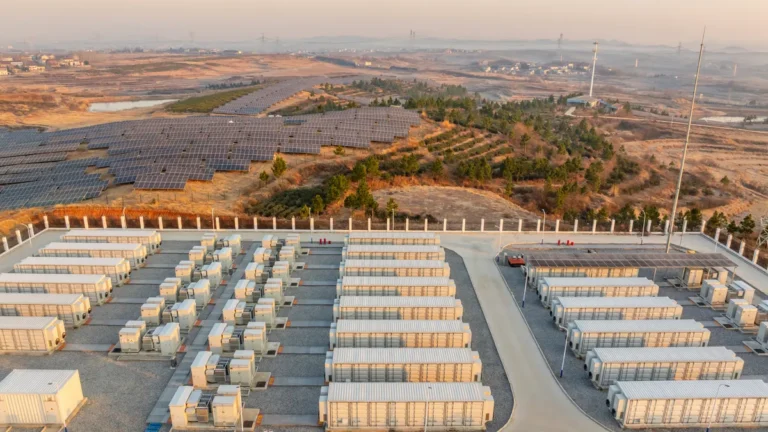
The area is also home to the recently announced Shutler Energy Storage project. By combining solar generation with battery energy storage, Avangrid aims to enhance grid flexibility and improve the ability to deliver renewable electricity during periods of peak demand or reduced solar generation.
Energy storage systems are becoming increasingly important as renewable generation expands, allowing electricity produced during sunny periods to be stored and dispatched later when needed.
Together, solar generation and battery storage can provide a more balanced and resilient clean energy system.
Expanding Renewable Capacity Across Oregon
The Oregon Trail Solar development adds to Avangrid’s already significant renewable energy presence throughout the state.
Today, the company operates more than 2.5 gigawatts of generating capacity in Oregon, making it one of the state’s major renewable energy developers and operators.
Its portfolio includes multiple renewable generation technologies that contribute clean electricity to regional power markets while supporting state and national decarbonization efforts.
These investments reflect Oregon’s favorable renewable energy resources, supportive regulatory environment, and growing demand for sustainable electricity.
Investment Beyond Generation Assets
Avangrid’s commitment to Oregon extends beyond renewable power facilities.
The company also operates its National Training Center in neighboring Sherman County, where technicians receive specialized instruction and hands-on experience supporting renewable energy operations. Workforce training centers play an important role in preparing skilled employees to safely construct, operate, and maintain increasingly sophisticated renewable energy infrastructure.
Additionally, Avangrid maintains a significant corporate office in Portland, supporting business operations across its extensive energy portfolio.
These facilities demonstrate that the company’s investment in Oregon encompasses not only power generation but also workforce development, operational management, and long-term regional economic participation.
Supporting the Clean Energy Transition
The Oregon Trail Solar project reflects broader trends occurring throughout the U.S. energy sector.
Utilities, independent power producers, and policymakers are investing heavily in renewable generation to meet increasing electricity demand while reducing carbon emissions. Utility-scale solar has become one of the fastest-growing forms of electricity generation due to declining technology costs, improved efficiency, and shorter construction timelines compared to many conventional power plants.
As more renewable energy projects enter operation, complementary investments in transmission infrastructure, battery storage, workforce development, and grid modernization will become increasingly important.
Projects like Oregon Trail Solar demonstrate how renewable energy development can deliver multiple benefits simultaneously, including clean electricity generation, construction employment, long-term tax revenue, and infrastructure investment for rural communities.
Source Link: https://www.businesswire.com/