

Bayer and Neste Scale Winter Canola for Biofuels
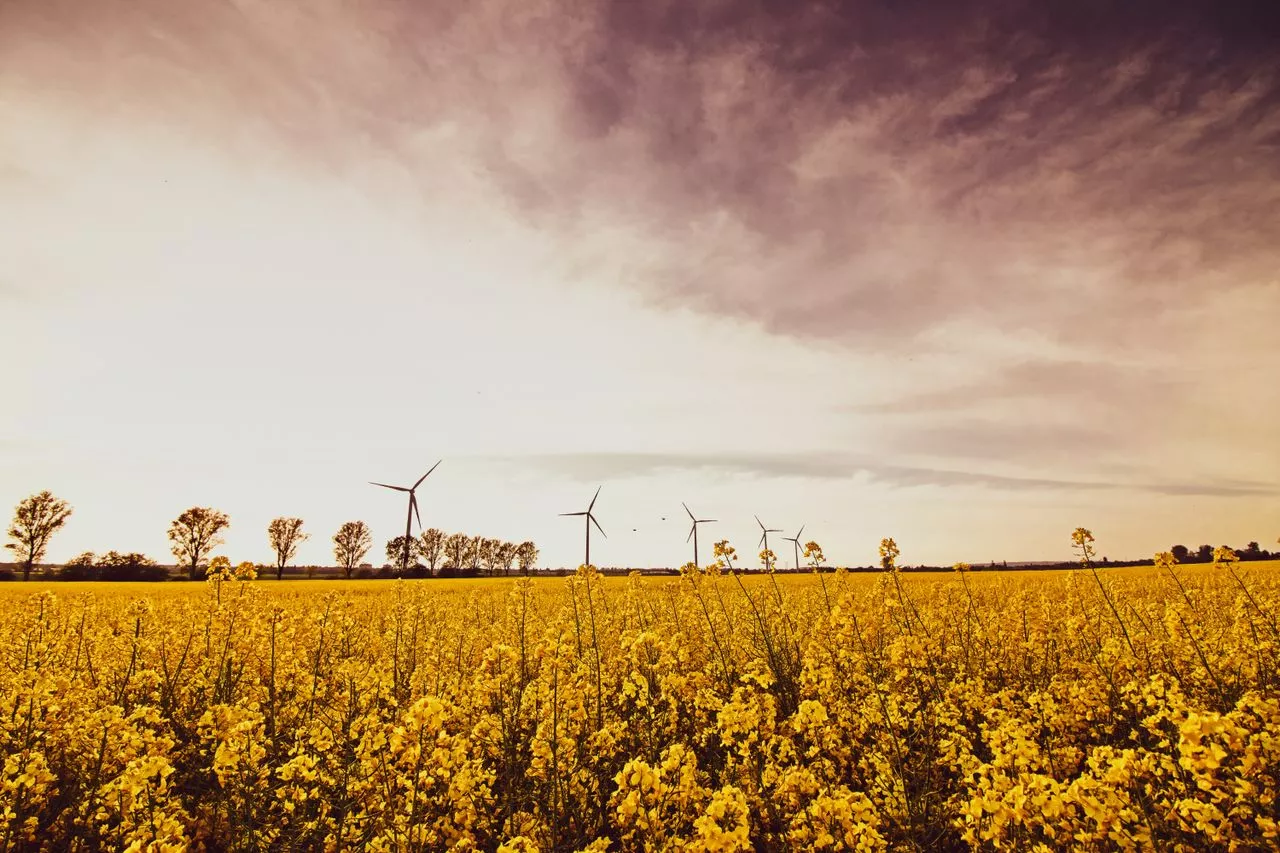
Bayer and Neste have finalized a commercial agreement to jointly scale Bayer’s newgold® winter canola, creating a new pathway for expanding agricultural feedstocks for renewable fuels in the United States. The collaboration is designed to support the growth of winter canola production across the Southern Great Plains while strengthening the availability of lower-carbon-intensity raw materials for the expanding biofuels market.
Neste is a leading producer of renewable diesel and sustainable aviation fuel, while Bayer’s Crop Science business develops agricultural technologies, seeds and crop solutions. Through the agreement, the companies intend to establish a broader value chain around winter canola, connecting growers with additional market opportunities while supporting demand for renewable feedstocks.
The partnership is expected to enable a significant expansion of winter canola acreage in the Southern Great Plains. The region is viewed as an important opportunity for increasing oilseed production without relying exclusively on traditional summer crops. Expanding winter canola could also improve land utilization by providing farmers with an additional crop that can be incorporated into rotations with wheat.
The companies said the initiative is intended to strengthen the supply potential of agricultural feedstocks as global demand for renewable diesel and sustainable aviation fuel continues to increase. Demand for biofuels is estimated to grow almost threefold to approximately 40 billion gallons by 2040.
Winter canola can provide benefits beyond its oil content. Once processed, the crop can produce high-protein meal that can be sold into the animal feed market. This could create additional sources of feed for dairy and beef cattle, poultry and swine producers while providing another potential revenue stream within the agricultural value chain.
Frank Terhorst, Head of Strategy and Sustainability for Bayer’s Crop Science division, said the agreement reflects the company’s efforts to support biofuels production while addressing broader energy and transportation challenges.
According to Terhorst, geopolitical tensions and the need for greater energy security and resilience are contributing to demand for renewable fuels as the transportation sector works to reduce emissions. He also described the Southern Great Plains as an underdeveloped opportunity for winter canola production.
Bayer expects newgold® winter canola to provide farmers with a potentially profitable rotational crop alongside wheat. The company believes the crop could improve land utilization while allowing growers to participate in a developing market for agricultural products used in renewable fuel production.
As part of the collaboration, Bayer and Neste are establishing a newgold® network that will include additional value chain partners. The network is intended to support the expansion of winter canola production and create an additional market for growers. By developing connections among farmers, agricultural suppliers, processors and renewable fuel markets, the companies aim to establish a scalable supply chain for the crop.
Artturi Mikkola, Senior Vice President, Renewable Products Feedstock Sourcing and Trading at Neste, emphasized the importance of collaboration across the agricultural and renewable energy industries. He said that increasing the contribution of new raw materials to renewable fuel production requires open cooperation throughout the supply chain.
Mikkola said the Bayer newgold® winter canola collaboration is intended to establish a value chain in one of Neste’s important markets while creating opportunities to increase farm yields and grower income. He also indicated that the renewable raw material could be scaled rapidly in the coming years, helping address increasing demand for biofuels.
Bayer plans to launch its newgold® winter canola hybrids in the fall of 2027. The hybrids are being developed with several characteristics intended to address the needs of growers in the Southern Great Plains.
Among the planned traits are winter-hardiness, which can help crops withstand seasonal conditions, as well as TruFlex®, Bayer’s second-generation Roundup Ready trait technology. The hybrids will also incorporate pod shatter resistance technology, an agricultural characteristic designed to help reduce seed loss before harvest.
Together, Bayer expects these technologies to offer strong yield potential and higher oil content. The company is positioning TruFlex winter canola, which will be marketed under the newgold® seed brand, as a potential new profit opportunity for farmers. Growers will have the flexibility to determine how the crop fits within their individual farming operations and rotations.
The initiative also reflects the broader role that biofuels can play in transportation decarbonization. Although electrification is expanding across several transportation applications, battery-based solutions may not be practical for every segment. Aviation, rail, heavy-duty equipment and marine transportation can present particular challenges because of energy-density, range and operational requirements.
Biofuels provide an alternative pathway by using renewable organic materials as feedstocks. Conventional agricultural crops such as corn, soy and canola can be used in biofuel production, while intermediate oilseed crops such as winter canola can provide additional opportunities to expand the agricultural resource base.
Bayer recently highlighted its biofuels platform during its investor day in Huxley, Iowa. The company presented what it described as an emerging portfolio of intermediate biofuel crops, including camelina, winter canola and CoverCress™.
The expansion of winter canola represents another component of Bayer’s strategy to develop agricultural products that can participate in growing renewable energy markets. For Neste, the collaboration provides an opportunity to develop additional feedstock sources while working with agricultural partners to build a scalable supply chain.
With the planned 2027 launch of newgold® winter canola hybrids, Bayer and Neste are positioning the Southern Great Plains as a potential growth market for winter oilseed production. If successfully scaled, the initiative could connect farmers with new crop and income opportunities while providing renewable fuel producers with an expanded source of agricultural feedstock.
Source Link: https://www.businesswire.com/