


Transition Industries Appoints Technip Energies as PMC Partner for Pacifico Mexinol Project
Transition Industries has selected Technip Energies as its Project Management Consultancy (PMC) partner for the Pacifico Mexinol project, a major industrial development planned for Sinaloa, Mexico. The project is expected to become the world’s largest ultra-low carbon chemical production facility, establishing a significant new source of lower-carbon methanol for international markets.
The appointment of Technip Energies represents an important step in advancing the development and execution of the Pacifico Mexinol facility. The company will contribute its global project management experience, technical expertise and project execution capabilities to support Transition Industries as it progresses toward delivering the large-scale industrial complex.
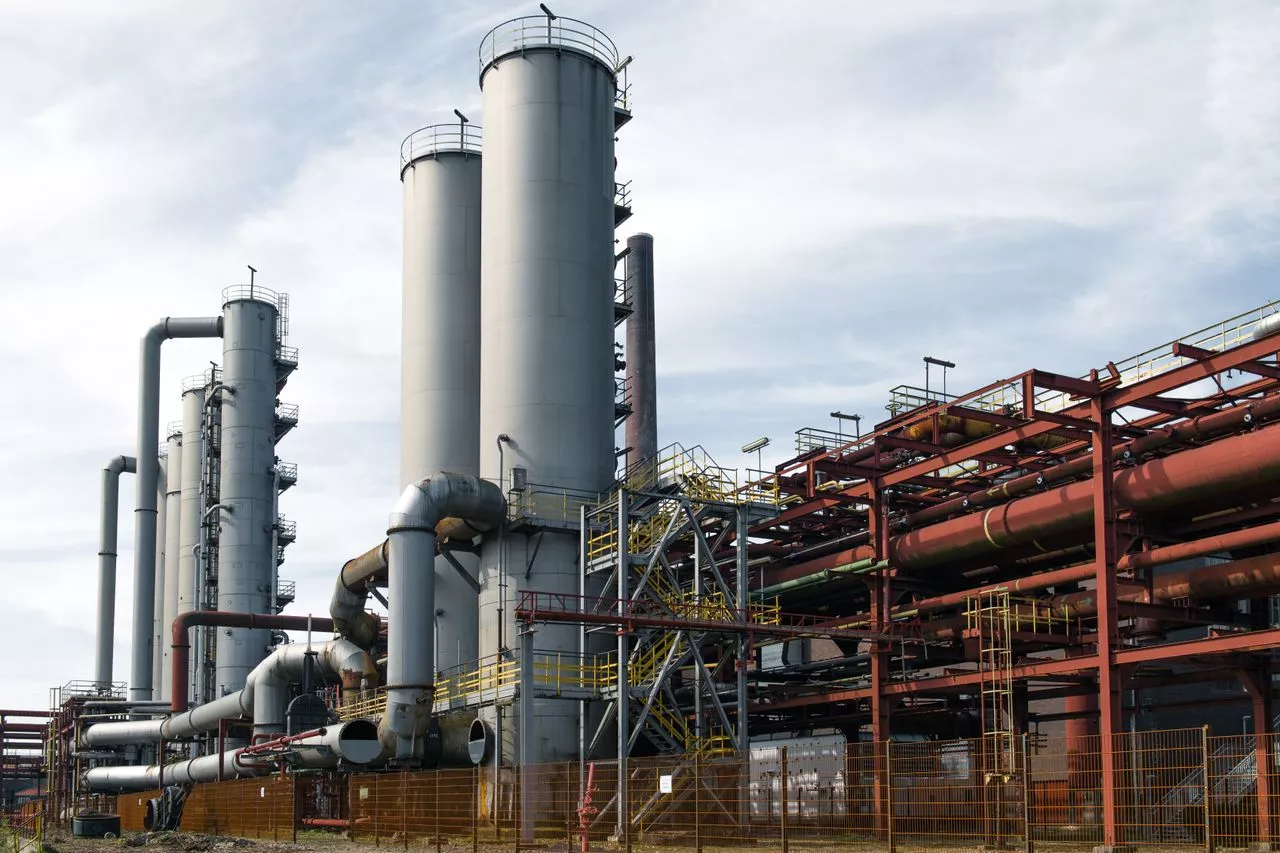
Once operational, Pacifico Mexinol is expected to produce approximately 350,000 metric tons of Renewable Fuel of Non-Biological Origin (RFNBO) methanol annually, alongside approximately 1.8 million metric tons of ultra-low carbon methanol produced from natural gas with carbon capture. The combined production capacity is intended to address increasing global demand for methanol while supporting the transition toward lower-carbon industrial processes.
The project’s production strategy combines renewable fuel technologies with carbon capture solutions to reduce the emissions associated with conventional methanol manufacturing. By integrating these approaches into a large-scale chemical production facility, Transition Industries aims to establish a competitive platform capable of supplying international customers seeking lower-carbon alternatives for industrial applications.
Diego Martinez, Chief Operating Officer of Transition Industries, welcomed Technip Energies to the project team, highlighting the importance of its experience in managing complex industrial developments.
Martinez said the company was selected because of its project management expertise, technical knowledge and execution capabilities. He also emphasized that Technip Energies would bring valuable global experience to the landmark industrial development in Mexico.
The PMC appointment is expected to support coordination across the project’s engineering, procurement, construction and other development activities. Managing a facility of this scale requires effective collaboration among multiple contractors, technology providers and engineering specialists. Technip Energies will contribute its capabilities to help maintain alignment between the project’s technical requirements, construction objectives and overall development schedule.
Pacifico Mexinol is being developed with consideration for the infrastructure and environmental conditions of the surrounding region. The project will utilize existing infrastructure at the Port of Topolobampo, providing access to established industrial and transportation facilities. Leveraging existing port infrastructure is an important element of the development strategy, helping connect the facility with logistics networks required to support the movement of materials and finished methanol products.
The project’s location in Sinaloa also provides an opportunity to incorporate regional infrastructure and resources into its operating model. Transition Industries has placed particular emphasis on water management, renewable electricity procurement and reducing the environmental impact of industrial operations.
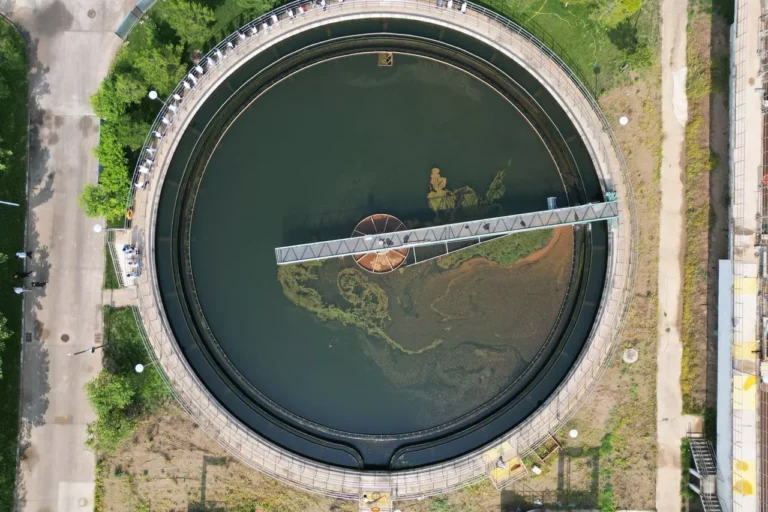
One of the project’s central environmental features is an innovative water management system that will use treated wastewater from the city of Los Mochis. Rather than relying on additional freshwater resources, the facility will incorporate municipal wastewater into its industrial water supply.
This arrangement is intended to create a productive use for wastewater while providing an additional source of income for the municipality of Ahome. The approach establishes a connection between the industrial development and local municipal infrastructure, allowing wastewater generated by the city to support industrial activity.
The wastewater utilization strategy is also designed to reduce pressure on freshwater supplies. Large industrial facilities typically require significant quantities of water for production, cooling and other operational processes. By using wastewater from Los Mochis, Pacifico Mexinol aims to avoid creating additional freshwater demand that could place pressure on local resources.
The proposed system is also intended to prevent adverse impacts on the Bay of Ohuira. Protecting surrounding water resources and sensitive coastal environments is an important consideration for the project’s development. Transition Industries’ water management approach is designed to address industrial water requirements while supporting the protection of the area’s natural environment.
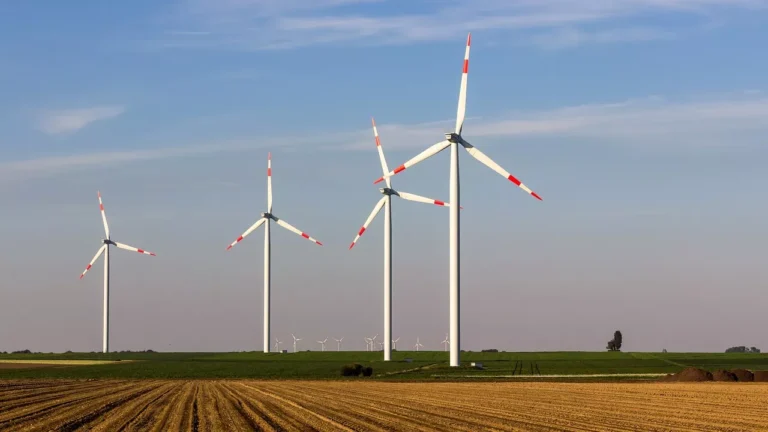
Electricity procurement is another important component of the project’s lower-carbon operating strategy. Pacifico Mexinol plans to use electricity from renewable sources through Clean Energy Certificates (CELs). These certificates will support the facility’s renewable electricity strategy and help ensure that its electricity consumption is aligned with its sustainability objectives.
By incorporating renewable electricity into its operations, the project aims to reduce the carbon footprint associated with energy consumption. The approach complements the facility’s planned methanol production technologies, including renewable methanol manufacturing and natural gas-based production combined with carbon capture.
Transition Industries has positioned Pacifico Mexinol around the use of technology and innovation to produce methanol safely and efficiently while minimizing environmental impacts. The company intends to integrate operational efficiency, responsible resource management and lower-carbon energy procurement throughout the facility’s development and future operations.
The project’s production of RFNBO methanol is particularly significant as industrial customers and energy markets increasingly explore renewable fuels and alternative chemical feedstocks. Renewable methanol can support applications in sectors seeking to reduce their dependence on conventional fossil-based products. Meanwhile, ultra-low carbon methanol produced from natural gas with carbon capture offers another pathway for supplying markets seeking to reduce the emissions intensity of chemical production.
Together, the two production streams are expected to provide a substantial volume of methanol with different lower-carbon production pathways. The planned annual output of approximately 350,000 metric tons of RFNBO methanol and 1.8 million metric tons of ultra-low carbon methanol positions Pacifico Mexinol as a major proposed contributor to the evolving global methanol industry.
The project is supported by several engineering, construction and technology partners that will contribute specialized capabilities to its development. These organizations include SAMSUNG E&A Co., Ltd., Techint Engineering and Construction, Siemens Energy, Bonatti S.p.A., Veolia Water Technologies & Solutions, SIAD Americas LLC and NextChem, part of MAIRE Group.
The involvement of these companies brings together expertise across engineering, industrial construction, energy systems, water treatment and chemical processing. Their contributions will support the technical and construction requirements of the proposed facility, with each organization bringing capabilities relevant to different aspects of the development.
Veolia Water Technologies & Solutions is among the participating companies, reflecting the importance of water treatment and resource management within the project’s overall design. Siemens Energy and the other engineering and technology partners will contribute to the broader industrial infrastructure and technical requirements needed to establish the production complex.
The selection of Technip Energies as PMC partner adds another major international engineering organization to the project team. Its responsibilities will support the management and coordination of the development as Transition Industries works with its engineering and construction partners to advance Pacifico Mexinol.
As global demand for methanol continues to develop across chemical manufacturing, transportation fuels and industrial applications, large-scale lower-carbon production projects are attracting increasing attention. Pacifico Mexinol is intended to respond to this market opportunity through a combination of renewable methanol, carbon capture and renewable electricity.
Through its planned production capacity, infrastructure strategy and environmental management measures, the project represents a significant proposed industrial investment in Sinaloa. The appointment of Technip Energies marks another development milestone as Transition Industries advances its plans to establish what is expected to become the world’s largest ultra-low carbon chemical production facility.
The project brings together international engineering partners, regional infrastructure and resource-management initiatives to support a large-scale methanol production platform. Its focus on renewable fuels, carbon capture and wastewater reuse reflects Transition Industries’ broader objective of developing industrial facilities that can meet commercial requirements while contributing to the transition toward a lower-carbon global economy.
Source Link: https://www.businesswire.com/