

EGL2 Marks Two Years of Construction on Major UK Electricity Transmission Project
Eastern Green Link 2 (EGL2), the United Kingdom’s largest electricity transmission project, has reached a significant construction milestone, marking two years of development with substantial progress across its major construction sites and cable routes between Yorkshire and Aberdeenshire. The £4.3 billion infrastructure project is being jointly delivered by National Grid Electricity Transmission and SSEN Transmission and is designed to strengthen electricity connections between Scotland and England.
The project involves building a 505-kilometre electricity transmission link between Drax in Yorkshire and Peterhead in Aberdeenshire. It will include the UK’s longest subsea high-voltage direct current (HVDC) cable, creating a major electricity transportation route capable of transferring up to 2 gigawatts (GW) of power. Once operational, EGL2 will have sufficient capacity to supply electricity equivalent to the needs of approximately two million homes.
The two-year construction milestone reflects progress across several elements of the programme, including converter station development, underground cable preparation, subsea infrastructure, specialist equipment manufacturing and associated connection works. Construction teams have advanced from initial site preparation to the development of permanent structures at the project’s principal converter station locations.
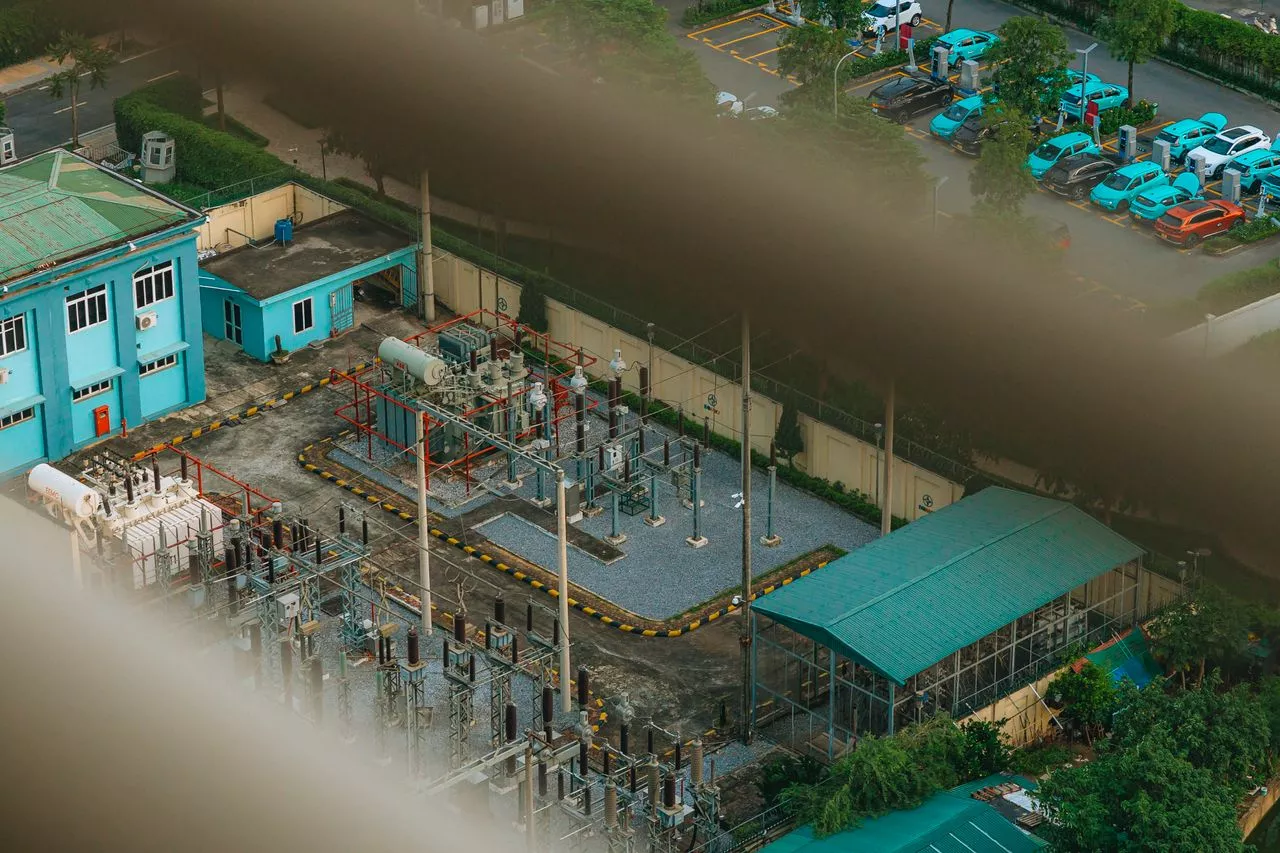
At Wren Hall, near Drax in Yorkshire, construction of the converter station has progressed considerably since the initial preparation and earthworks began. The site has moved into a major construction phase, with foundations, concrete structures and permanent station buildings increasingly taking shape. These facilities will form an essential part of the infrastructure required to convert and manage electricity for transmission through the HVDC network.
The converter station will play a central role in connecting the underground and subsea transmission infrastructure with the existing electricity network. As construction continues, the development of permanent buildings and associated facilities is bringing the project closer to the stage when major electrical equipment can be installed and integrated into the wider system.
Significant progress has also been recorded at Peterhead in Aberdeenshire, where construction teams have moved from preparing the large platform for the converter station to developing its permanent facilities. The steel framework for the first converter building has been completed, alongside the first alternating current hall. Concrete construction work for both transformer buildings has also been finished, while cladding activities continue across the site.
In addition to the main building works, engineers have completed horizontal directional drilling beneath the U66 road. The operation enabled the installation of ducts required for the project’s new 400-kilovolt (kV) cable infrastructure. This approach allows underground connections to be installed beneath existing roads while limiting disruption to surrounding areas.
Beyond the converter station developments, construction activity is continuing along the project’s extensive onshore cable route in Yorkshire. Almost 70 kilometres of land are being prepared for the installation of underground electricity cables. Since enabling works started in August 2025, contractors have installed more than 25 kilometres of haul roads and completed over eight kilometres of trenching.
Nine horizontal directional drilling operations have also been carried out along the route. These activities form part of the wider engineering programme required to prepare the land for cable installation and establish connections between different sections of the transmission system. Additional work includes archaeological investigations, drainage improvements and environmental activities designed to support construction while addressing local site conditions.
The onshore cable route requires detailed planning and coordination because it passes through different landscapes and areas with varying ground conditions. Construction teams must prepare access routes, establish suitable working areas and complete the necessary excavation and drilling before the electrical cables can be installed. These activities are being undertaken alongside environmental and land-management measures throughout the project corridor.
Work is also progressing to connect the onshore and offshore sections of EGL2. Horizontal directional drilling has been completed at Sandford Bay in Peterhead, while similar operations are underway at Fraisthorpe near Bridlington. These connections are important for bringing together the underground and subsea cable infrastructure and establishing a continuous transmission route between Scotland and England.
Meanwhile, manufacturing activities are continuing away from the main construction locations. Production of the specialist HVDC cables and associated electrical equipment is progressing to support the installation and commissioning stages. The manufacturing programme is a major component of EGL2 because the project requires specialised technology capable of transporting large volumes of electricity over long distances, including beneath the sea.
The scale of construction is also reflected in the workforce supporting the development. Approximately three million working hours have now been completed across EGL2, with hundreds of people contributing to activities at construction sites and throughout the wider supply chain.
National Grid Electricity Transmission and SSEN Transmission have highlighted health, safety and employee wellbeing as important priorities throughout the programme. The companies are working with contractors, suppliers and other project partners to maintain safety standards while coordinating the extensive construction activities required across multiple locations.
Alongside infrastructure development, EGL2 is generating economic opportunities for communities along its route. The project is supporting employment, creating opportunities for local suppliers and placing millions of pounds worth of contracts with businesses in the areas where construction is taking place. Community initiatives are also being supported as the project progresses, reflecting the companies’ engagement with locations affected by the construction programme.
Neil Lyons, EGL2 Deputy Project Director at National Grid, said the transformation at Wren Hall over the past two years had been substantial. He noted that the site had progressed from initial preparation and earthworks to the development of permanent converter station structures.
Lyons also highlighted the progress being made along the Yorkshire cable route as teams prepare for the installation of the electricity cables. He credited collaboration between project employees, supply chain partners, local businesses and communities for supporting the programme’s achievements.
He said reaching three million working hours was an important milestone and expressed satisfaction that the project had maintained a strong focus on health, safety and wellbeing. Although significant construction work remains, he said the development was becoming increasingly visible after two years of activity.
Fionán Doonan, EGL2 Project Director at SSEN Transmission, also highlighted the transformation at Peterhead. He explained that construction had moved from preparing the site to building the permanent converter station facilities, with major structures now taking shape.
Doonan said the progress at Peterhead represented only one part of the wider construction programme. He pointed to developments at both converter stations, the onshore and subsea cable routes and the manufacturing of specialised electrical equipment as important elements of the project’s delivery.
He added that maintaining construction momentum, prioritising safety and working responsibly with surrounding communities would remain essential as EGL2 moves into its next development phase.
Once completed, Eastern Green Link 2 will strengthen the electricity transmission network connecting Scotland and England. The project is intended to help transport increasing volumes of renewable electricity from generation areas to locations where demand is growing, supporting households, businesses and public services.
By providing 2 GW of transmission capacity, the link will contribute to improving the ability of the electricity network to move power over long distances. Its subsea and underground infrastructure will provide an additional route for transferring electricity between the two countries and supporting the wider development of the UK’s energy system.
Further work remains, including continued construction at both converter stations, underground and subsea cable installation, equipment integration and the completion of connections across the transmission route. The two-year construction anniversary therefore represents an important stage in the delivery of the £4.3 billion project, with substantial engineering and installation activities still ahead.
As construction advances, National Grid Electricity Transmission and SSEN Transmission will continue working with contractors, suppliers and local communities to deliver the infrastructure. EGL2 is expected to become a major component of the UK’s electricity transmission network, helping accommodate renewable generation and supporting the country’s evolving electricity requirements.
Source Link: https://www.nationalgrid.com/