

Neoenergia and EIB Invest BRL 857 Million to Modernise Brazil’s Electricity Grids
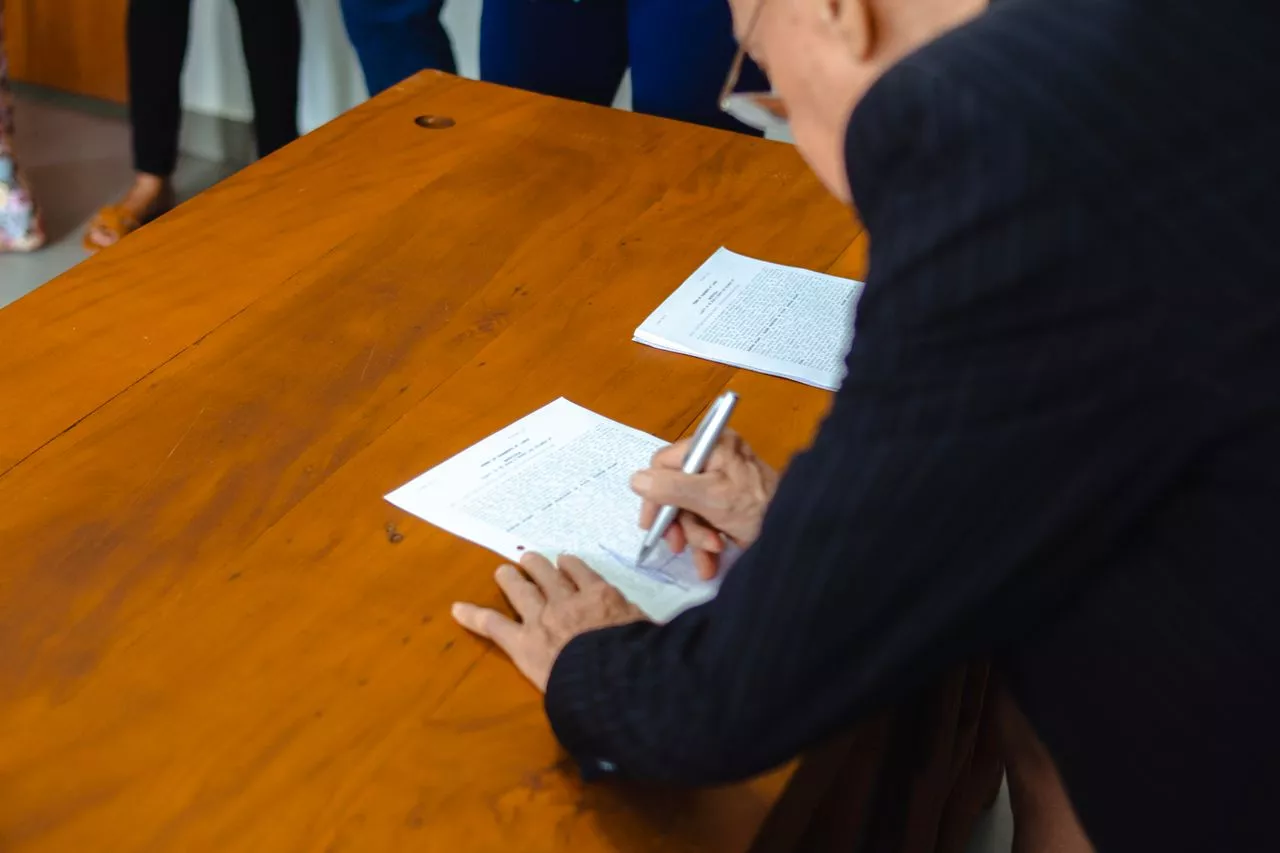
Neoenergia, a subsidiary of Spain-based Iberdrola Group, and the European Investment Bank (EIB) have signed a green financing agreement worth R$857 million to expand and modernise electricity distribution infrastructure in Brazil. The financing, provided through EIB Global and guaranteed by Spanish export credit agency Cesce, will support investments in electricity networks operated by Neoenergia Elektro in São Paulo and Mato Grosso do Sul.
The agreement marks the second financing arrangement between Neoenergia and the EIB in less than a year, reinforcing their cooperation on sustainable energy infrastructure. The investment programme is designed to improve electricity distribution reliability, increase network capacity, strengthen resilience against extreme weather events and facilitate new connections for households and renewable energy generators.
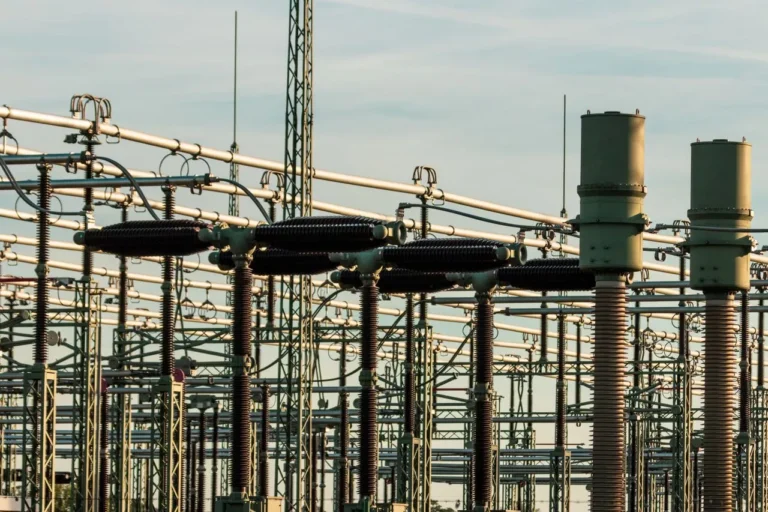
The financing will support the refurbishment and modernisation of distribution lines, electrical substations, control and protection systems, and grid automation equipment. It will also fund measures to reduce technical electricity losses, helping improve operational efficiency and the overall performance of Neoenergia Elektro’s distribution network.
Modernising Brazil’s Electricity Distribution Infrastructure
The investment comes as Brazil continues to strengthen its electricity infrastructure to accommodate growing energy demand and accelerate the transition towards a lower-carbon economy. Modern distribution networks are essential for integrating renewable energy generation, supporting electrification and ensuring reliable electricity supplies for residential, commercial and industrial customers.
Through the programme, Neoenergia Elektro will upgrade existing infrastructure and introduce improvements designed to increase network flexibility and operational performance. The modernisation work will also help the company connect new customers, including low-income households, while supporting renewable energy producers seeking access to the electricity distribution system.
Eduardo Capelastegui, CEO of Neoenergia, said the financing represents an important step in the company’s investment programme for Neoenergia Elektro. He highlighted the importance of accelerating distribution network improvements as electrification increases the need for modern, digital and resilient electricity infrastructure.
Capelastegui said the investment would reinforce Neoenergia’s commitment to preparing its networks for changing energy requirements while maintaining a focus on customer service. The company’s priorities include delivering increasingly reliable, efficient and high-quality electricity distribution services.
The financing will enable Neoenergia Elektro to advance its infrastructure development programme while addressing the technical requirements associated with a more interconnected and renewable-powered electricity system.
EIB Supports Reliable and Sustainable Energy Networks
The European Investment Bank views electricity network modernisation as a critical component of the green transition. Reliable and resilient distribution infrastructure is necessary to maintain secure energy supplies, integrate renewable generation and support economic development.
EIB Vice-President Ioannis Tsakiris said the financing would improve electricity supply quality for communities and businesses in São Paulo and Mato Grosso do Sul. He also emphasised the project’s contribution to renewable energy integration and Brazil’s long-term climate objectives.
According to Tsakiris, the operation reflects the European Union’s commitment to sustainable infrastructure investment and stronger international partnerships through its Global Gateway strategy.
The initiative will help strengthen the electricity distribution system while supporting Brazil’s efforts to develop an energy infrastructure capable of accommodating future demand. Improved grid capacity and automation will be particularly important as renewable energy generation expands and electricity consumption changes across residential, commercial and industrial sectors.
The project also demonstrates the role international financial institutions can play in mobilising long-term capital for infrastructure modernisation. Electricity distribution investments often require substantial upfront expenditure, while delivering benefits over extended operating periods.
By providing long-term financing, the EIB can help utilities implement capital-intensive infrastructure programmes while maintaining financial flexibility for other strategic investments.
Cesce Guarantee Supports Long-Term Investment
The R$857 million green loan is guaranteed by Cesce, Spain’s export credit agency, which supports international business development and investment through financial risk coverage.
Pablo de Ramón-Laca, CEO of Cesce, said the agency was pleased to support Neoenergia’s investment activities in Brazil. He described the project as an example of how cooperation between companies and international financial institutions can direct sustainable investment towards infrastructure that benefits local communities.
The partnership is expected to support economic growth, improve electricity services and facilitate the expansion of renewable energy.
The involvement of Cesce also strengthens the financial framework supporting the transaction, helping facilitate cooperation between European institutions and Brazilian energy companies.
The agreement illustrates how export credit agencies and development finance institutions can work together to support infrastructure projects that advance sustainability objectives while strengthening international commercial relationships.
Benefits for Neoenergia Elektro Customers
Neoenergia Elektro supplies electricity to more than three million customers across 223 municipalities in São Paulo and five municipalities in Mato Grosso do Sul.
Its distribution network plays an important role in delivering electricity to households, businesses and other electricity consumers across its concession area. Continued investment is required to maintain service quality, accommodate new connections and improve the network’s ability to respond to changing operating conditions.
The programme will focus on strengthening infrastructure, expanding automation and improving distribution efficiency. These measures are also intended to increase the network’s resilience to extreme weather events, which can disrupt electricity supplies and create additional operational challenges for distribution companies.
Modern control and protection systems can help utilities monitor network conditions, identify operational issues and manage electricity distribution more effectively. Grid automation can also support faster responses to faults and improve the coordination of network operations.
Reducing technical losses is another important objective. Electricity losses increase the amount of energy required to deliver a given quantity of electricity to customers. Infrastructure improvements can help distribution companies use network capacity more efficiently and reduce avoidable losses.
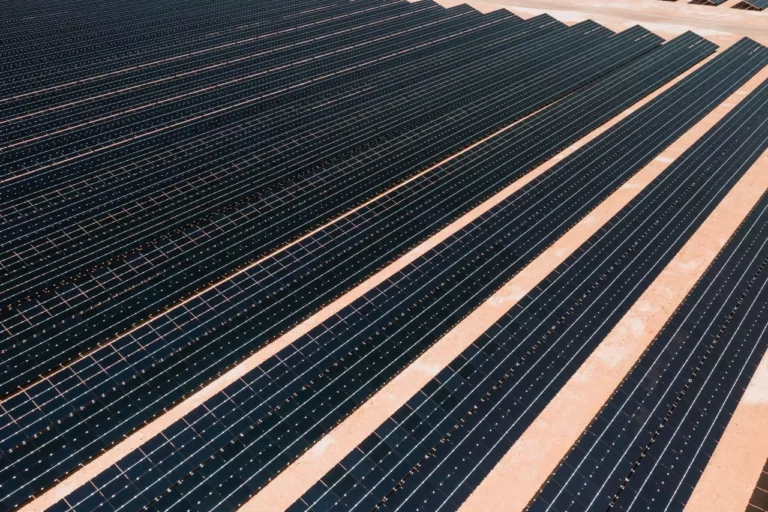
The investment will also facilitate the connection of additional renewable energy producers. As distributed generation expands, electricity networks must become more flexible to manage changing power flows and accommodate generation from sources such as solar energy.
Contribution to Brazil’s Long-Term Energy Strategy
The project supports Brazil’s Ten-Year Energy Expansion Plan, which identifies energy efficiency, network modernisation and renewable energy integration as important priorities for the country’s energy sector.
Strengthening distribution infrastructure can help create the conditions needed for continued renewable energy development while improving the reliability of electricity supplies. Greater network capacity and flexibility can also help accommodate future changes in electricity demand.
The investment is fully dedicated to climate action and aligns with the European Union’s Global Gateway Investment Agenda for Latin America and the Caribbean.
Global Gateway seeks to promote sustainable and resilient infrastructure while strengthening economic and strategic partnerships between the European Union and international partners.
Francisco André, European Union Ambassador to Brazil, said the investment demonstrates how the Global Gateway strategy is translating shared climate objectives into practical infrastructure projects.
He noted that modernising electricity grids in São Paulo and Mato Grosso do Sul would support a more reliable, resilient and inclusive energy system. The project is also expected to facilitate renewable energy integration and deliver benefits for communities and businesses.
In addition to its environmental objectives, the investment programme is expected to encourage greater participation by women in the energy sector. Potential areas of progress include technical positions, professional training and leadership opportunities.
Long-Term Financing for Electricity Grid Development
The EIB financing provides stable, long-term funding for Neoenergia Elektro’s capital-intensive infrastructure programme. The arrangement is expected to help the company manage financing requirements, reduce refinancing risk and attract complementary funding from commercial banks and capital markets.
Access to long-term capital is particularly important for electricity distribution companies because network improvements require significant investment before the resulting operational and service benefits are fully realised.
The agreement allows Neoenergia to continue advancing its infrastructure plans while supporting the wider modernisation of Brazil’s electricity sector.
Second Green Financing Agreement Between Neoenergia and EIB
The new agreement follows an earlier financing arrangement signed by Neoenergia and the EIB in November 2025 during the COP30 climate conference.
That agreement provided R$1.7 billion in green financing to modernise the electricity distribution network operated by Neoenergia Coelba in Bahia.
Neoenergia Coelba serves more than six million customers across 415 municipalities in the state. The earlier financing supported electricity network expansion, new customer connections and investments in automation equipment.
The transaction was granted on competitive commercial terms following technical and environmental assessments. It provided an opportunity for investment in infrastructure that met demanding international standards.
Together, the two agreements demonstrate the continued cooperation between Neoenergia and the EIB in supporting electricity network development in Brazil.
The latest R$857 million financing will help modernise distribution infrastructure in São Paulo and Mato Grosso do Sul, strengthen network reliability, facilitate renewable energy integration and advance climate-related investment objectives.
As Brazil continues developing its electricity system, investment in resilient distribution networks will remain important for meeting future demand, supporting economic activity and enabling the transition towards a more sustainable energy future.
Source Link: https://www.iberdrola.com/