

Kanadevia Advances Carbon Capture With World’s First Waste-to-Energy Demonstration Plant
Kanadevia Corporation (TOKYO: 7004) is advancing carbon capture technology for the waste-to-energy (WtE) sector through the development of an innovative waste incineration process designed to increase carbon dioxide (CO₂) concentrations in flue gas. The company plans to begin a demonstration of the technology in November 2026 at the Shinagawa Incineration Plant in Shinagawa City, Tokyo. The project represents a significant step toward integrating carbon capture and utilization capabilities into waste treatment facilities and improving the potential for decarbonization across the sector.
Since fiscal year 2024, Kanadevia has been developing High-CO₂-Concentration Waste Incineration Technology to separate and recover carbon dioxide from the exhaust gases produced during waste incineration. The demonstration project will test the technology at a pilot scale, with the longer-term objective of establishing a commercially viable solution for capturing CO₂ from waste-to-energy operations. The demonstration program is scheduled to continue through fiscal year 2030, allowing the company to evaluate the technology’s performance and progress toward practical commercial applications.
Demonstration Facility Installed in Tokyo
The demonstration facility has been installed on the premises of the Shinagawa Incineration Plant. It consists of an incinerator capable of processing two tons of waste per day and an integrated system designed to separate and capture carbon dioxide from the resulting flue gas.
The facility will enable Kanadevia to evaluate how the technology performs under waste incineration conditions while producing flue gas with a higher concentration of CO₂ than conventional systems. The demonstration is intended to establish the operational capabilities needed to support the future commercialization of the technology.
A central feature of the process is the replacement of conventional combustion air with oxygen and recirculated flue gas. This approach increases the concentration of carbon dioxide in the exhaust stream to several times the level typically achieved through conventional waste incineration.
By concentrating CO₂ before it reaches the separation and capture equipment, the technology is designed to make the carbon recovery process more efficient. The demonstration will provide an opportunity to assess the process at a larger scale than laboratory testing and support further development toward commercial deployment.
The project also addresses a key challenge facing waste-to-energy facilities seeking to reduce their carbon emissions: recovering CO₂ from relatively dilute flue gas without requiring excessively large capture systems or additional processing capacity.
Increasing Carbon Dioxide Concentration to Improve Capture
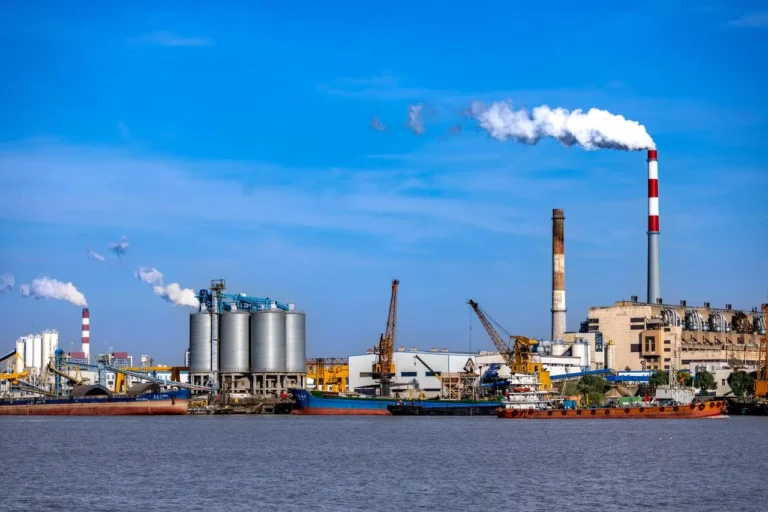
Waste-to-energy plants traditionally use the heat generated by burning municipal and other waste to produce electricity or support other energy applications. However, the combustion process also generates flue gas containing carbon dioxide, which is generally released into the atmosphere rather than separated and recovered.
According to Kanadevia, conventional waste incineration systems typically produce flue gas containing approximately 8% to 15% CO₂. The relatively low concentration presents a technical challenge for carbon capture because the separation process must handle substantial quantities of exhaust gas to recover the targeted amount of carbon dioxide.
Kanadevia’s new technology aims to increase the CO₂ concentration in flue gas to approximately 30% to 60%. Raising the concentration is expected to improve the efficiency of subsequent separation and capture processes, regardless of the specific capture method employed.
The approach could provide operational advantages for waste-to-energy facilities considering carbon capture investments. Rather than treating large volumes of relatively dilute exhaust gas, capture equipment could process a smaller stream containing a greater proportion of carbon dioxide.
Compared with conventional waste combustion technology, Kanadevia expects its process to reduce the volume of flue gas sent to the CO₂ separation and capture system to only a fraction of the conventional level. This reduction could also decrease the physical space required for carbon capture equipment.
Space requirements are an important consideration when integrating additional processing systems into existing waste treatment facilities. By reducing the volume of gas requiring treatment, the technology could help make carbon capture installations more practical for sites where available space is limited.
The company will use the demonstration program to advance the technology and evaluate its suitability for future commercial applications in the waste-to-energy industry.
Laboratory Tests Demonstrate High Recovery Performance
Kanadevia has already achieved encouraging results during laboratory-scale testing of its High-CO₂-Concentration Waste Incineration Technology. The tests demonstrated a carbon dioxide recovery rate exceeding 90%, alongside CO₂ purity greater than 95%.
These results provide an initial indication of the technology’s potential to recover carbon dioxide efficiently while producing a relatively pure captured stream. However, demonstrating similar performance consistently under practical operating conditions will be an important step in determining the technology’s commercial readiness.
The project’s ultimate objective is to achieve a stable CO₂ capture rate exceeding 90% from the enriched flue gas. The demonstration facility will support further evaluation of the process as development progresses toward that target.
Maintaining a high recovery rate could be important for waste-to-energy operators seeking to capture a substantial proportion of the carbon dioxide generated during incineration. At the same time, the concentration and purity of the recovered CO₂ may influence the options available for its subsequent handling, transportation and utilization.
The demonstration period through fiscal year 2030 will provide an extended timeframe for developing and evaluating the technology. The work is intended to help establish the technical basis for commercial implementation rather than relying solely on laboratory results.
Supporting Carbon Circularity in Waste-to-Energy Operations
The proposed technology could expand the role of waste-to-energy facilities beyond waste treatment and electricity generation by enabling them to recover carbon dioxide as a usable resource.
Once commercialized, the process is expected to allow operators to capture CO₂ generated during waste incineration and direct it toward potential applications. Captured carbon dioxide could be liquefied or used as a feedstock for methanation, a process that can produce methane by reacting carbon dioxide with hydrogen under suitable conditions.
These potential applications could create additional pathways for managing recovered carbon dioxide and integrating waste-to-energy operations into broader carbon utilization systems. The technology could therefore add a carbon circularity function to facilities that currently focus primarily on waste processing and energy recovery.
Under this model, waste-to-energy plants would continue generating electricity from the heat produced during incineration while also recovering carbon dioxide for potential reuse. This combination could help support the development of facilities designed to manage waste, produce energy and recover carbon resources within a single operational framework.
The actual environmental benefits would depend on factors including the origin of the waste, the energy used by the capture process, the treatment and transportation of recovered CO₂, and its eventual application. Nevertheless, increasing the concentration of carbon dioxide before capture could provide an important technical advantage in developing integrated carbon recovery systems.
Advancing Commercialization Through 2030
Kanadevia’s demonstration project marks a development milestone in its efforts to improve carbon capture capabilities for the waste-to-energy industry. By combining oxygen-based combustion, recirculated flue gas and a dedicated CO₂ separation and capture system, the company aims to address the challenges associated with recovering carbon dioxide from conventional incineration exhaust.
The demonstration, scheduled to begin in November 2026 at the Shinagawa Incineration Plant, will evaluate the technology using a facility designed to process two tons of waste per day. The project will continue through fiscal year 2030 as Kanadevia works toward stable CO₂ capture rates exceeding 90% and prepares the technology for potential commercialization.
If successfully commercialized, the technology could provide waste-to-energy operators with another option for reducing emissions and recovering carbon dioxide for productive use. Its potential to reduce flue gas volumes and capture equipment requirements could also help address practical challenges associated with integrating carbon capture into waste treatment infrastructure.
Through this initiative, Kanadevia is seeking to establish a pathway for combining waste incineration, energy generation and carbon recovery, supporting the development of more resource-efficient waste-to-energy facilities.
Source Link: https://www.businesswire.com/