

Ameresco and Roseburg Sanitary Authority Complete $1M Solar-Plus-Storage Project
Ameresco, Inc. (NYSE: AMRC), an energy infrastructure company specializing in integrated energy solutions and infrastructure modernization, has announced the completion of a solar-plus-storage project at the main office of the Roseburg Urban Sanitary Authority (RUSA) in Oregon. The milestone was celebrated with RUSA employees and leadership, representatives from the Oregon Department of Energy and Energy Trust of Oregon, and elected officials. The $1 million project marks the first phase of a broader energy modernization program designed to improve resilience, sustainability, and cost efficiency across RUSA’s essential facilities.
The initiative focuses on strengthening energy performance at three key locations: RUSA’s main administrative office, wastewater treatment plant (WWTP), and natural treatment system (NTS). By integrating renewable energy generation with battery storage, the program aims to help the public utility reduce electricity costs, maintain critical operations during power disruptions, and support its long-term infrastructure requirements.
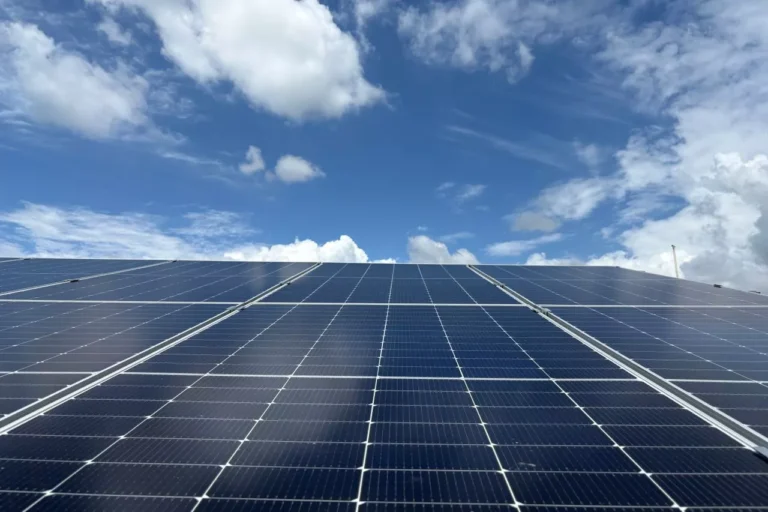
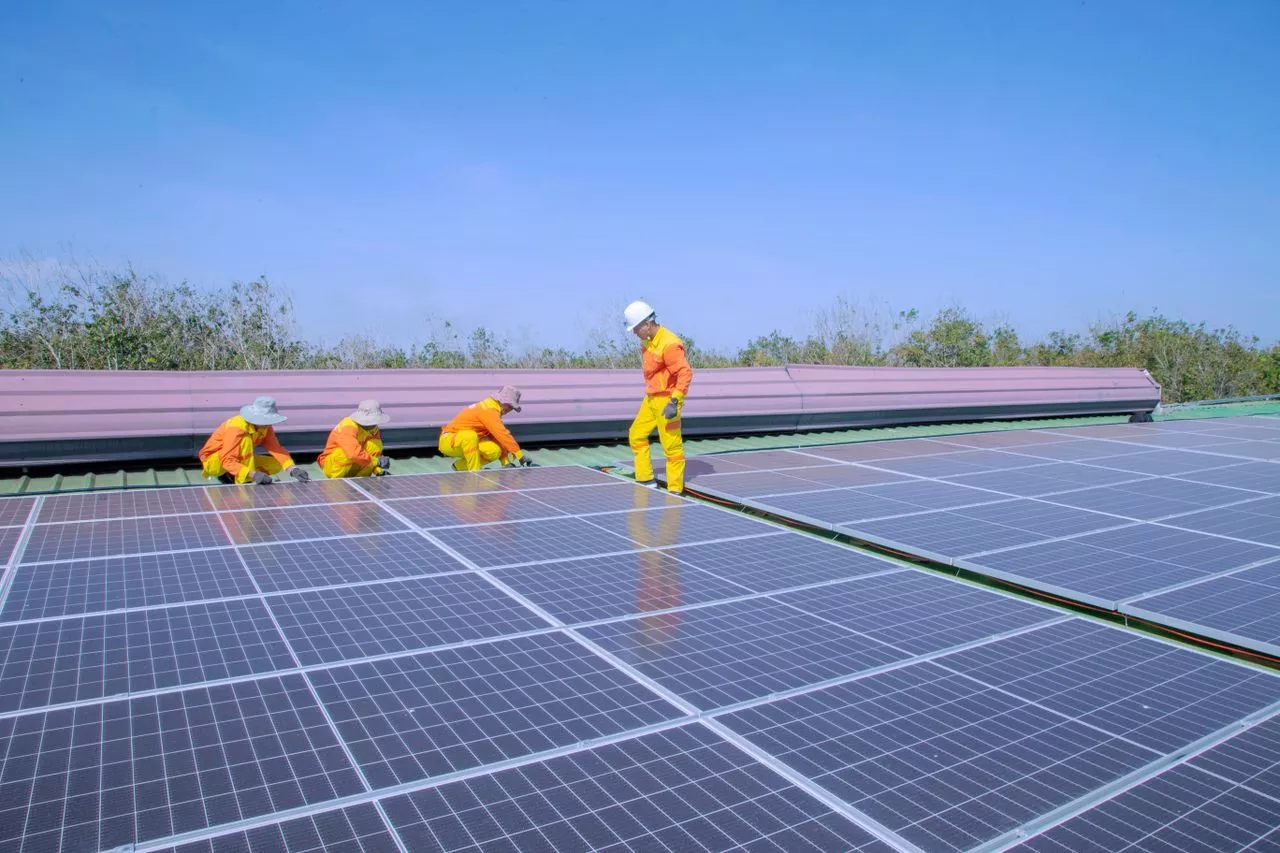
The completed installation at RUSA’s main office includes a 39.4-kilowatt direct-current (kWDC) solar photovoltaic system. The array is designed to generate approximately 51,580 kilowatt-hours of electricity annually, an amount expected to offset 100% of the main office’s electricity consumption. This renewable energy capacity represents an important step toward reducing the facility’s dependence on conventional grid electricity while improving its overall energy performance.
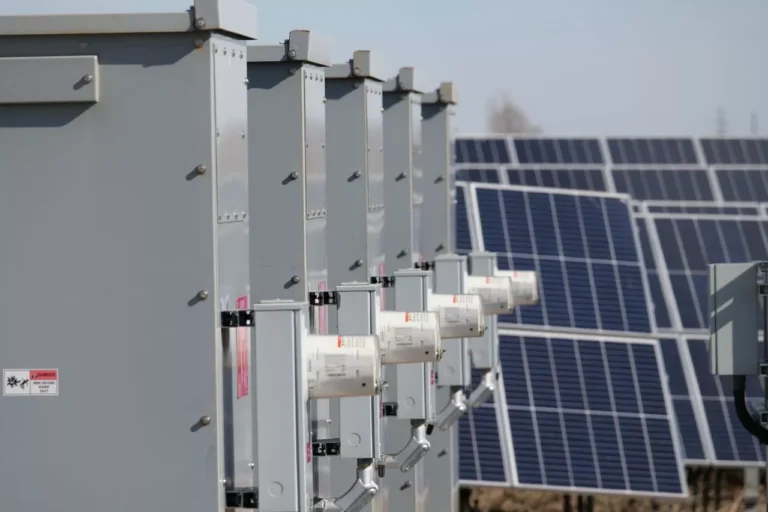
The solar installation is supported by an 184-kilowatt-hour battery energy storage system. The battery is designed to provide additional operational resilience by helping maintain essential administrative and operational functions during electricity interruptions. Combining solar generation with energy storage allows RUSA to make better use of renewable electricity while strengthening its ability to respond to potential disruptions in the power supply.
Reliable electricity is particularly important for public wastewater organizations, which must maintain essential services and support effective infrastructure management. Energy interruptions can create operational challenges for facilities responsible for treating wastewater and protecting community resources. By investing in renewable generation and storage, RUSA is taking steps to improve the reliability of its administrative operations while preparing for future energy requirements.
The first phase was made possible through several funding sources, including an $870,870 grant awarded through the Oregon Department of Energy’s Community Renewable Energy Program (C-REP). Additional support came from the Energy Trust of Oregon. These contributions helped advance the project and demonstrate how public agencies can combine government funding and energy-sector support to implement infrastructure improvements.
The funding arrangement also highlights the role of public investment programs in encouraging renewable energy adoption among local authorities. Projects that integrate solar power and battery storage can require significant upfront capital, particularly when they are designed to support essential public services. Grants and partnerships can help public organizations move forward with improvements that might otherwise be more difficult to finance.
RUSA’s wider energy initiative has also received recognition from regional water and wastewater industry organizations. The program earned two 2026 Best of the Best Awards from the Oregon Association of Clean Water Agencies (ORACWA). It also received the 2026 Excellence in Resource Recovery & Sustainability Award from the Pacific Northwest Clean Water Association (PNCWA).
These awards recognize the broader initiative’s significance within the clean water sector and highlight the importance of sustainability, resource management, and infrastructure modernization. For wastewater utilities, energy efficiency can be an important consideration because treatment processes and related operations require substantial electricity. Renewable energy investments may help these organizations manage operating expenses while advancing environmental objectives.
Beyond its energy and operational benefits, the initiative is intended to contribute to the local economy. Project implementation creates employment opportunities and encourages participation by businesses from underrepresented communities. This approach connects infrastructure investment with broader community development goals, helping ensure that the benefits of modernization extend beyond the facilities themselves.
Jim Baird, General Manager of RUSA, said the partnership with Ameresco is helping the authority modernize its facilities and protect the community’s long-term well-being. He emphasized that smarter energy use and investments in resilient infrastructure can support reliable wastewater management and help maintain services for customers during normal operations and critical situations.
The next phases of the program will expand solar generation to RUSA’s other major facilities. The second project is planned to include a 900-kilowatt ground-mounted solar photovoltaic system at the wastewater treatment plant. The third project will involve installing a 400-kilowatt floating solar photovoltaic system at the natural treatment system.
Together, these planned installations will add substantial renewable energy capacity to RUSA’s infrastructure portfolio. The projects are intended to extend the benefits of the initial installation beyond the main office and help address electricity demand at facilities central to wastewater treatment and natural treatment operations. Construction on the second and third projects is anticipated to begin in fall 2026.
The planned ground-mounted and floating solar systems also demonstrate how renewable energy installations can be adapted to different facility environments. Ground-mounted arrays can provide dedicated space for solar generation, while floating photovoltaic systems can make use of suitable water surfaces. The final performance and operational benefits of each installation will depend on site conditions, system design, and electricity consumption.
Louis Maltezos, Co-President of Ameresco, said wastewater treatment facilities require substantial amounts of energy, making initiatives such as RUSA’s important to the development of a more efficient energy future. He noted that collaboration between energy infrastructure providers and public organizations can demonstrate how forward-looking strategies may reduce emissions, control costs, and improve quality of life in the communities they serve.
Ameresco’s work with RUSA illustrates how public agencies can incorporate renewable energy technologies into essential infrastructure through phased investment. The combination of solar generation, battery storage, and planned capacity expansion offers a structured approach to improving energy performance while mai
Source Link: https://www.businesswire.com/