

Tigo Energy Supports Over 11 MW of Solar Repowering Projects
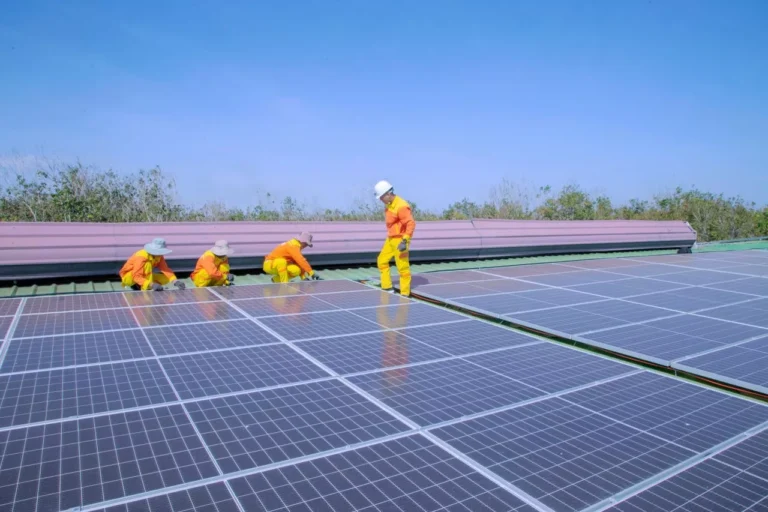
Tigo Energy, Inc. (NASDAQ: TYGO), a provider of intelligent solar and energy software solutions, has announced that its technology has helped support more than 11 megawatts (MW) of solar repowering projects. The milestone comes as demand increases for upgrades, replacement components, and maintenance services for aging residential solar installations. To help solar installers take advantage of this expanding market, the company has introduced a practical repowering business playbook and additional resources designed to support both business development and the technical execution of legacy solar system upgrades.
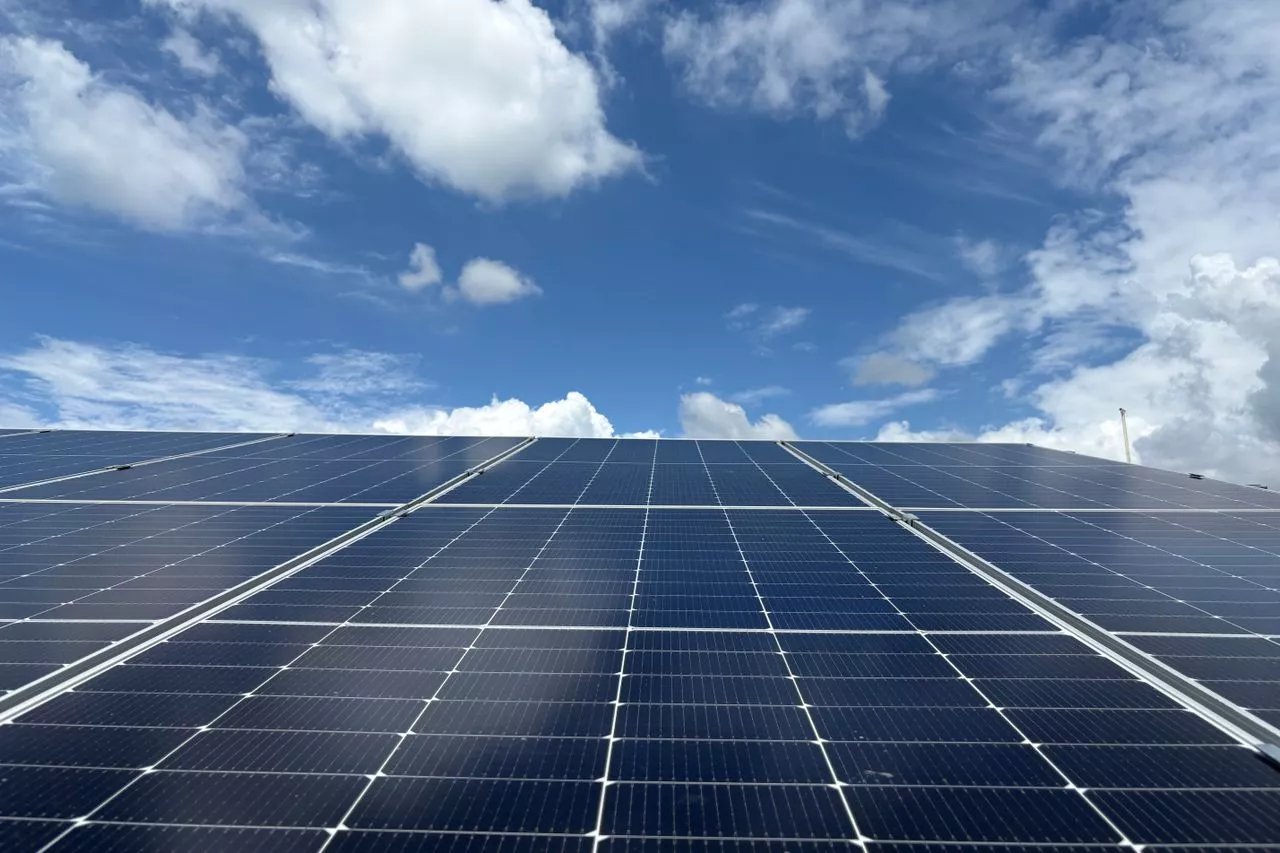
As residential solar installations age, homeowners increasingly need replacement equipment, system repairs, performance improvements, and other services to maintain reliable operation. These requirements are creating opportunities for installers to develop dedicated repowering services alongside their traditional installation businesses. Tigo aims to help installers respond to these needs through structured business guidance and technology designed to support equipment replacement across different solar system configurations.
The company’s Tigo Repowering Business Playbook provides a step-by-step framework for establishing and expanding a solar repowering business. Organized into four stages—Discover, Build, Sell, and Grow—the guide explains how installers can evaluate market potential, develop repeatable service offerings, identify suitable customers, and design solutions around homeowner requirements. It also outlines approaches for launching a repowering program and developing continuing service and upgrade opportunities.
By offering a structured process, the playbook is intended to help installers transform individual repair requests and aging-system service calls into a more organized, scalable business operation. Rather than treating every replacement project as an isolated assignment, installers can use the framework to identify recurring customer needs, standardize their services, and establish longer-term relationships with homeowners.
The resource also addresses the importance of qualifying projects before work begins. Evaluating an existing solar installation, understanding its technical limitations, and determining the appropriate replacement scope can help installers select suitable equipment and plan commissioning activities more efficiently. A consistent approach to these tasks can support customer communication, reduce avoidable complications, and help businesses manage repowering projects more effectively.
“The Playbook is designed to help installers develop a repeatable way to identify repowering opportunities, build the business, assess each site’s technical requirements, and get customers back online efficiently,” said James JD Dillon, chief marketing and customer experience officer at Tigo Energy.
Dillon explained that the guide complements the company’s replacement hardware and provides an opportunity for Tigo to work more closely with installers as the solar service market evolves. He also highlighted the development of repowering business models, pointing to the progress of customers such as Otovo as an example of the opportunities emerging in this area.
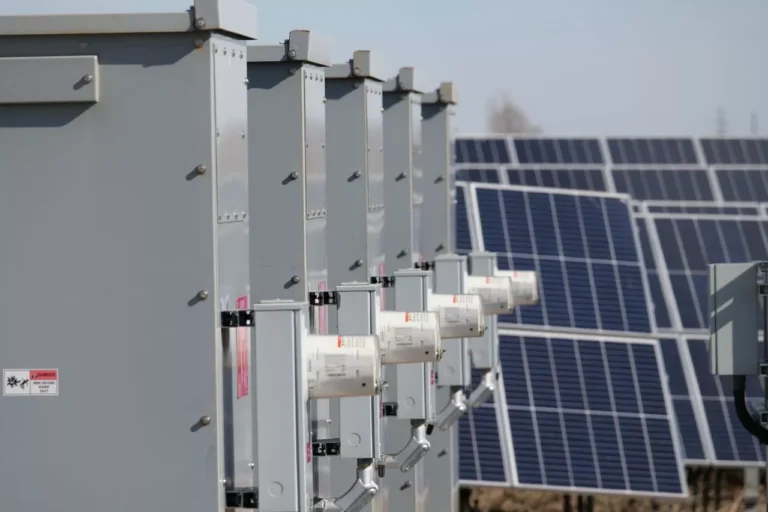
Tigo’s approach combines business development resources with inverter technology and module-level power electronics designed to support a range of solar applications. Its TS4 Flex module-level power electronics (MLPE) products and inverters provide an open architecture intended to support module-level optimization, system monitoring, and rapid shutdown. These capabilities can offer installers greater flexibility when servicing older installations, particularly when replacement equipment must operate alongside existing system components.
Legacy solar systems can present technical challenges because their original equipment, electrical configurations, and operating requirements may differ from those of newer installations. Replacement decisions therefore require careful assessment of system compatibility, voltage requirements, power ratings, and monitoring capabilities. Equipment that accommodates a variety of configurations can help installers address these differences while avoiding unnecessary changes to functioning components.
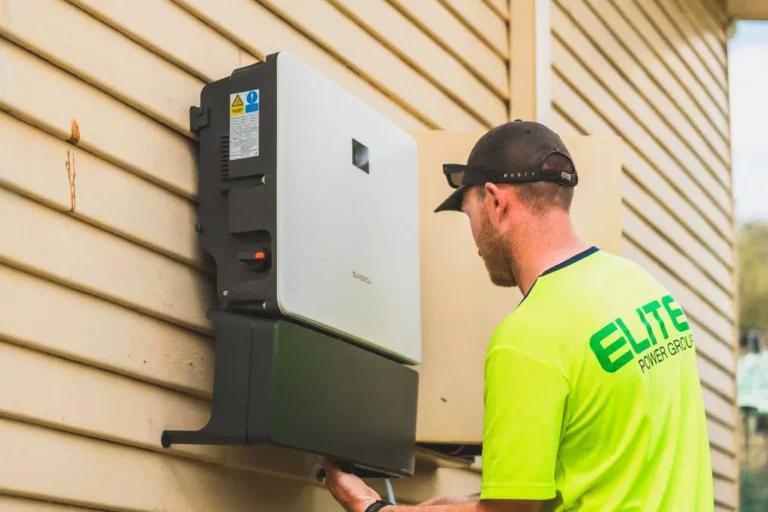
Tigo’s EI Inverter is designed with a wide operating voltage range and compact form factor, making it suitable for various repowering applications. These characteristics can help installers work within the constraints of existing installations, where available space and electrical specifications may influence equipment selection.
The company also offers Inverter Power Output Control (IPOC), a feature that allows installers to configure maximum alternating-current (AC) power output from supported options during commissioning through the Tigo EI App. This functionality can help align replacement equipment with the requirements of an existing installation.
Depending on the project’s design and applicable requirements, configurable output settings may help installers maintain the intended system rating while reducing the need for additional modifications. Together, the inverter, MLPE products, monitoring capabilities, and output-control features are intended to simplify aspects of equipment replacement and support more efficient project execution.
System monitoring is another important consideration when modernizing aging solar installations. Installers need appropriate visibility into system performance to assess operating conditions, verify commissioning results, and identify issues that could affect energy production. Module-level optimization and monitoring can provide useful information when evaluating system behavior and determining whether further maintenance or upgrades are necessary.
Rapid shutdown capabilities also remain relevant to solar system servicing and safety requirements. By incorporating these functions into its product offering, Tigo seeks to provide installers with technology that addresses operational needs while allowing flexibility across different system designs.
The company’s announcement reflects a broader opportunity for solar businesses to extend their services beyond new installations. As the installed residential solar base matures, repowering can provide a route to recurring customer engagement through inverter replacement, component upgrades, monitoring improvements, and related maintenance services. A defined business process, combined with appropriate technical tools, may help installers pursue this market more consistently.
Tigo plans to discuss these commercial and technical considerations in a Solar Power World webinar titled “Modernizing Aging Solar Systems: The Business and Technology of Repowering,” scheduled for October 15, 2026. The session is intended to provide installers with practical guidance on identifying potential projects, evaluating legacy systems, and determining suitable upgrade requirements.
Topics will include customer identification and qualification, assessment of existing system conditions, selection of the appropriate project scope, and technical issues associated with equipment compatibility and electrical requirements. The webinar will also address monitoring, commissioning, and documentation, which are important elements of completing repowering work and maintaining reliable system operation.
These considerations can help installers understand the steps involved in evaluating older solar installations before recommending replacement equipment. Establishing clear procedures for assessment, installation, and verification can also support consistent service delivery as businesses handle a growing number of projects.
Through its technology portfolio and new installer resources, Tigo Energy is seeking to help solar professionals respond to the changing needs of the residential solar market. The more than 11 MW of repowering projects supported by its technology demonstrates the company’s participation in this segment, while the playbook provides a framework for installers seeking to develop their own services.
As the market for aging-system upgrades continues to develop, installers may find opportunities to combine replacement hardware, monitoring solutions, and ongoing maintenance into a more comprehensive service offering. Tigo’s initiative brings together these commercial and technical elements to help solar businesses evaluate opportunities, manage project requirements, and serve homeowners whose existing installations need modernization.
Source Link: https://www.businesswire.com/