

Cargill Expands Renewable Electricity Portfolio With Wind and Solar Projects
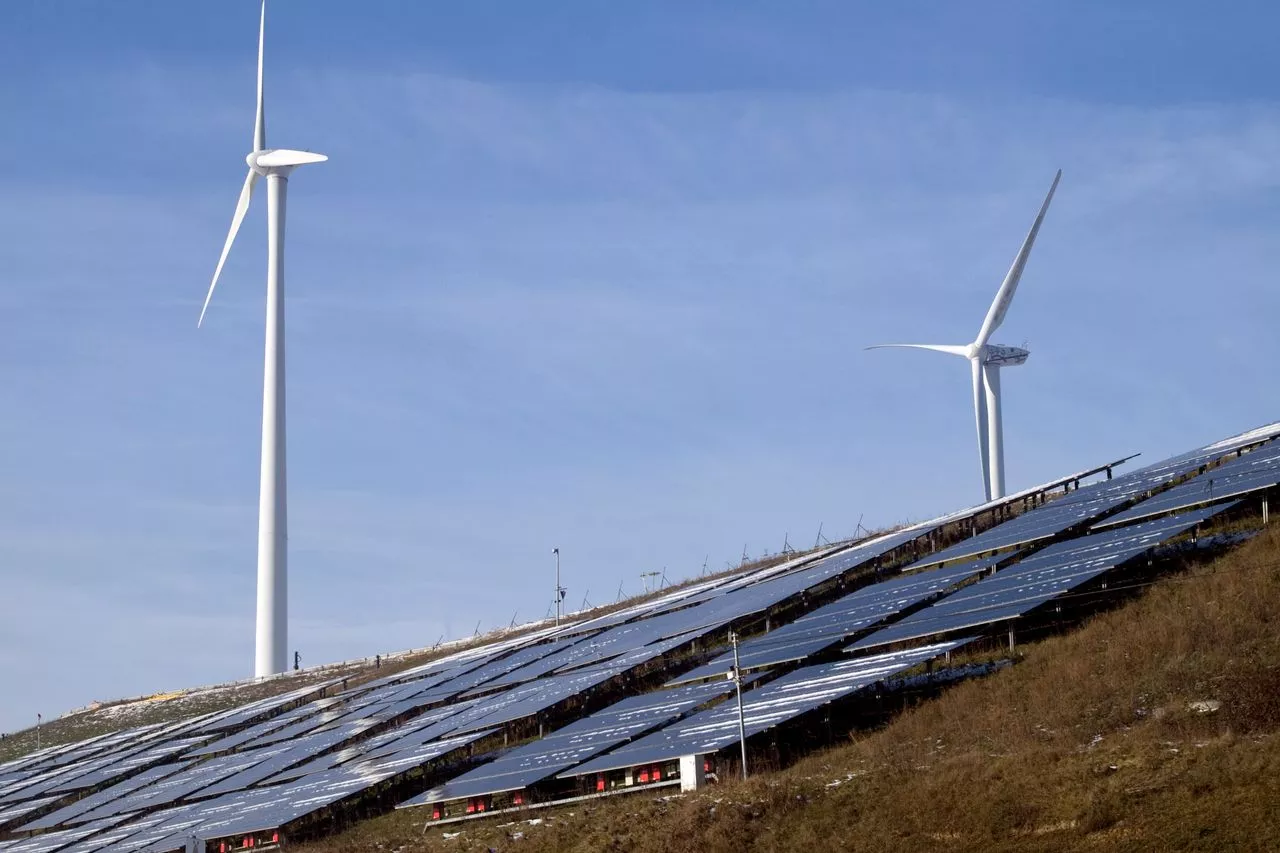
Cargill is expanding its renewable electricity portfolio in the United States through new wind and solar energy agreements in South Dakota and Oklahoma. The initiatives form part of the company’s broader efforts to reduce emissions associated with food production and processing while strengthening operational efficiency and supporting more resilient energy sourcing across its facilities.
The company has entered into a virtual power purchase agreement (VPPA) for 87 megawatts (MW) of wind power from the Sweetland Wind project in South Dakota. The agreement has a term of 12.6 years and is expected to support the generation of approximately 392,000 megawatt-hours (MWh) of renewable electricity annually. Cargill estimates that the agreement will help reduce approximately 162,000 metric tons of carbon dioxide equivalent (CO2e) emissions each year associated with its operations.
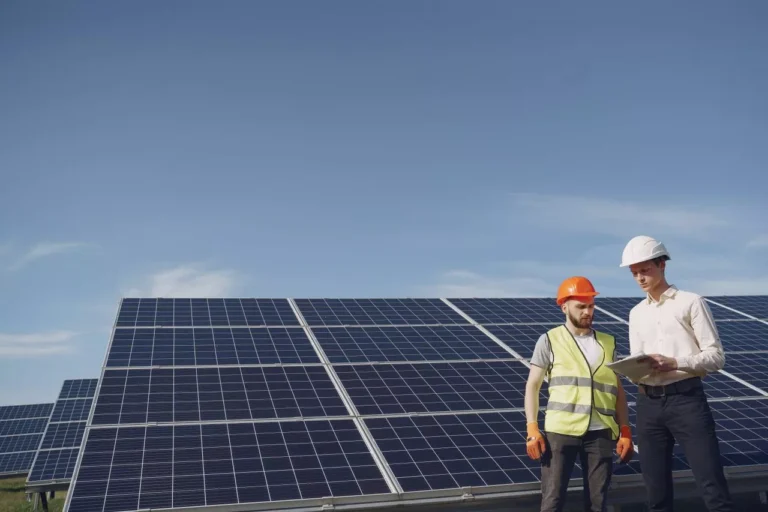
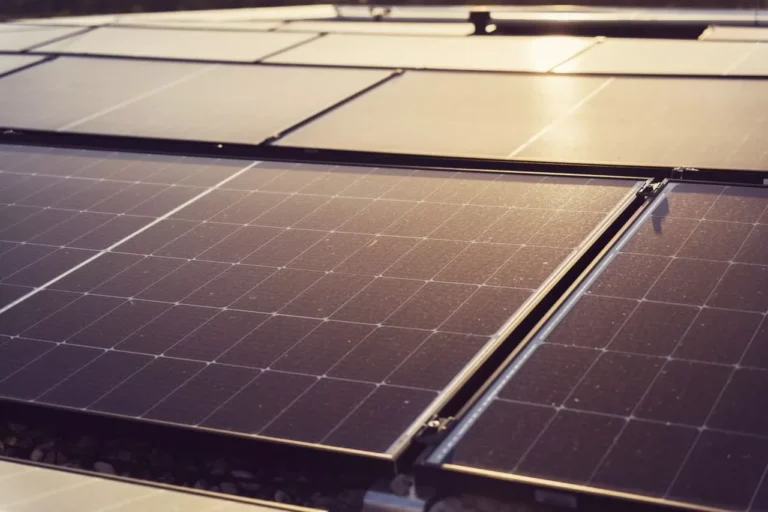
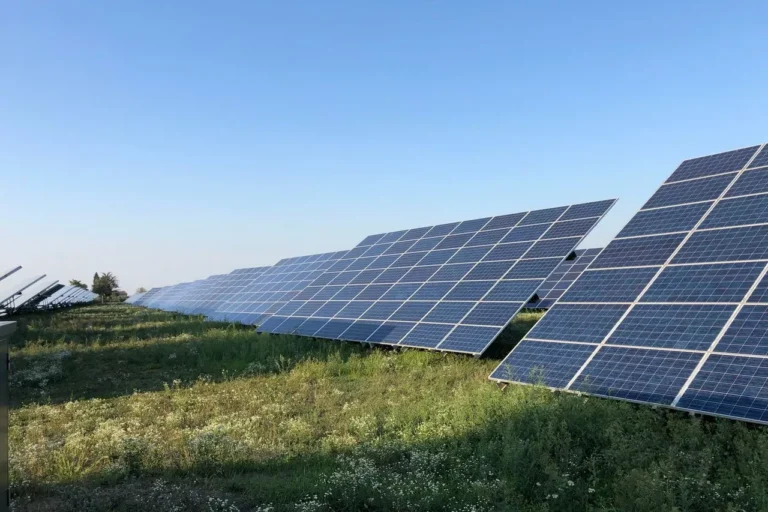
In addition to the South Dakota wind agreement, Cargill previously signed a long-term VPPA covering the entire output of the 85 MW Choctaw Fields Solar project in Oklahoma. The solar facility began commercial operations in August 2026 and is projected to deliver approximately 86,000 metric tons of CO2e emissions reductions annually over the agreement period. Across the lifetime of the contract, the project is expected to support emissions reductions totaling approximately 1.30 million metric tons of CO2e.
Together, the Sweetland Wind and Choctaw Fields Solar projects are expected to support approximately 3.3 million metric tons of emissions reductions over their respective contract terms. The agreements represent a significant addition to Cargill’s renewable electricity sourcing strategy and reinforce its focus on securing renewable energy in regions closely connected to its business operations.
Both projects are located within the Southwest Power Pool (SPP), a regional electricity grid that serves a substantial portion of the central United States. The region includes states where Cargill operates major facilities involved in producing and processing beef, sweeteners, feed ingredients and other products. Locating renewable electricity investments within this regional grid enables the company to align its energy procurement with areas where it maintains a significant operational presence.
Cargill’s approach also reflects the growing importance of emissions reductions throughout industrial and agricultural supply chains. Electricity consumption at food processing and manufacturing facilities contributes to the environmental footprint of the products those facilities produce. By supporting renewable electricity generation within the same regional grid as its operations, Cargill aims to address part of that footprint while helping customers make progress toward their own climate objectives.
“Our customers are looking for ways to reduce emissions from the products they source from us, and we’re partnering closely with them to support their goals,” said Christina Yagjian, senior director of global renewable energy at Cargill. She explained that expanding renewable electricity procurement in regions where the company operates helps connect energy sourcing more directly with the products and ingredients supplied to customers.
Yagjian added that Cargill continues to collaborate with renewable energy developers to identify practical and creative opportunities to expand its portfolio. The company is pursuing these opportunities in a complex and competitive energy market, where dependable electricity supplies and operational resilience remain important considerations alongside emissions reduction.
Virtual power purchase agreements are financial contracts designed to support renewable energy development. Under these arrangements, electricity generated by a wind or solar facility is delivered to the regional grid rather than directly to the purchasing company’s facilities. The company receives the environmental attributes associated with the contracted renewable generation, helping it account for renewable electricity procurement and its related environmental benefits.
Cargill uses VPPAs as one component of a broader strategy for managing energy consumption, reducing emissions and supporting operational resilience. These agreements allow the company to support renewable electricity projects while maintaining its existing electricity supply arrangements at individual facilities.
The latest agreements build on Cargill’s established renewable energy activities across North America and international markets. Its renewable electricity portfolio includes six VPPAs in North America and more than 100 projects across 30 countries. Through these initiatives, the company continues to identify opportunities to increase renewable electricity sourcing in markets where its production, processing and other business operations are concentrated.
The renewable electricity expansion also supports Cargill’s wider climate strategy, which includes a target to reduce absolute Scope 1 and Scope 2 greenhouse gas emissions by 25% by 2035, compared with a 2020 baseline. Scope 1 emissions generally arise directly from sources owned or controlled by a company, while Scope 2 emissions are associated with purchased electricity, steam, heating and cooling.
Renewable electricity procurement can contribute to Scope 2 emissions reductions by supporting generation from sources such as wind and solar. Cargill is also pursuing additional measures to improve the energy performance of its operations, recognizing that renewable electricity agreements are only one part of its overall emissions reduction strategy.
Other initiatives include energy efficiency improvements, onsite energy generation and operational changes designed to reduce energy consumption and improve how facilities produce and use power. By combining these approaches with long-term renewable electricity agreements, the company aims to advance its climate commitments while maintaining reliable energy supplies for its global operations.
As food and agricultural supply chains face increasing pressure to reduce their environmental impact, Cargill’s investments demonstrate how renewable electricity procurement can support both corporate emissions targets and customer sustainability priorities. The Sweetland Wind and Choctaw Fields Solar agreements extend the company’s renewable energy presence in the central United States, strengthening its efforts to integrate cleaner electricity into the production and processing of food, agricultural commodities and ingredients.
Through continued collaboration with energy developers and a focus on regional opportunities, Cargill plans to pursue additional renewable electricity projects that align with its operational needs and long-term environmental objectives.
Source Link: https://www.businesswire.com/