

Neoenergia Expands Solar Access in Brazil
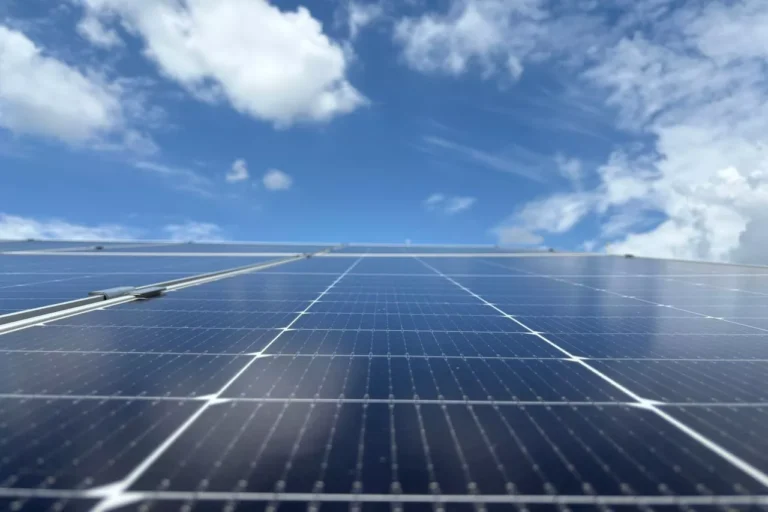
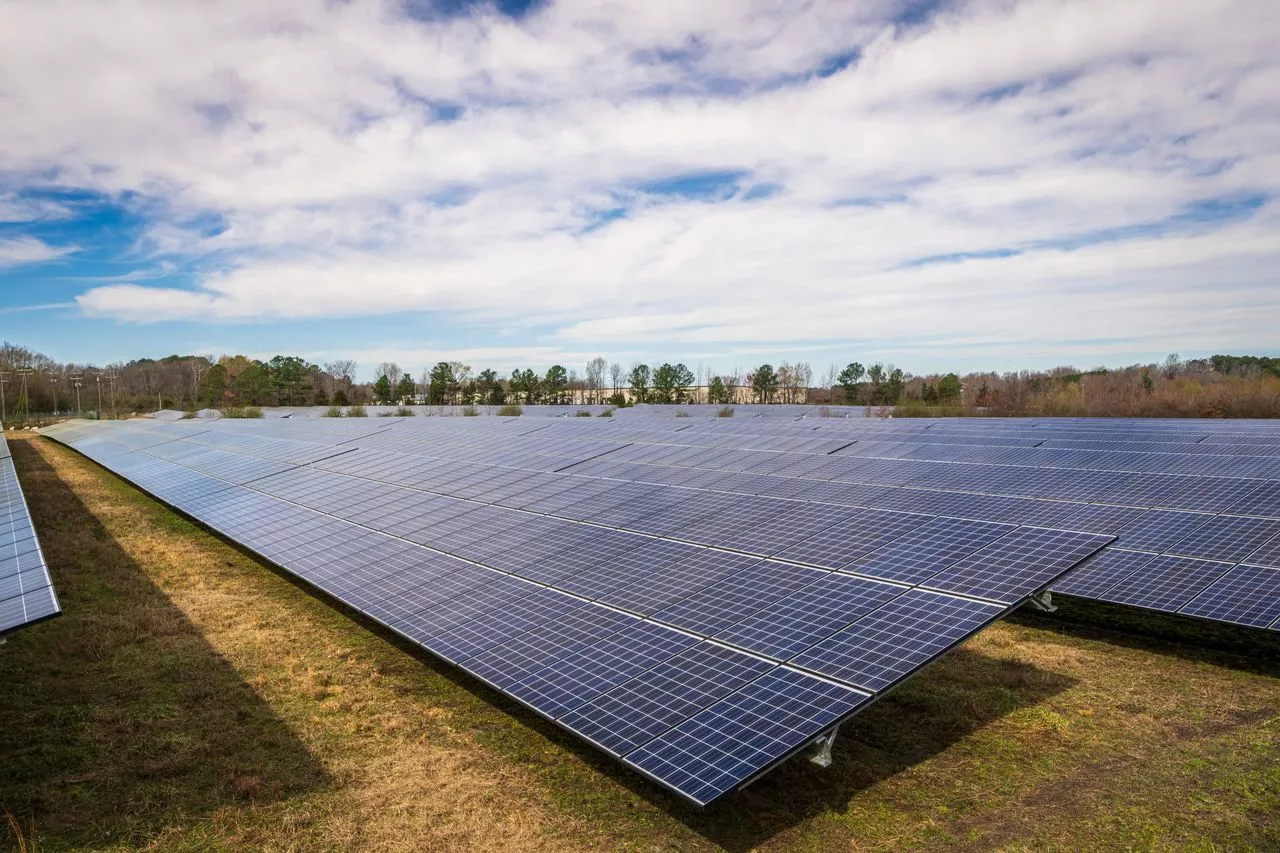
Neoenergia Elektro, a Brazilian electricity distribution company and subsidiary of the Iberdrola Group’s Neoenergia, has expanded access to solar power for vulnerable communities through the installation of 202 photovoltaic systems during the first seven months of the year.
Between January and July, the company installed solar generation systems at educational centres, hospitals, health centres and the homes of low-income families. The initiative is expected to benefit more than 83,500 people across the communities served by Neoenergia Elektro.
The programme represents an investment of approximately €480,000 and has added a combined installed generation capacity of 605.8 kilowatt-peak (kWp). According to the company, the electricity produced by the new solar installations is equivalent to the annual consumption of as many as 370 properties.
The project forms part of Neoenergia Elektro’s Energy Efficiency Programme, which operates under the regulatory framework established by Brazil’s National Electric Energy Agency, known as ANEEL. Through the programme, the company is combining investments in energy efficiency with the deployment of distributed renewable generation.
The initiative is designed to extend the benefits of solar energy beyond conventional generation projects by placing photovoltaic systems directly at facilities and residences that can benefit from lower energy consumption and access to cleaner electricity.
Solar installations have been deployed across different types of community facilities. Educational centres are among the beneficiaries, allowing schools and other learning environments to incorporate renewable generation into their energy infrastructure. Healthcare facilities, including hospitals and health centres, have also received systems, while selected low-income households are benefiting directly from solar power generation.
By installing photovoltaic systems close to where electricity is consumed, distributed generation can reduce dependence on electricity supplied exclusively through the conventional grid. The systems also provide participating facilities and families with an opportunity to use renewable energy as part of their everyday electricity consumption.
The 605.8 kWp of new capacity represents the cumulative output potential of the systems installed during the January-to-July period. Neoenergia said the resulting generation can meet the equivalent electricity demand of up to 370 properties over a year.
Beyond the physical installation of solar panels and associated equipment, the programme incorporates an educational component focused on energy efficiency. Beneficiary families will receive guidance and training on conscious energy consumption, with the objective of encouraging more efficient and responsible use of electricity.
The training is intended to complement the investment in renewable generation. While solar systems can generate electricity from sunlight, energy efficiency measures can help households and institutions reduce unnecessary consumption and make better use of the electricity available to them.
For low-income families in particular, greater awareness of electricity use can provide practical information about how everyday activities and appliances influence household consumption. The programme therefore combines renewable energy infrastructure with information designed to encourage longer-term changes in energy-use practices.
The initiative also reflects the broader role that electricity distributors can play in Brazil’s energy transition. While large-scale renewable projects contribute electricity to the national system, distributed solar generation provides another route for increasing renewable capacity at the point of consumption.
Brazil has significant solar resources, and photovoltaic technology has become an increasingly important component of the country’s renewable energy landscape. Projects that install solar systems in homes and public or community facilities can contribute to the diversification of electricity generation while supporting local energy-efficiency objectives.
For Neoenergia, the programme is also linked to its wider sustainability strategy. The company said the initiative supports its commitments to the energy transition, emissions reduction and the creation of social value in the communities where it operates.
The social dimension is particularly relevant to the programme because its beneficiaries include both public-service facilities and families in vulnerable economic circumstances. By directing solar installations toward locations such as schools, healthcare facilities and low-income homes, the initiative connects renewable-energy deployment with community infrastructure and social needs.
The installations may also demonstrate how renewable technologies can be incorporated into facilities that provide essential services. Educational and healthcare buildings have regular electricity requirements, making energy management an important consideration for their operators. Solar generation can provide an additional source of electricity while supporting efforts to improve the efficiency of these facilities.
Neoenergia Elektro’s project illustrates a model in which energy-efficiency programmes can combine infrastructure investment, renewable generation and consumer education. Rather than focusing solely on adding generation capacity, the initiative incorporates measures intended to influence how electricity is produced and consumed.
The €480,000 investment and 605.8 kWp of installed capacity represent the programme’s activity during the first seven months of the year. The company estimates that the resulting generation can correspond to the annual electricity needs of up to 370 properties, while the wider programme has reached more than 83,500 people through the participating facilities and households.
As the energy sector continues to incorporate higher shares of renewable generation, initiatives focused on distributed solar power are becoming part of broader efforts to improve energy efficiency and expand access to cleaner electricity. For communities, the combination of photovoltaic generation and energy-use education can provide both infrastructure and practical knowledge.
Neoenergia Elektro’s latest installations therefore bring together two elements of the energy transition: increasing renewable electricity generation and promoting more efficient consumption. Through its Energy Efficiency Programme, regulated by ANEEL, the company is using solar technology in community facilities and vulnerable households while providing beneficiaries with information on responsible energy use.
The programme forms part of Neoenergia and Iberdrola’s stated efforts to support emissions reduction and the transition toward cleaner energy systems. By directing investment toward schools, healthcare facilities and low-income households, the initiative also links renewable-energy deployment with community-focused objectives across the areas served by Neoenergia Elektro.
Source Link: https://www.iberdrola.com/